Introduction: Why This News Matters for Every Restaurant Owner in India
The Indian restaurant industry is experiencing a major shift. Zomato is reportedly in the final stages of discussions with the National Restaurant Association of India (NRAI) about giving restaurant partners greater access to customer data—and Swiggy is also in similar conversations. For years, restaurants across India—from neighbourhood cafés in Delhi to high-volume cloud kitchens in Bangalore—have demanded transparency and access to valuable customer insights held by food delivery platforms.
2024-11-19T060944Z_1785096639_RC258BAOB10G_RTRMADP_3_ZOMATO-OUTLOOK
If these talks succeed, restaurant owners may finally gain access to the kind of data that can dramatically improve marketing, menu engineering, guest experience, and profitability. In our coaching work at RestaurantCoach.in, we’ve seen how even limited access to customer insights can transform a struggling outlet into a growing, profitable brand.
This development could reshape the balance of power in India’s food delivery ecosystem. For restaurant owners and food entrepreneurs, understanding what’s coming—and preparing for it—can be the difference between falling behind and becoming an industry leader.
News Summary: What’s Actually Happening?
Zomato is in advanced discussions with the NRAI to create a structured framework for sharing customer data with restaurants. Swiggy is also engaged in its own negotiations. This conversation has been ongoing for years, but recent developments indicate meaningful progress.
Here’s what’s driving the talks:
1. Restaurants Want Transparency
Restaurants have argued that they don’t receive enough visibility into customer behaviour despite being the ones preparing and delivering the food. Platforms hold data such as:
Ordering frequency
Customer lifetime value
Preferred dishes
Delivery times and satisfaction
Geographic clustering
Restaurants believe they should have access to this information because it directly impacts their operations and growth strategies.
2. NRAI Has Been Advocating for Policy-Level Change
For years, NRAI has pushed for a more balanced relationship between restaurants and food delivery aggregators. They want:
Clear guidelines on platform commissions
Fair practices for listing and visibility
Greater autonomy for restaurants
Access to customer data for genuine business improvement
These ongoing discussions align with broader industry trends and the growing maturity of India’s food delivery sector.
3. Platforms Are Realising the Need for Collaboration
Zomato and Swiggy now understand that stronger partnerships with restaurants can boost long-term sustainability. Sharing data—within privacy and regulatory limits—can improve:
Restaurant performance
Customer satisfaction
Delivery efficiency
Platform reliability
This shift signals an era where data-driven decision-making becomes standard for Indian restaurants, not just tech-forward brands.
How Will This Impact Indian Restaurant Owners?
This development affects every category of food business owners: restaurants, cafés, QSRs, cloud kitchens, bakeries, and delivery-first brands. Here’s how.
1. Better Customer Understanding = Better Menu & Marketing Decisions
Access to real data will help restaurants identify:
Bestsellers vs. low performers
High-value customers
Trends by time of day or day of week
Dish-level preferences
Repeat vs. new customer behaviour
Today, most restaurants make decisions based on assumptions. Data changes everything.
Example:
A Mumbai cloud kitchen recently approached us at RestaurantCoach.in and dramatically improved profits simply by identifying their highest LTV (lifetime value) customers and designing targeted combo offers.
2. Reduced Dependence on “Guesswork Marketing”
Without customer data, restaurants rely heavily on:
Paid ads
Discounts
Platform-run campaigns
With real insights, you can run your own targeted marketing:
WhatsApp remarketing
Re-engagement campaigns
Loyalty programs
Customer segmentation
You’ll know exactly who to target and what to offer.
3. Stronger Negotiation Power With Platforms
Historically, food delivery platforms have retained control because they hold the customer data. A shift toward transparency levels the playing field.
Restaurants can:
Push for better commission structures
Run platform-independent marketing
Reduce dependency on aggregator incentives
Build a loyal customer base
Data gives restaurants strategic leverage.
4. Improved Customer Experience and Retention
When you know your customers:
Their order frequency
Their favourite dishes
Their price sensitivity
Their past issues or feedback
…you can build a better experience.
Example:
If you see a regular customer hasn’t ordered in 30 days, you can reach out with a personalised offer. Cloud kitchens can use this to reduce churn, while dine-in restaurants can use it to drive repeat visits.
5. Better Planning for Inventory and Staffing
Data-driven trends improve:
Demand forecasting
Inventory purchase decisions
Prep planning
Staffing schedules
This reduces wastage, improves profitability, and keeps operations more predictable.
What Should Restaurant Owners Do Now? (Action Steps)
To prepare for this major shift, restaurant owners should take these clear, actionable steps.
1. Start Building Your Own Customer Data System
Even before aggregators share data, you can begin:
Collecting phone numbers for dine-in customers
Running QR-based feedback forms
Offering loyalty rewards for direct orders
Using simple CRM tools
The goal: Don’t depend solely on aggregators.
2. Prepare Your Team for a Data-Driven Culture
Train your staff and managers to:
Understand customer behaviour
Track key metrics
Respond based on insights
Identify patterns
At RestaurantCoach.in, we have seen that restaurants with data-driven team structures outperform others by 20–40% in profitability.
3. Optimise Your Menu Using Data
Once data sharing begins, you should:
Identify your true best-sellers
Remove low-performing dishes
Create more profitable combos
Price dishes based on demand trends
Menu engineering directly boosts profit margins without raising operational costs.
4. Strengthen Your Direct Ordering Channels
Even if data becomes available, don’t rely entirely on platforms.
Create:
A simple website ordering system
WhatsApp ordering
Google Business listing ordering
Loyalty programs for direct customers
The more customers you redirect off aggregator platforms, the higher your profit.
5. Improve Customer Retention Strategies
Use customer data to build:
Re-engagement offers
Special occasion deals
Birthday/anniversary messages
VIP loyalty tiers
Retention is cheaper than acquisition—this alone can increase profits significantly.
6. Rework Your Marketing Budgets
Shift from:
Blanket discounts
Wide paid ads
Random campaigns
To:
Targeted ads
Audience segmentation
Behaviour-based offers
This helps reduce marketing wastage and increase ROI.
7. Stay Updated With NRAI Guidelines
Regularly follow NRAI announcements because:
Policy changes can come suddenly
New rights for restaurants may emerge
Data-sharing rules may evolve
This also helps you stay legally compliant.
Expert Coach Perspective: Why This Matters for the Future of Indian Restaurants
With over a decade of coaching Indian restaurant brands, we’ve seen one truth repeated over and over: restaurants that understand their customers always win.
Platforms have grown rapidly because they use data exceptionally well. Restaurants can do the same—once given access.
At RestaurantCoach.in, our coaching clients who implemented data-driven strategies achieved:
Better customer retention
Higher revenue per order
Better menu profit margins
Lower discount dependency
This upcoming data-sharing framework is a huge opportunity, but it will benefit only the restaurants that prepare for it.
Industry trends indicate:
Rising competition in every major metro
Growing customer preference for personalised offers
Higher expectations for speed, accuracy, and quality
Increasing role of technology in daily operations
The future belongs to restaurants that combine culinary excellence with smart customer insights. This shift from Zomato and Swiggy discussions signals a broader move toward restaurant empowerment.
Conclusion + CTA
The ongoing discussions between Zomato, Swiggy, and NRAI about sharing customer data represent a historic shift for India’s restaurant industry. Data-driven restaurants will have the competitive edge—better marketing, stronger customer loyalty, higher profitability, and reduced dependency on aggregator platforms.
Now is the time to prepare your systems, team, and strategy for this new era of transparency and growth.
Need expert guidance to navigate these industry changes?
Our restaurant coaching programs at RestaurantCoach.in help Indian restaurant owners build profitable, future-ready businesses.
Learn more or contact us today to transform your restaurant vision into reality.

Written by Nitin Kapoor
Founder & Director, Restaurant Coach
Nitin is the founder of Restaurant Coach, a Delhi-based restaurant consulting agency he started in 2015. He holds a B.Sc in Hospitality Management and a Google-certified Digital Marketing qualification, and has spent 15+ years leading operations and marketing for restaurant brands in India and internationally, including Lite Bite Foods, Eastman Colour Restaurants and multi-outlet F&B groups in New Zealand. He has advised on 50+ restaurant launches across India. Connect with Nitin on LinkedIn.
Related Services
Related Posts
September 3, 2026
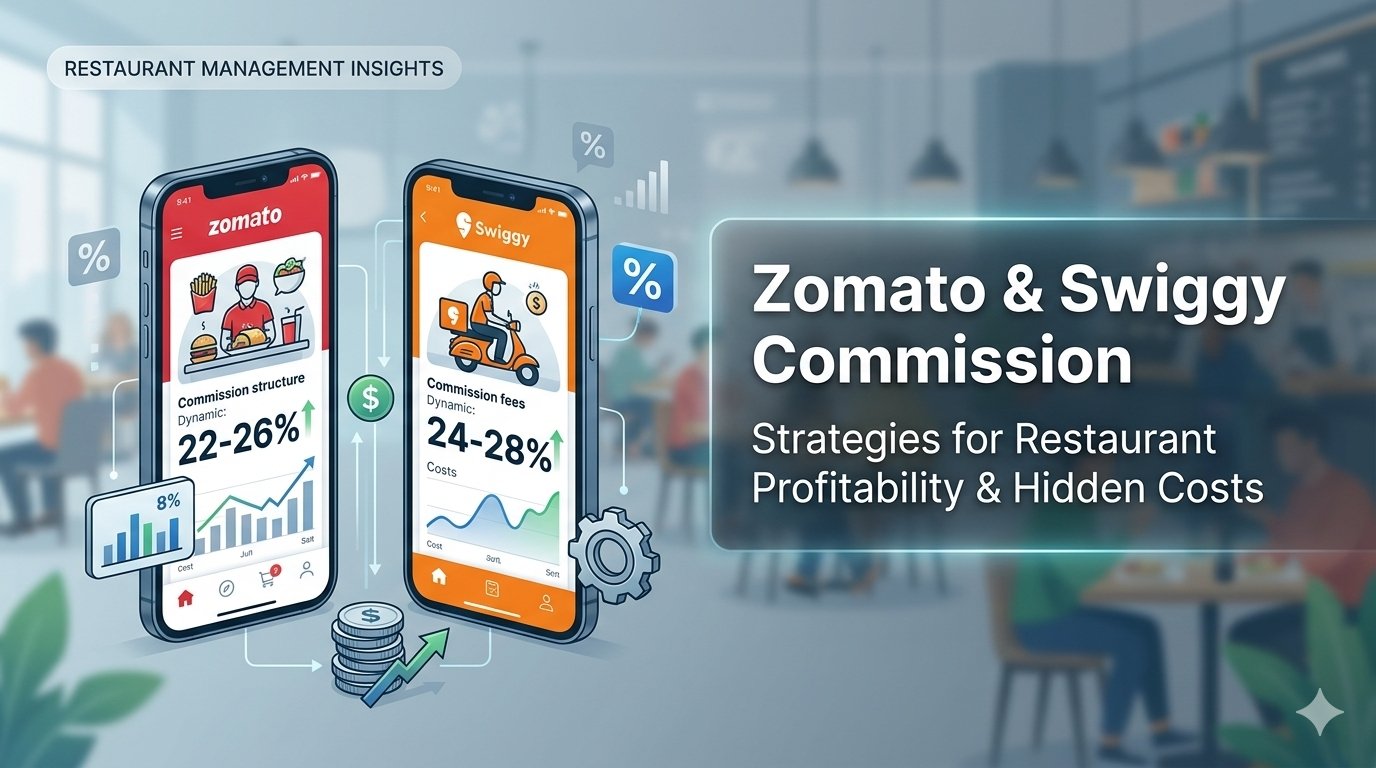
Zomato & Swiggy Commission Rates in 2026 — and How to Protect Your Margin
Zomato & Swiggy Commission Rates in 2026 — and How to Protect Your MarginEvery restaurant…
September 2, 2026
Cloud Kitchen Setup Cost in India: Complete 2026 Breakdown
Generic articles quote ₹5–15 lakh for a cloud kitchen because they’re describing a single-brand, bare-minimum…
March 25, 2026
Swiggy Platform Fee Hike
It’s happened again. Just as we were all getting used to the last round of…
March 22, 2026
From Student Mess to ₹10 Crore
The Indian food business is often romanticized, but the reality is that it’s a battlefield…