Every Licence You Need to Open a Restaurant in India (2026 Checklist)
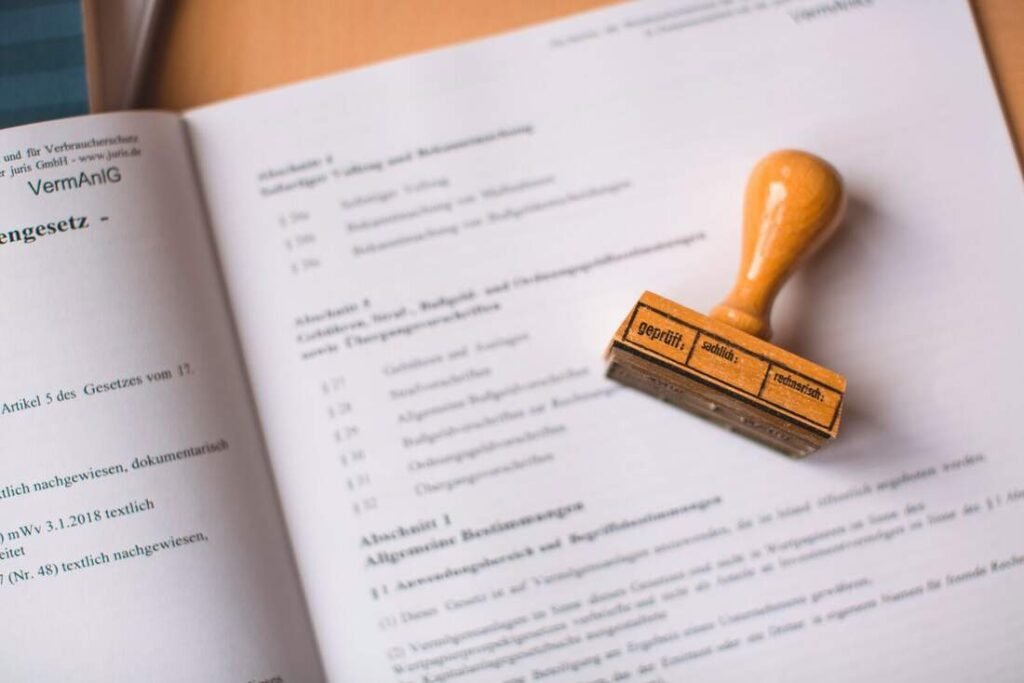
Most first-time restaurant owners budget for licence fees but not licence time — and it’s the timeline, not the paperwork, that actually blows up an opening date. Six licences apply to every restaurant regardless of format, plus two conditional ones (liquor, music) — and five of the eight are issued at the state or city level, so the same licence can take twice as long in one state as another. This checklist walks through all eight, with real timeline ranges, then breaks down how five of them vary by state.
Want this mapped to your own state and opening date instead of a general checklist? Try our free Licence & Permit Timeline Tool — pick your state and target opening date, and it builds your personal sequence in under a minute.
The 8 licences at a glance
| Licence | Issuer | Applies to | Typical timeline |
|---|---|---|---|
| FSSAI Licence / Registration | Food Safety and Standards Authority of India (via FoSCoS) | Every restaurant | 4–7 weeks |
| GST Registration | GST Network (central) | Every restaurant | 1–3 weeks |
| Fire NOC | State/local Fire Department | Every restaurant | 6–14 weeks (varies sharply by state) |
| Eating House Licence | Local police commissionerate / municipal authority | Every restaurant | 4–9 weeks (varies sharply by state) |
| Police Clearance / Staff Verification | Local police (often bundled with Eating House) | Every restaurant | 2–6 weeks (varies by state) |
| Shops & Establishment Act Registration | State Labour Department | Every restaurant | 1–3 weeks (varies by state) |
| Liquor / Excise Licence | State Excise Department | Only if serving alcohol | 8–20 weeks (varies enormously by state, some quota-capped) |
| Music / PPL Licence | PPL India & Novex (copyright societies) | Only if playing music | 1–3 weeks (pan-India, not state-issued) |
These are national planning ranges. Five of the eight — Fire NOC, Eating House, Police Clearance, Shops & Establishment, and Liquor — are issued at the state level, so the real number for your city can look very different. The table further down breaks those five out by state.
What each licence actually involves
FSSAI Licence / Registration — 4–7 weeks
The one non-negotiable licence for every food business. File the moment your lease is signed and kitchen layout is finalised — it requires a physical premises inspection, so applying after interiors are half-built only delays you.
- Confirm your tier: Basic Registration (turnover under ₹12L), State Licence (₹12L–₹20Cr — most standalone restaurants), or Central Licence (above ₹20Cr or multi-state)
- Have kitchen sanitation basics ready for inspection: separated raw/cooked storage, working handwash stations, pest control records, water testing certificate
- Nominate a FoSTaC-trained Food Safety Supervisor
- Get medical fitness certificates for every food handler
- Set a renewal reminder at least 60 days before expiry
GST Registration — 1–3 weeks
The fastest of the eight, and a uniform central process. Aadhaar-authenticated applications are quickest; expect longer if you’re picked for physical premises verification. Make sure your GSTIN is correctly reflected on billing software and every printed invoice before go-live, confirm your GST rate bracket with your CA, and plan your GSTR-1/GSTR-3B filing process from day one.
Fire NOC — 6–14 weeks nationally (state-level, see table below)
Often the single biggest bottleneck in the entire licensing timeline. Start the day your site is confirmed, not after interiors are complete — your fire-safety layout has to be submitted and approved by the local fire department, extinguishers mounted and tagged, exit signage compliant, and the NOC displayed once issued.
Eating House Licence — 4–9 weeks nationally (state-level, see table below)
Your basic permission to serve food to the public, and consistently the most-delayed document in an Indian restaurant’s opening timeline. Chase it first, not last — it typically depends on your Fire NOC and premises approvals already being in hand. See our full restaurant licensing hub for help sequencing this alongside every other approval.
Police Clearance / Staff Character Verification — 2–6 weeks (state-level)
Several states make this mandatory as a condition of your Eating House Licence, with particular emphasis on night-shift and live-in staff. Complete verification for all staff before opening and keep records in each personnel file.
Shops & Establishment Act Registration — 1–3 weeks (state-level)
Your state-level registration governing working hours, employee conditions and holidays — usually the fastest of the state-level licences, and often fully digital.
Liquor / Excise Licence — 8–20 weeks nationally, much higher in some states (only if serving alcohol)
One of your largest and slowest-moving licence costs — budget for it separately and start the moment your site and format are confirmed. Confirm the current-year excise policy and fee schedule directly with your state excise department, since policy changes year to year (sometimes mid-year), and get zoning/distance-from-institution clearance confirmed for your specific site before signing a lease.
Music / PPL Licence — 1–3 weeks (only if playing music)
Required for any recorded or live music, including background music through your sound system. Unlike the other seven, this is a private copyright-society licence (PPL India and Novex) valid across India, not a government approval — so it’s rarely the bottleneck. Fee is typically based on covers/seating capacity.
How timelines change by state
This is where a generic “restaurant licence” article stops being useful — real state-by-state ranges, not one national average.
| State | Fire NOC | Eating House | Police Clearance | Shops & Est. | Liquor / Excise | Notes |
|---|---|---|---|---|---|---|
| Delhi (NCR) | 8–16 wks | 6–12 wks | 3–6 wks | 0–1 wk | 16–36 wks | New commercial liquor licences (L-17/L-19) have been tightly restricted since the 2022–23 excise policy reversal — mostly renewals now, not fresh issuance. Confirm current policy before counting on this timeline at all. |
| Maharashtra (Mumbai, Pune) | 10–16 wks | 8–14 wks | 4–8 wks | 0.5–1.5 wks | 16–48 wks | New FL-III (restaurant/bar) licences are quota-capped in Mumbai and other cities. If the local quota is full, expect 6–12 months, or consider transferring an existing licence instead. |
| Karnataka (Bengaluru) | 6–10 wks | 6–10 wks | 3–6 wks | 1–2.5 wks | 12–36 wks | CL-9 (restaurant) licences are quota-capped in Bengaluru Urban and other high-demand areas — a licence transfer is often faster than a fresh application. |
| Telangana (Hyderabad) | 6–10 wks | 6–10 wks | 3–6 wks | 1–1.5 wks | 8–16 wks | — |
| Tamil Nadu (Chennai) | 6–12 wks | 6–10 wks | 3–6 wks | 1–1.5 wks | 16–40 wks | FL-3 licensing is among the most restrictive in India, with very limited new licences. Confirm early with a local excise consultant whether one is realistically available in your area. |
| West Bengal (Kolkata) | 8–14 wks | 6–10 wks | 3–6 wks | 1–2.5 wks | 10–20 wks | — |
| Gujarat | 6–10 wks | 6–10 wks | 3–6 wks | 1–2 wks | Not available | Prohibition state — there is no standard commercial restaurant liquor licence for the general public. Don’t budget capex or timeline for one; it changes your format economics significantly. |
| Uttar Pradesh | 8–14 wks | 6–12 wks | 4–8 wks | 1–2 wks | 10–20 wks | — |
| Rajasthan | 8–14 wks | 6–10 wks | 3–6 wks | 1–2 wks | 12–28 wks | Tourism-zone properties often face extra site scrutiny for liquor licensing — build in buffer near heritage/tourist areas. |
| Punjab | 6–10 wks | 6–10 wks | 3–6 wks | 1–2 wks | 8–20 wks | Liquor licences are typically allotted/renewed on an annual cycle (April–March), not issued on demand — timing your application to the licensing window matters more here than in most states. |
| Haryana | 6–10 wks | 6–10 wks | 3–6 wks | 0.5–1.5 wks | 8–20 wks | Same annual allotment cycle as Punjab — align your application with the state’s licensing year. |
| Kerala | 8–14 wks | 6–10 wks | 3–6 wks | 1–2 wks | 16–40 wks | The FL-3 bar licence is among India’s most expensive and tightly controlled, with rules that have shifted more than once recently. Confirm current policy directly with the state excise department. |
| Madhya Pradesh | 8–14 wks | 6–10 wks | 3–6 wks | 1–2 wks | 10–20 wks | — |
| Chandigarh (UT) | 6–10 wks | 6–10 wks | 3–6 wks | 0.5–1.5 wks | 10–20 wks | Liquor licence quota is limited for a small UT — check current availability early. |
| Goa | 6–10 wks | 4–8 wks | 2–4 wks | 1–2 wks | 6–14 wks | Comparatively faster and cheaper than most states, reflecting its tourism-driven economy — still confirm current fees and category locally. |
The pattern that jumps out is liquor licensing — it isn’t just slower everywhere, it’s a completely different kind of risk depending on state. Gujarat is prohibition. Delhi, Maharashtra, Karnataka and Tamil Nadu all have quota caps where a transfer can beat a fresh application. Punjab and Haryana run annual allotment windows, not rolling approval. This is exactly the kind of thing a generic “how to get a liquor licence in India” article can’t tell you, because there is no single answer — only a state-by-state one.
A realistic sequencing plan
Start Fire NOC and Eating House Licence — and Liquor, if you’re serving alcohol — the day your site is confirmed, before interiors are complete, because they’re the longest and most state-dependent. Run FSSAI, GST, and Shops & Establishment in parallel once your lease and kitchen layout are locked. Music/PPL can wait until closer to opening since it’s fast and pan-India.
Want this mapped to your actual state and opening date instead of a general sequence? Our free Licence & Permit Timeline Tool builds it in under a minute.
FAQs
How many licences does a restaurant need in India?
Six licences apply to every restaurant regardless of format: FSSAI, GST Registration, Fire NOC, Eating House Licence, Police Clearance, and Shops & Establishment Act Registration. Two more are conditional: a Liquor/Excise Licence if you’re serving alcohol, and a Music/PPL Licence if you’re playing recorded or live music.
How long does it take to get an FSSAI licence for a restaurant?
Typically 4–7 weeks nationally. It requires a physical premises inspection, so apply as soon as your lease is signed and kitchen layout is finalised — applying after interiors are half-built only adds delay.
How long does the Eating House Licence take in Delhi?
In Delhi, budget 6–12 weeks for the Eating House Licence, though it usually depends on your Fire NOC (8–16 weeks in Delhi) being in hand first — factor both into your sequencing, not just the Eating House number alone.
Which state has the slowest liquor licensing in India?
Maharashtra’s FL-III licence can take 16–48 weeks due to quota caps in cities like Mumbai, and Tamil Nadu and Kerala’s FL-3 licences are similarly restrictive at 16–40 weeks. Gujarat doesn’t issue a standard commercial restaurant liquor licence at all — it’s a prohibition state.
What’s the single biggest cause of restaurant opening delays in India?
Underestimating Fire NOC and Eating House Licence timelines. Both are state-issued, both commonly run 2–4 months, and the Eating House Licence typically can’t be finalised until the Fire NOC is already in hand — so starting either late pushes back your entire opening date.
The bottom line
Licensing costs are one number, but licensing time is the number that actually determines your opening date — and it depends more on your state than any other factor in this checklist.
Build your own timeline with the free Licence & Permit Timeline Tool, or talk to us if you want the whole sequence — licensing, kitchen, launch — planned around a real opening date.