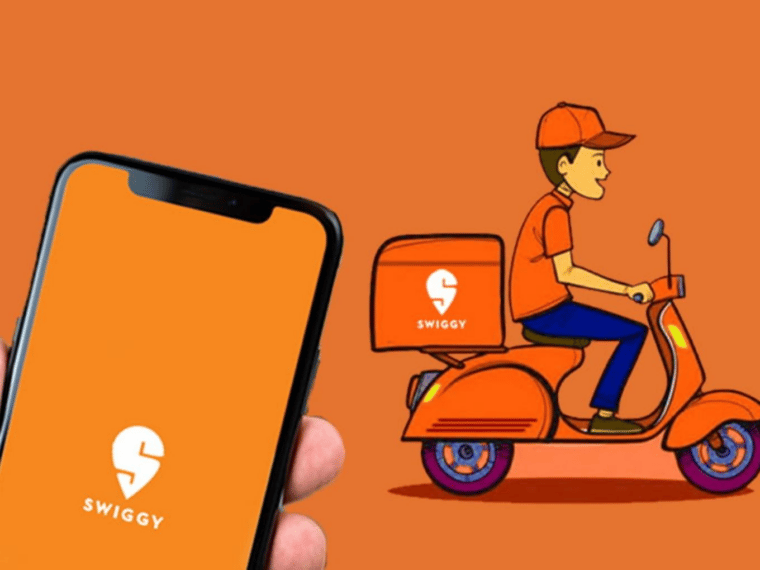
The way India eats is transforming at a breathtaking pace. If you run a restaurant, cafe, or cloud kitchen, the recent news about Swiggy Bolt isn’t just a headline—it’s a direct message about the future of your customer’s expectations. With Swiggy’s ultra-fast delivery service, Bolt, now accounting for a staggering 10% of all its orders, the “quick commerce” revolution is officially reshaping the food delivery landscape.
Swiggy Bolt
For us as restaurant owners and entrepreneurs, this shift is monumental. It’s no longer just about what food you serve, but how quickly you can get it to your customer. This new reality presents both a significant challenge and a massive opportunity. At RestaurantCoach.in, we help food businesses navigate these exact industry pivots. In this post, we’ll break down what Swiggy Bolt’s success truly means for you and provide a clear, actionable plan to not just survive, but thrive in the age of instant gratification.
What’s the Big News? Decoding Swiggy Bolt’s Impact
Let’s analyse the core developments. Swiggy’s CEO, Rohit Kapoor, has revealed that their express delivery service, Bolt, is fundamentally changing consumer behaviour. Born from the success of 10-minute grocery delivery, customers now demand the same speed for their food—from that early-morning coffee to a quick lunch.
The key takeaways are:
-
Speed is Now a Primary Decision-Maker: Customers are actively choosing faster options. It’s becoming as important as price and taste.
-
10% of All Orders: This isn’t a niche service anymore. Bolt is mainstream and volume is significant.
-
Expansion into New Dayparts: Swiggy is aggressively pushing Bolt into high-impulse categories like evening snacks and late-night meals.
-
The Target Audience is Clear: Students and young professionals, who prioritise convenience above all, are driving this growth.
-
Financial Shifts: To sustain this model, Swiggy is raising delivery fees, a cost that will inevitably ripple through the ecosystem to restaurants and consumers.
This isn’t a fleeting trend. It’s a permanent shift in the market dynamics, and your ability to adapt will be a key determinant of your success.
How Does Swiggy Bolt Directly Impact Your Indian Restaurant Business?
So, what does this mean for your bottom line? The impact is multi-layered and affects everything from your kitchen operations to your marketing.
1. The “Speed” Expectation is Your New Normal.
Your customers in Mumbai, Delhi, Bangalore, and beyond are being trained to expect food in minutes, not hours. If your preparation and dispatch times are slow, you will see your ratings drop and your orders migrate to competitors who are optimised for speed. This is especially critical for QSRs and cloud kitchens.
2. The Battle for the Impulse Customer is On.
Swiggy is explicitly targeting spontaneous cravings. This is a huge opportunity for categories like desserts, snacks, biryanis, and coffee. If your menu isn’t visible and available for these instant decisions, you’re missing a growing revenue stream. We’ve seen this with our coaching clients at RestaurantCoach.in—those who align their menu with impulse buying patterns see a direct boost in average order value.
3. The Financial Equation is Changing.
With Swiggy increasing delivery fees to fund its quick commerce ambitions, the already tight profitability of online orders is under more pressure. You cannot simply absorb these changes. You need a strategic approach to pricing and packaging to ensure that participating in Bolt and similar services remains profitable for your business.
4. A New Avenue for Product Innovation.
Swiggy itself is exploring products like high-protein meals and DeskEats. This signals a market need for specialised, convenience-focused offerings. This is a green light for you to innovate beyond your standard menu. Could you create a “10-Minute Lunch Bowl” or a “Quick Bite Combo” specifically designed for this channel?
Your 7-Step Action Plan to Dominate the Quick Commerce Wave
Understanding the impact is step one. Taking action is what separates successful restaurants from the struggling ones. Here is a concrete, 7-step plan you can implement starting next week.
1. Audit and Optimise Your Kitchen Workflow (The “Kitchen Sprint”)
Speed in delivery starts with speed in the kitchen.
-
Action: Time your order-to-dispatch process. Identify bottlenecks.
-
Next Step: Implement a “mise en place” (everything in its place) system where ingredients for popular Bolt items are pre-prepped and ready to assemble. Designate a specific station for quick-commerce orders to prevent disruption to your dine-in service.
2. Create a “Speed-Optimised” Menu Section.
Not every item on your menu is suited for a 10-minute delivery promise.
-
Action: Analyse your data to identify dishes that are already quick to prepare, travel well, and have high demand.
-
Next Step: Create a dedicated section on your Swiggy menu titled “Bolt Favourites,” “Quick Bites,” or “10-Minute Specials.” Feature these items prominently to guide the time-sensitive customer.
3. Revisit Your Packaging for Speed and Integrity.
If the food arrives messy, speed becomes irrelevant.
-
Action: Test your current packaging for leakage and sogginess during a simulated bike ride.
-
Next Step: Invest in leak-proof, compartmentalised containers that maintain food temperature and texture. Good packaging reduces refunds and protects your brand reputation.
4. Strategise Your Pricing for Profitability.
With rising platform commissions and delivery fees, you must be smart with pricing.
-
Action: Calculate the exact profitability of each item on your Bolt menu after all aggregator costs.
-
Next Step: Use strategic pricing like “combo deals” or “mini-meals” that increase the average order value (AOV) to offset the cost of delivery. Avoid deep discounts that erode all your margins.
5. Master Your Promotional Calendar.
Align your marketing with the high-impulse dayparts Swiggy is targeting.
-
Action: Plan specific promotions for evening snacks (4-7 PM) and late-night (10 PM-2 AM).
-
Next Step: Offer a “Bolt-Exclusive” snack or a limited-time dessert to create urgency and give customers a reason to choose you over the dozens of other options.
6. Leverage Data to Make Informed Decisions.
Your Swiggy Partner app is a goldmine of information.
-
Action: Regularly review your performance reports. Look at your average preparation time, peak ordering times, and customer ratings for your Bolt orders.
-
Next Step: Use this data to adjust your staff scheduling, menu offerings, and prep quantities. If your data shows a spike in coffee orders at 3 PM, ensure you are fully staffed and stocked at that time.
7. Train Your Staff for the Quick Commerce Mindset.
Your team needs to understand the new priority.
-
Action: Conduct a brief training session to explain the importance of the Bolt service for business.
-
Next Step: Empower and incentivise your kitchen and packing staff to hit dispatch time targets. A small reward for a week of perfect on-time dispatch can work wonders.
The Coach’s Perspective: Beyond the Hype
In our restaurant coaching programs at RestaurantCoach.in, we always stress one thing: Chase profitability, not just volume. The quick commerce wave is powerful, but you must ride it on your own terms.
Yes, you need to be fast. But never at the cost of food quality or your restaurant’s financial health. We are coaching our clients to see platforms like Swiggy Bolt as a powerful channel, not their entire business. The goal is to use this channel to acquire new customers, increase frequency, and build a brand that people love—so much so that they eventually order directly from you.
This trend also opens up fantastic opportunities for agile cloud kitchens and food entrepreneurs. The barrier to entry for a brand built specifically for quick commerce is lower than for a full-scale restaurant. If you have a unique, travel-friendly food concept, now is the time to launch.
Conclusion: Speed is a Strategy, Not a Panacea
The rise of Swiggy Bolt is a clear signal: speed and convenience are now non-negotiable elements of the restaurant business in India. By optimising your operations, refining your menu, and strategically pricing your offerings, you can turn this industry disruption into your competitive advantage.
Embrace the change, but stay true to your core—delivering delicious food that keeps customers coming back, whether it arrives in 10 minutes or 30.
Need a tailored strategy to make your restaurant profitable in the age of quick commerce? You don’t have to figure it out alone. Our expert restaurant coaching programs at RestaurantCoach.in provide you with the tools, frameworks, and one-on-one guidance to build a resilient and profitable food business. [Book a Free Consultation Today] to transform your restaurant vision into reality.
FAQ Section
Q1: Is participating in Swiggy Bolt mandatory for my restaurant?
A: No, it’s not mandatory. However, opting out means you could be missing out on a significant and growing segment of customers who filter for speed. It’s a strategic choice that depends on your cuisine type, operational capability, and target audience.
Q2: How can I reduce the high commissions charged by food aggregators?
A: While you can’t directly control the commissions, you can mitigate their impact. The most effective strategy is to use these platforms to build a loyal customer base and then incentivise them to order directly from you via your own website or app, using tactics like loyalty programs and exclusive direct-order discounts.
Q3: My food requires careful preparation and doesn’t travel well. What should I do?
A: Focus on what you can control. You may not be able to promise 10-minute delivery, but you can ensure your packaging is exceptional so the food arrives in perfect condition. Use your menu description and images to tell the story of your craft. Customers who value quality over speed will still seek you out. You can also create a few simpler, travel-friendly items specifically for the delivery channel.
For official food safety standards related to packaging and transportation, always refer to the FSSAI website.
 Demos
Demos  Colors
  Docs
Docs  Support