KFC & Premium Food Brands Coming to Railway Stations: What It Means for Indian Restaurants
Introduction: Why This News Matters for Indian Restaurant Owners
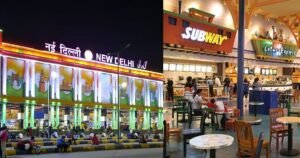
India’s railway ecosystem is about to evolve, and this shift has massive implications for food businesses across the country. The Ministry of Railways recently announced that Premium Brand Catering Outlets—including names like KFC, Pizza Hut, McDonald’s, Baskin Robbins, and Haldiram’s—may soon be allowed to operate directly inside railway stations.
For restaurant owners, QSR operators, cloud kitchens, and local food entrepreneurs, this move signals a major transformation in how food service will function in high-footfall public spaces. With more than 23 million passengers traveling daily, railway stations are one of India’s largest untapped food retail platforms.
At RestaurantCoach.in, we’ve helped hundreds of Indian restaurant owners understand industry shifts. And this is one of the most important developments in the past few years because it affects competition, pricing, branding, customer expectations, and expansion opportunities.
This blog breaks down the news, explains its impact, and gives you actionable strategies to stay ahead.
News Analysis: What Exactly Has the Railway Board Approved?
The Ministry of Railways, through a circular dated November 13, shared that the South Central Railway proposed allowing premium single-brand food outlets at railway stations. These include major national and international QSR brands such as:
KFC
Pizza Hut
Baskin Robbins
Haldiram’s
And other well-known food brands
The Railway Board reviewed the request and has now agreed that zonal railways may introduce Premium Brand Catering Outlets—a newly recognized fourth category of railway station food stalls.
Key highlights of the circular:
Only single-brand, company-owned, operated, or franchised outlets are allowed.
Licenses will be allotted via e-auction, ensuring transparency.
Tenure will be 5 years, similar to other station stalls.
The plan must be integrated into each station’s blueprint or master plan.
Minimum license fees and other terms will follow the current catering policy.
This development led to a jump in share prices of two major Yum! Brands franchisees:
Sapphire Foods India (operates 529 KFC & 338 Pizza Hut outlets)
Devyani International (operates 734 KFC & 621 Pizza Hut outlets)
While stock market reactions are interesting, the real story is how this shift will influence the competitive landscape for food businesses across India.
How Does This Affect Restaurant, Café, and Cloud Kitchen Owners in India?
Here’s the coach’s perspective:
This change will raise customer expectations across the board, especially in Tier 1 and Tier 2 cities. Let’s break down the impact.
1. Increased Competition in High-Footfall Zones
Railway stations are historically dominated by local vendors. Introducing top-tier brands will elevate the competition significantly.
Expect:
Higher-quality products being sold around you
More standardized pricing
A shift toward branded, safe, hygienic food experiences
2. Customer Expectations Will Rise Everywhere
When a KFC or Haldiram’s becomes the default at railway stations, even standalone restaurants outside stations will feel the pressure.
Customers will expect:
Faster service
Cleaner environments
Consistent product quality
3. More Opportunities for Local Brands to Franchise
Railway stations may open doors not just for big chains but eventually for local premium brands that can meet standards.
If your restaurant:
Has strong branding
Maintains hygiene
Shows consistent quality
…you may soon be in a position to compete for such locations.
4. New Revenue Streams & Expansion Models
With stations becoming mini food courts, Indian restaurant brands can explore:
Micro outlets
Kiosk models
Grab-and-go concepts
We see this trend among many coaching clients at RestaurantCoach.in.
5. Operational Challenges Will Intensify
Premium brands bring:
Strict SOPs
Consistent packaging
Strong supply chains
Independent restaurants must improve back-end systems if they want to stay competitive.
Action Steps: What Should Indian Restaurant Owners Do Next?
Here are 7 practical, high-impact action steps to stay ahead of this industry shift.
1. Strengthen Your Brand Identity
If nationwide brands are entering commuter zones, your restaurant must communicate:
Strong visual identity
Unique positioning
Consistent brand experience
Next step: Refresh your logo, signage, and menu design.
2. Improve Operational Efficiency
The biggest reason customers choose QSR brands is speed.
Next step:
Create SOPs for:
Order-taking
Food assembly
Packaging
Delivery handover
3. Implement Hygiene-Focused Systems
India’s diners now prioritize hygiene more than price.
Next step:
Introduce visible hygiene practices:
Gloves, hairnets, sanitizers
Open kitchen layout
Daily cleaning logs
4. Upgrade Your Menu Engineering
When competing with KFC or Pizza Hut, your menu must offer:
Clear value
Unique signature items
Strong combos
Next step:
Analyze the sales contribution of each dish using a simple popularity vs. profitability matrix.
5. Explore Micro-Outlet Formats
Even if you don’t plan to operate inside a station, grab-and-go is the future.
Next step:
Develop a mini version of your outlet:
60–120 sq ft kiosks
Limited menu
Fast-moving SKUs
6. Strengthen Supplier Relationships
Big brands win because their supply chains never break.
Next step:
Create backup vendors and negotiate long-term pricing agreements.
7. Invest in Staff Training
Service quality is now a key differentiator.
Next step:
Train teams on:
Speed
Greeting
Product knowledge
Customer problem resolution
This is exactly the kind of training framework we teach at RestaurantCoach.in.
Expert Coach Perspective: What This Means for the Future of Food Service in India
From our experience coaching restaurants across India, we see this shift as part of a larger trend:
Branded food experiences are expanding beyond malls and high streets.
Standardization is becoming a baseline expectation, not a luxury.
Government bodies are prioritizing hygiene and organized food retail.
For restaurant owners, this isn’t a threat—it’s a wake-up call.
At RestaurantCoach.in, we’ve helped numerous owners successfully reposition themselves when new competitors enter their market. The ones who thrive are those who:
Adopt system-driven operations
Build strong, memorable brands
Deliver consistent customer experience
Use data and SOPs to scale profitably
The arrival of premium food brands in railway stations reinforces what we’ve been advising for years:
You need to run your restaurant like a scalable business, not a passion project.
Conclusion: The Key Takeaway for Indian Food Entrepreneurs
The introduction of premium food brands at railway stations marks a major shift in how India experiences food on the move. For restaurant owners, this change will increase competition but also open new opportunities for brand expansion and improved customer experience.
If you adapt early, strengthen your systems, and build a recognizable brand, you can thrive alongside national chains—not just compete with them.
Need expert guidance to navigate these industry changes?
Our restaurant coaching programs at RestaurantCoach.in help food entrepreneurs build profitable, sustainable businesses. Get in touch today and transform your restaurant vision into reality.
Written by Nitin Kapoor
Founder & Director, Restaurant Coach
Nitin is the founder of Restaurant Coach, a Delhi-based restaurant consulting agency he started in 2015. He holds a B.Sc in Hospitality Management and a Google-certified Digital Marketing qualification, and has spent 15+ years leading operations and marketing for restaurant brands in India and internationally, including Lite Bite Foods, Eastman Colour Restaurants and multi-outlet F&B groups in New Zealand. He has advised on 50+ restaurant launches across India. Connect with Nitin on LinkedIn.
Related Services
Related Posts
December 15, 2025
Burger Singh’s Bihar Move: A Deep Dive for Indian Restaurant Entrepreneurs
The recent expansion of Burger Singh into Darbhanga, Bihar, is more than just another outlet…
December 13, 2025
Third Wave Coffee’s 200th Cafe: Key Lessons for Indian Restaurant Owners
If you’re running a restaurant, cafe, or cloud kitchen in India today, you can’t afford…
November 24, 2025
Shankar Mahadevan’s Malgudi Expansion: Key Lessons for Indian Restaurants
The recent news about music maestro Shankar Mahadevan opening his second Malgudi outlet in Mumbai’s…
November 21, 2025
Third Wave Coffee’s Ahmedabad Expansion: A Wake-Up Call for Indian Restaurateurs
The recent news that Third Wave Coffee is opening two new cafes in Ahmedabad is more than…