Demos
Demos  Colors
  Docs
Docs  Support
Home 15
Newly Added

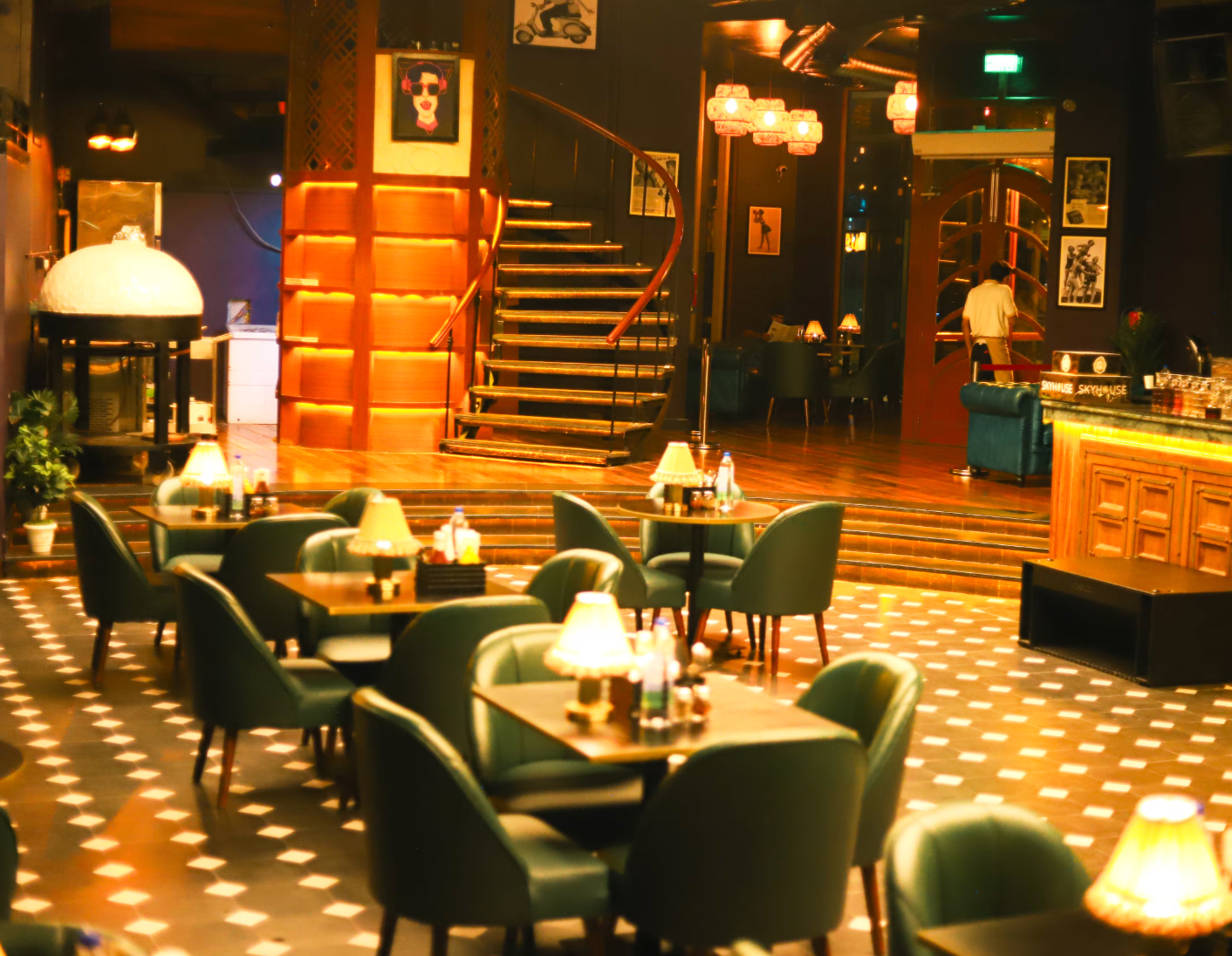

Winter in India isn’t just a change in weather; it’s a significant shift in consumer dining behavior. A recent trend piece highlighted the surge in popularity of open-air cafés, rooftop venues, and riverside spots in Kolkata during the cooler months. Patrons are actively seeking spaces where they can “soak in the sun,” enjoy fresh air, and socialize in scenic settings.
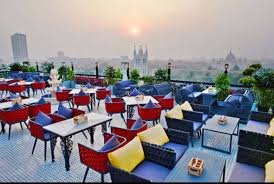
open air 1
For restaurant owners, this is far more than a seasonal fluff piece in a lifestyle section. It’s a clear signal of a powerful market demand that extends far beyond one city. This trend represents a critical revenue opportunity and a chance to build stronger customer loyalty. In this analysis, I’ll break down why this trend matters across India, its direct impact on your business, and provide a concrete action plan to help you capture this seasonal demand.
The article from Kolkata is a specific example of a nationwide consumer shift. Across India, the winter months trigger a desire for “cozy, comforting formats” that blend enjoyable ambiance with quality food and drink. Customers aren’t just buying a meal; they are purchasing an experience and a feeling—be it relaxation by the water, the energy of a rooftop skyline, or the simple pleasure of an outdoor brunch in the sun.
Key consumer drivers behind this trend include:
The Experience Economy: Dining out is increasingly an event. Venues like Kolkata’s Ozora, with its 20th-floor panoramic views and tea-based cocktails, or AltAir’s trendy rooftop brewpub, succeed by offering a memorable atmosphere that complements the menu.
The Rise of “Al Fresco” as a Premium Feature: Outdoor seating is no longer just extra chairs on a sidewalk. It’s a designed space that commands attention. As one review of AltAir noted, the “open air brings vitality” and is a key part of the venue’s stylish yet comfortable appeal.
The Blurring of Day-Parts: These spaces are designed for longevity. A spot ideal for “winter afternoons” and “long conversations” can seamlessly transition into a vibrant evening venue, maximizing table turnover and per-customer revenue throughout the day.
This trend aligns with broader 2025 movements where restaurants are focusing on experiential dining, creating immersive environments that go beyond the plate.
Understanding this trend is crucial because it directly affects your competitiveness, revenue potential, and customer retention. Ignoring it means leaving money on the table during one of the most lucrative dining seasons.
Here’s how this trend impacts different segments of the industry:
For Cafe & Casual Dining Owners: This is your core opportunity. Your competition isn’t just the cafe down the street; it’s any venue offering a pleasant outdoor experience. You must ask if your space facilitates the “slow, relaxing mood” or “joyful space for relaxation” that customers are actively seeking.
For Fine Dining & Premium Restaurants: The trend elevates ambiance to a course in itself. Can you offer an unparalleled setting, like a “floating” experience or a skydeck with “sweeping city views,” that justifies your premium pricing and creates a must-visit destination?.
For QSRs & Cloud Kitchens: While primarily dine-in, the experiential trend influences expectations. Your packaging, presentation, and even marketing visuals should evoke warmth and comfort. Furthermore, consider if a hybrid model with limited, well-designed al fresco seating could be a competitive advantage, especially in tier-2 cities where dine-in remains socially important.
For Food Entrepreneurs & Startups: This trend is a golden rule for concept development. A unique location or atmosphere (rooftop, garden, patio) can be a more powerful differentiator than a menu alone in a crowded market. Your venue’s “vibe” is a foundational part of your brand.
The business case is solid. In a challenging industry where 60% of new restaurants struggle in their first year, failing to capitalize on clear seasonal demand can be a critical misstep. Offering a compelling winter experience is a strategic move to boost footfall, increase average order value (as patrons linger longer), and generate buzz-worthy social media content.
You don’t need a riverfront property or a 20th-floor penthouse to benefit. You need a strategic plan. Here is a step-by-step guide to implement before the peak winter season arrives.
Step 1: Conduct an “Al Fresco” Audit of Your Space.
Maximize what you have. Do you have a sidewalk, a balcony, a back alley, or even a flat roof? Can you rearrange indoor seating to create a more open, airy feel? Look at your space with fresh eyes. Simple investments in outdoor heaters, windbreaks, comfortable seating, and ambient lighting (fairy lights, lamps) can transform a marginal area into a premium asset.
Step 2: Engineer a “Winter Comfort” Menu.
Your food and drink must match the ambiance. Move beyond the standard menu. Introduce seasonal, comforting specialties.
Drinks: Feature rich, seasonal beverages. Think beyond regular coffee to special hot chocolates (a huge trend in Hyderabad), mulled wines, spiced teas, and warm, indulgent cocktails.
Food: Integrate “melty” comfort foods and hearty dishes. As industry experts note, think “hearty breads,” warm bowls, and reimagined soups with local twists like a “pepper-garlic rasam cappuccino”. Offer shareable platters suited for social, leisurely dining.
Step 3: Create & Market the “Winter Experience.”
Don’t just sell tables; sell moments. Bundle your ambiance and menu into marketable experiences.
“Sunset Sessions” with a special drink menu.
“Weekend Winter Brunch” in the garden.
“Starlight Dinners” on the terrace.
Pet-friendly afternoons, like the successful “Puppy-themed events” mentioned in Kolkata, which create immense social buzz.
Use high-quality photos and videos of these experiences in your social media marketing.
Step 4: Optimize for Visibility and Bookings.
Update all your online profiles immediately. Your Google My Business, Zomato, and Instagram photos must showcase your winter-ready space. Use keywords like “outdoor seating,” “rooftop,” “garden cafe,” “winter specials,” and “pet-friendly” in your bios and posts. Ensure your booking system (like Dineout or TableUp) clearly highlights and allows reservation for outdoor tables.
Step 5: Train Your Staff to Sell the Experience.
Your team is your ambassador for the new vibe. Train them to:
Confidently describe the seasonal menu items and special drinks.
Proactively suggest seating in the newly configured outdoor or open-air section.
Understand the “experience” you’re selling so they can authentically convey it to guests.
Step 6: Implement a Feedback Loop.
Once launched, actively seek feedback. Talk to guests enjoying the space. Monitor online reviews specifically mentioning the ambiance. Use this data to tweak your offering—maybe you need more heaters, or the special cocktail is a hit and should be promoted more.
Step 7: Plan for All-Weather Resilience.
Indian weather can be unpredictable. Have a backup plan. Can your outdoor setup be adapted quickly in case of unseasonal rain or wind? Having retractable awnings, removable covers, or a seamless process to move guests indoors shows operational professionalism.
At RestaurantCoach.in, we see this trend through a strategic lens. It’s not a gimmick; it’s about intentional hospitality and smart revenue management. The cafes and rooftops highlighted are successful because they execute fundamentals well: a clear concept, a targeted menu, and an environment that meets a demonstrated customer need.
This aligns with a core principle we teach: restaurants must master the balance between consistency and customization. Your brand’s core identity must be consistent, but your offerings—whether a seasonal menu or a temporary seating area—should adapt to customer desires and external opportunities like weather.
Failing to adapt is a major risk. With the Indian restaurant industry facing significant challenges, including high failure rates, leveraging clear seasonal trends is a low-risk, high-reward strategy to increase revenue and stay relevant. We’ve helped dozens of owners implement such focused seasonal strategies, often seeing a 20-30% uplift in revenue during the campaign period by creating a compelling reason for customers to visit now.
The takeaway is clear: The demand for winter-friendly, experiential dining is a significant, nationwide business opportunity. It allows you to increase revenue, differentiate from competitors, and build a more resonant brand.
Your immediate next steps are to audit your space, design a simple seasonal offering, and market it with compelling visuals. Start small if you need to—a few well-dressed tables and a special menu can make a huge impact.
Need a tailored plan to transform your space and menu for maximum winter profitability? This is exactly the type of operational and strategic challenge we excel at solving.
Our restaurant coaching programs at RestaurantCoach.in provide food entrepreneurs with the frameworks, actionable plans, and expert guidance to build profitable, sustainable businesses. Contact us today for a consultation, and let’s work together to make your restaurant the destination this season.
The Indian food and beverage (F&B) industry is buzzing with news that has significant implications…
Maharashtra PNG Supply Hike: A Restaurant Coach’s Guide to Relief and Resilience For restaurant owners…
The Fast-Food Diabetes Link: What Telangana’s Health Warning Means for Your Restaurant’s Future As a…
As restaurant business coaches in India, we at RestaurantCoach.in spend a lot of time in commercial kitchens.…

Founded in 2015 by seasoned restaurant professionals who understood the challenges faced by food entrepreneurs in India, Restaurant Coach began as a vision to democratize restaurant success.

Founded in 2015 by seasoned restaurant professionals who understood the challenges faced by food entrepreneurs in India, Restaurant Coach began as a vision to democratize restaurant success. After witnessing countless talented chefs and passionate food lovers struggle with business aspects of restaurant operations, our founders decided to bridge the gap between culinary passion and business acumen.