Demos
Demos  Colors
  Docs
Docs  Support
Home 15
Newly Added

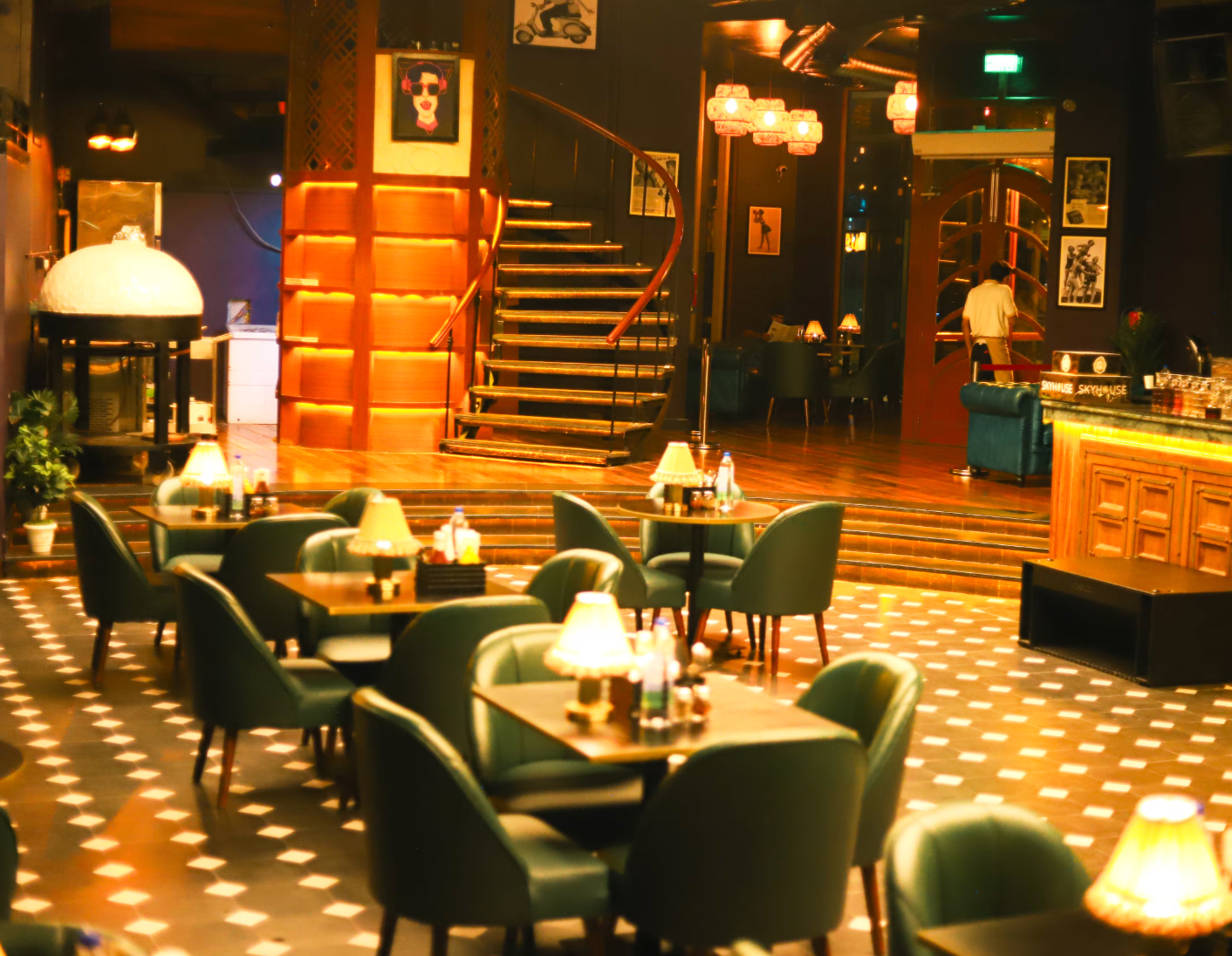

If you think running a restaurant is just about great food, it’s time for a palate cleanser. A powerful trend is captivating customers across India, and it has as much to do with paintbrushes as it does with biryani. The original news article, “Discover the Top 5 Cafes in Bangalore For Art Lovers,” highlights a cluster of innovative establishments like Artgram, Klayworkz Barista, and Bistro Claytopia that are thriving by merging gourmet experiences with hands-on art activities like pottery and painting .
secret ingredient 1
This isn’t just a quirky niche; it’s a case study in the massive consumer shift towards experiential dining. Today’s guests, especially younger millennials and Gen Z, are no longer visiting restaurants just for food and drinks. They crave atmosphere, conversation, and a sense of discovery . They want an experience they can share on social media and a memory they can take home. Art fulfills this need perfectly, transforming a simple meal into a multi-sensory event.
In this analysis, we’ll break down this trend from a business owner’s perspective. We’ll explore its direct impact on your bottom line and provide a practical, step-by-step guide to weaving art into your own restaurant’s fabric.
The original news spotlights Bangalore cafes that have moved beyond static art on the walls to offer interactive, creative engagements. These are not galleries with a coffee machine; they are fully integrated spaces where the business model depends on the synergy between art and food.
The key players include:
Klayworkz Barista:https://www.klaybar.net/
Combines gourmet dining with hands-on pottery and ceramic painting .
Bistro Claytopia: Allows guests to select pottery pieces, paint them, and enjoy a meal simultaneously, taking their finished art home .
MixNosh Art Café: Touted as India’s first sneaker and resin art café, it hosts workshops and events, positioning itself as a hub for like-minded creatives .
The underlying success principle is creating “Instagrammable” moments. As one design expert notes, art in restaurants has become a way to create moments that amplify a restaurant’s presence online . This model effectively doubles a customer’s reason to visit: they come for the food and stay for the activity, which often has a separate price point, increasing the average ticket value.
The rise of art cafes is a clear signal of a larger shift in the hospitality industry. Ignoring it means missing out on significant revenue and branding opportunities. Here’s how this trend affects you, whether you run a fine-dining establishment, a QSR, or a cloud kitchen.
The Fight for Attention Just Got Tougher: Simply put, experiential venues are raising the bar for what customers expect. A restaurant with great food is no longer enough to guarantee loyalty. When customers can choose between a standard meal and a meal where they can paint a mug to take home, the latter offers a more compelling story and a longer-lasting memory . This forces all players to innovate beyond the menu.
A New Revenue Stream Awaits: Integrating art isn’t just a cost; it’s a potential profit center. Art workshops, pottery sessions, and DIY art kits add a direct, high-margin revenue stream on top of the food and beverage sales . It also encourages longer dwell times, which naturally leads to higher consumption of F&B items.
The Power of Community Building: Art transforms your restaurant from a transactional space into a communal hub. As seen with cafes like Urban Solace in Bangalore, which hosts music bands and encourages interaction, these spaces foster a sense of connection among patrons . A strong community doesn’t just drive repeat business; it turns your customers into your most powerful brand ambassadors.
The Demographic Shift is Real: Studies indicate that over 70% of urban Indian café patrons, especially younger ones, choose a café based on atmosphere and aesthetics . This generation values creativity and self-expression, and they are willing to spend on experiences that fulfill these desires. Your restaurant’s design and offering must speak to this mindset.
You don’t need to turn your fine-dining spot into a full-blown pottery studio overnight. Success lies in a strategic, phased approach. Here is a practical plan to get you started.
Start Simple: Curate a Rotating Art Gallery
Action: Partner with local art schools or emerging artists to display their work on your walls. Host a monthly or quarterly “artist unveiling” night.
How-To: Offer the wall space for free but facilitate the sale of artworks, taking a small commission. This creates a dynamic, ever-changing ambiance and gives artists a platform, building goodwill for your brand .
Next Step: Reach out to the local Chitrakala Parishath or art college this week to propose a collaboration.
Introduce Themed “Sip and Paint” Evenings
Action: Dedicate one slow night per week (e.g., a Tuesday or Wednesday) to a guided painting session.
How-To: Partner with a local art instructor. You provide the space and a special F&B package (e.g., a wine and cheese platter), and the instructor brings the materials for a fee per head. This drives traffic on otherwise quiet nights and has a predictable cost structure.
Real-World Example: This is the core model of cafes like Paint the Town Restaurant in Bangalore, which builds its entire brand around the painting-and-dining experience .
Develop a Signature, Art-Inspired Menu
Action: Translate the art theme directly onto the plate. This is a perfect strategy for cloud kitchens and QSRs that can’t host physical events.
How-To: Create visually stunning dishes or desserts that are “too pretty to eat.” Use colorful, natural ingredients to create canvas-like plates. Think of it as “art you can eat,” which is inherently shareable on social media.
Example: Lavonne Café & Patisserie in Bangalore is a prime example, where the artisanal desserts are themselves the masterpieces, driving both footfall and social media buzz .
Design “Instagrammable” Zones
Action: Audit your restaurant’s space and identify one corner that can be transformed into a highly photogenic spot.
How-To: This could be a floral installation, a unique wall mural (like the one at The Bombay Canteen), or an interesting piece of statement furniture . Ensure the lighting is flattering for photos. This costs very little but encourages free marketing from your guests.
Form Strategic Local Partnerships
Action: Collaborate with non-competing businesses that cater to a similar audience.
How-To: Partner with a nearby art supply store, a bookstore, or a local pottery studio. Cross-promote each other’s offerings. For example, a customer at the pottery studio gets a discount at your cafe, and vice-versa. This expands your reach into a pre-qualified customer base.
At RestaurantCoach.in, we’ve helped dozens of restaurant owners navigate the shift from purely transactional to experiential models. The data and customer feedback are clear: art is not a fad; it’s a robust response to evolving consumer psychology.
From a strategic standpoint, integrating art solves several core business challenges:
Differentiation in a Saturated Market: In a city like Bangalore or Mumbai, where new cafes open every week, an art theme provides a unique selling proposition (USP) that is difficult to copy overnight.
Premium Pricing Justification: Experiences command higher prices. Customers perceive greater value in a ₹800 pasta dish if it comes with a two-hour pottery session, making them more willing to spend.
Building a Resilient Brand: A restaurant known for its vibrant community and events is less vulnerable to being seen as a commodity. This brand equity is your strongest defense against competition.
We emphasize to our coaching clients that the goal isn’t necessarily to become an “art cafe.” The goal is to harness the principles of experiential dining to build a deeper, more profitable relationship with your customers. This is why we incorporate modules on experience design and strategic partnerships in our restaurant coaching programs at RestaurantCoach.in.
The success of art cafes in Bangalore and beyond is a powerful lesson. It demonstrates that the future of Indian dining lies in creating memorable, multi-sensory experiences that engage customers beyond taste. Art is a powerful tool to achieve this, offering a pathway to increased revenue, stronger customer loyalty, and a distinctive brand identity.
The key takeaway is to start small, but start now. Whether it’s hanging local art, hosting a single workshop, or simply redesigning one menu item to be more visual, every step towards experiential dining is a step towards greater profitability and sustainability.
Need expert guidance to navigate these industry changes? Our restaurant coaching programs at RestaurantCoach.in help food entrepreneurs like you build profitable, sustainable businesses by leveraging trends and implementing actionable strategies. Contact us today to transform your restaurant vision into reality.
Q: Is this trend only suitable for high-end cafes?
A: Not at all. The principles can be adapted to any format. A QSR can have art-inspired packaging and interiors, while a cloud kitchen can focus on creating visually stunning, “Instagrammable” food presentation.
Q: What if I have very limited space?
A: Focus on what you can change. A single “feature wall” that is regularly repainted by local artists can become your signature. You can also host smaller, more intimate workshops or partner with a nearby art studio for off-site events.
Q: How do I measure the ROI of integrating art?
A: Track key metrics like average spend per head on event nights versus regular nights, social media mentions and tags, and the number of repeat customers. The direct revenue from ticketed workshops is also a clear indicator.
The Indian food and beverage (F&B) industry is buzzing with news that has significant implications…
Maharashtra PNG Supply Hike: A Restaurant Coach’s Guide to Relief and Resilience For restaurant owners…
The Fast-Food Diabetes Link: What Telangana’s Health Warning Means for Your Restaurant’s Future As a…
As restaurant business coaches in India, we at RestaurantCoach.in spend a lot of time in commercial kitchens.…

Founded in 2015 by seasoned restaurant professionals who understood the challenges faced by food entrepreneurs in India, Restaurant Coach began as a vision to democratize restaurant success.

Founded in 2015 by seasoned restaurant professionals who understood the challenges faced by food entrepreneurs in India, Restaurant Coach began as a vision to democratize restaurant success. After witnessing countless talented chefs and passionate food lovers struggle with business aspects of restaurant operations, our founders decided to bridge the gap between culinary passion and business acumen.