Demos
Demos  Colors
  Docs
Docs  Support
Home 15
Newly Added



India’s restaurant industry is a thrilling but formidable arena. With market size projected to reach a staggering ₹5.69 lakh crore and grow at over 9% annually, the opportunity is immense. Yet, this growth story has a challenging counterpart: statistics indicating that about 60% of new restaurants in India close within their first year, with some industry analyses suggesting the failure rate could be as high as 73%. This stark contrast between potential and peril defines our market. It’s in this complex landscape that the business philosophy of leaders like Anand Rathi, Director at Empire Spices & Foods Ltd. (ESFL), offers more than just corporate insight—it provides a practical playbook for survival and success that any restaurant owner can apply to their own venture.
spices 1
When a legacy brand like Empire Spices, with its household names Ram Bandhu and Temptin’, navigates thirty years in business, expands across eight states, and commits to building consumer trust with the motto “Dil Jeeto Har Grahak Ka,” there are profound lessons to be learned. Their focus on deep market understanding, strategic product innovation, and balancing tradition with modern expectations mirrors the very challenges you face daily in your restaurant, cafe, or cloud kitchen.
As restaurant business coaches at RestaurantCoach.in, we’ve helped dozens of owners navigate these turbulent waters. The principles driving successful FMCG giants are often the same ones that can stabilize and grow a single food service outlet. This article will translate those corporate strategies into your restaurant’s actionable roadmap.
Empire Spices & Foods Ltd. is a prominent Indian FMCG player with a portfolio spanning hundreds of SKUs, including spices, pickles, papads, and snacks. Under the directorship of Anand Rathi, the company has emphasized strategic planning and nationwide market expansion, guided by a philosophy of winning customer trust. A recent financial analysis and credit rating reaffirmation provides a transparent look into their operational realities—realities that are strikingly relevant to the restaurant business.
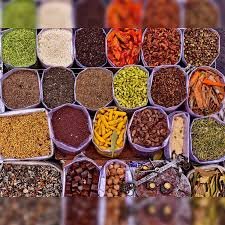
A core challenge they highlight is the intense volatility in raw material prices. For instance, wholesale spice prices surged by approximately 40% in the domestic market recently, with specific items like cumin (jeera) and black pepper hitting multi-year highs. This is due to factors like unseasonal rains reducing crop yields and farmers shifting to alternative crops. For a restaurant owner, this isn’t a distant news item; it’s the fluctuating weekly invoice from your supplier that directly threatens your food cost percentage. Empire Spices’ response—focusing on operational discipline, strong supplier relationships, and maintaining quality despite cost pressures—is a direct lesson in resilience.
Furthermore, the company operates in a highly fragmented and competitive market, facing pressure from both large organized players and local unorganized ones. Does this sound familiar? This is the exact landscape of the Indian restaurant industry, where you compete not just with the fine-dining establishment across the street, but also with the home chef on Instagram and the new cloud kitchen operating from a low-rent suburb. Their strategy to counteract this includes deep market knowledge, product innovation (like new blends and ready-to-use pastes), and an unwavering commitment to an established brand identity. These are not corporate buzzwords but essential survival tactics for any food business.
So, how does the experience of a spice manufacturer translate to your restaurant’s kitchen? The connection is direct and impactful. The challenges Empire Spices navigates at a macro level are the micro-level pressures that dictate your daily profitability and long-term viability.
Soaring Ingredient Costs and Shrinking Margins: You are on the front line of the raw material volatility they analyze. When the price of cumin or turmeric spikes by 40-50%, you can’t immediately increase the price of your signature biryani or curry without risking customer backlash. This squeeze is a primary reason restaurant profit margins are notoriously thin, often hovering around 3-5%. Effective cost control isn’t just an accounting task; it’s a core business strategy for survival.
The Fragmented Battle for Customer Loyalty: Rathi’s mention of the challenge in differentiating products in a crowded market echoes in every urban food corridor in India. The competition is no longer just the other restaurants on your street. It includes QSR chains, food delivery aggregators with their own private labels, and a plethora of dining options a swipe away on a smartphone. Building a distinctive identity and a loyal customer base in this environment is your biggest marketing challenge.
Operational Excellence as a Competitive Shield: Empire Spices’ healthy financial profile is supported by efficient operations and logistical networks. For you, operational excellence translates to minimizing food waste (which can be as high as 15% without proper systems), optimizing staff schedules to control labor costs (which can consume 25-35% of revenue), and streamlining everything from inventory to energy use. Inefficiencies here don’t just reduce profits; they can close your doors.
The Innovation Imperative: The growing demand for organic spices, new global flavors, and convenient blends in the FMCG space parallels the dining trends you must address. Consumers now seek hyper-local authenticity, wellness-focused menus (like millet-based dishes or vegan options), and unique dining experiences. Sticking to a static menu in this dynamic environment is a recipe for obsolescence.
Understanding the problem is half the battle. The other half is taking decisive, structured action. Here is a seven-step plan, drawn from successful business principles and our coaching experience, to help you build a more profitable and resilient restaurant.
1. Master Your Menu Engineering and Cost Control.
Don’t just cook; calculate. Perform a detailed cost analysis for every single menu item. Identify your “stars” (high-profit, high-popularity) and “puzzles” (high-profit, low-popularity). Use this data to strategically design your menu layout, promote high-margin items, and re-engineer or remove dishes that drain resources. At RestaurantCoach.in, we’ve helped clients reduce their food cost percentage by 5-8% through disciplined menu engineering alone.
2. Diversify and Strengthen Your Supplier Relationships.
Never rely on a single vendor for critical ingredients. Develop relationships with 2-3 suppliers for key items. This not only gives you negotiation leverage but also insulates you from supply shocks. Consider local sourcing for seasonal produce to reduce costs and enhance your farm-to-table story, a trend gaining significant traction.
3. Implement a Robust Inventory Management System.
Move from guesswork to data-driven decisions. Use a First-In, First-Out (FIFO) system and conduct regular inventory checks. Consider affordable digital tools or cloud-based POS systems that track inventory in real-time, helping to cut food waste—a major source of lost revenue.
4. Differentiate with a Clear and Authentic Brand Story.
In a crowded market, why you exist matters as much as what you serve. Are you the guardian of a forgotten family recipe? The pioneer of sustainable sourcing in your city? Emulate the clear brand philosophy of established players. Articulate your story on your menu, walls, and social media to build an emotional connection that transcends a single transaction.
5. Innovate Consistently, But Strategically.
Innovation doesn’t mean a complete overhaul every season. It can be introducing one new “chef’s special” every month that uses a trending ingredient (like jackfruit or millets). It can be creating a unique dining experience, like a live kitchen counter or a themed festival around a regional cuisine. Test new ideas as limited-time offers before committing them to the permanent menu.
6. Build an Army of Regulars, Not Just Customers.
As Rathi notes, the lifetime value from customer loyalty far outweighs short-term gains. Implement a simple but effective loyalty program. Train your staff to remember names and preferences. Personally engage with guests and actively seek feedback. A study shows that repeat customers can generate 65-80% of a restaurant’s sales, making them your most valuable asset.
7. Invest in Your Team to Reduce Costly Turnover.
The staffing crisis is real, with high turnover driven by long hours and lack of growth. Break the cycle. Invest in structured training and create clear career paths. As industry experts note, fostering respect, fair scheduling, and a positive culture is key to retention. A stable, skilled team improves service consistency, reduces re-training costs, and directly enhances the customer experience.
Previous Post
The Indian food and beverage (F&B) industry is buzzing with news that has significant implications…
Maharashtra PNG Supply Hike: A Restaurant Coach’s Guide to Relief and Resilience For restaurant owners…
The Fast-Food Diabetes Link: What Telangana’s Health Warning Means for Your Restaurant’s Future As a…
As restaurant business coaches in India, we at RestaurantCoach.in spend a lot of time in commercial kitchens.…

Founded in 2015 by seasoned restaurant professionals who understood the challenges faced by food entrepreneurs in India, Restaurant Coach began as a vision to democratize restaurant success.

Founded in 2015 by seasoned restaurant professionals who understood the challenges faced by food entrepreneurs in India, Restaurant Coach began as a vision to democratize restaurant success. After witnessing countless talented chefs and passionate food lovers struggle with business aspects of restaurant operations, our founders decided to bridge the gap between culinary passion and business acumen.