Swiggy’s Toing Enters Delhi NCR: A Restaurant Coach’s Guide to Protecting Your Margins
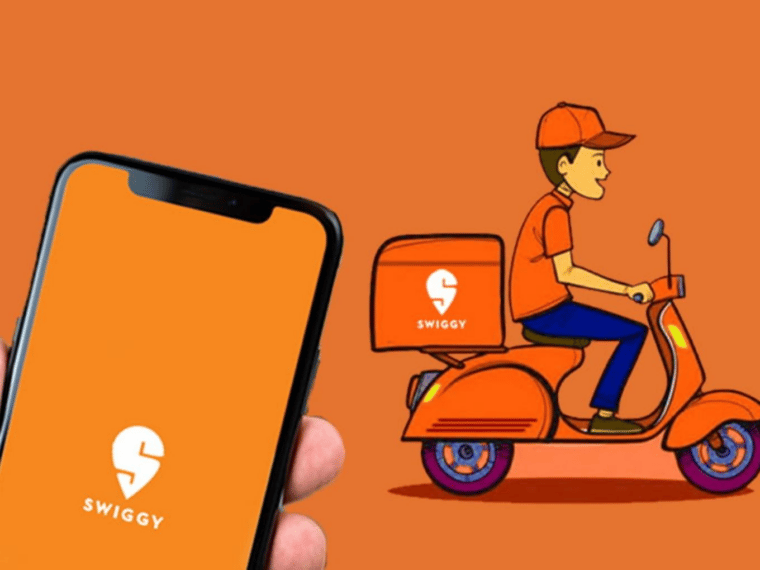
The news is out: Swiggy has officially rolled out its budget-friendly app, Toing, across Delhi NCR, promising customers “no packaging charges” and “zero platform fees” . For the average consumer, this sounds like a win. But if you are a restaurant owner in Delhi, Gurugram, Noida, or Ghaziabad, you are probably wondering the same thing we did here at RestaurantCoach.in: Where will that discount come from?
swiggy
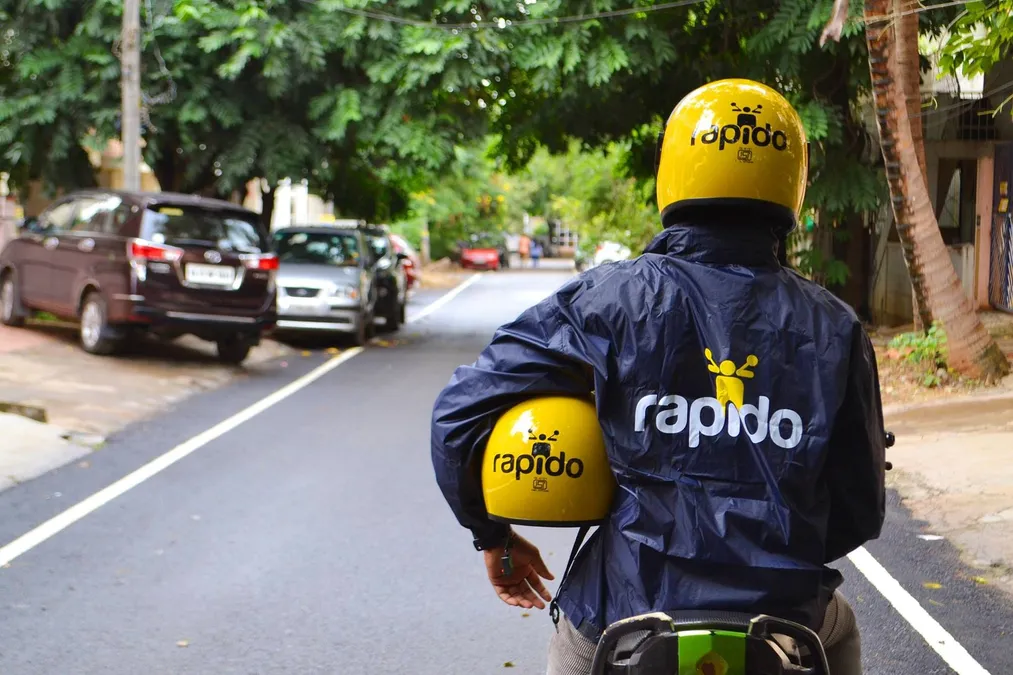
At first glance, Toing looks like just another player in the increasingly crowded “value delivery” space, competing with the likes of Zepto Cafe and Rapido’s Ownly . However, beneath the surface, this “zero-fee” model represents a significant shift in the dynamics of the Indian food delivery market. While it targets Gen Z and college students with meals under ₹99, it poses a critical question for restaurant owners: Is this a new sales channel, or a new threat to your already thin margins?
In this post, we’ll break down the Toing strategy, analyze its direct impact on your restaurant business, and give you a concrete action plan to ensure you aren’t left delivering food at a loss.
The “Toing” Strategy: More Than Just a Discount App
To understand the impact, we first need to look at what Toing actually is. Launched in late 2025, Toing is Swiggy’s standalone app designed specifically for the “value-conscious” customer . It has rapidly expanded to 11 cities, and its entry into the highly competitive Delhi NCR market is a major escalation.
The core proposition is simple and aggressive:
-
Zero Platform Fees: Unlike the main Swiggy app, which charges a fee per order (currently around ₹15-₹20), Toing currently waives this entirely.
-
Zero Packaging Charges: Those little charges that add up to the final bill? Gone.
-
Price Match Guarantee: Toing claims that the item prices on its app match—or are lower than—what a customer would pay if they walked into your restaurant and sat down .
Swiggy is positioning Toing as a “low-cost marketplace” to tap into the massive base of students and first-time earners in educational hubs like Delhi NCR . They’ve onboarded a mix of national chains (KFC, Behrouz Biryani) and beloved local players (Bikanervala, Om Sweets & Snacks) to drive adoption .
But here is the hard truth we share with our coaching clients: The “zero-fee” model is a lever. And if that lever isn’t pulling in profit from volume, it will eventually be pulled from your end of the table.
How Does This Impact Indian Restaurant Owners?
This is the million-rupee question. While Toing is currently in a “customer acquisition” phase, absorbing the costs to build a user base, the long-term implications for your restaurant are significant.
1. The Race to the Bottom on Pricing
Toing’s promise to match “restaurant table prices” is a double-edged sword. For years, restaurateurs have discreetly increased prices on aggregator apps to offset high commissions. This practice, known as “menu inflation,” helped you maintain a semblance of profitability on delivery orders.
Toing’s model challenges this directly. If a customer sees that your dish is ₹250 on Swiggy/Zomato but only ₹200 on Toing (matching your dine-in price), they will switch platforms. This puts pressure on you to standardize your pricing across all channels. While the customer pays less, your buffer against high commissions disappears.
2. The “New” Economics of Delivery
Let’s do some quick math. On a standard order via Swiggy, a restaurant might pay a commission of 18-25%, plus GST, plus a platform fee (indirectly), and often a marketing/promotion fee . On a ₹500 order, the restaurant might net around ₹350-₹380.
On Toing, the promise is that the customer pays the same as dine-in. But Toing still needs to make money. Eventually, they will need to monetize. This usually happens in two ways:
-
Increasing restaurant commissions: Toing could eventually raise its commission structure, and because your prices are already “low” on the app, you have no room to adjust.
-
Charging for visibility: Similar to other platforms, Toing may soon ask restaurants to pay for better ranking, further eroding margins.
3. Brand Dilution and Customer Ownership
This is the biggest risk we discuss in our coaching sessions at RestaurantCoach.in. When a customer orders via Toing, they are Toing’s customer, not yours. They are loyal to the lowest price, not to your biryani or your service. If another app comes along tomorrow that is ₹5 cheaper, they are gone.
By participating heavily in these price wars, you train your customers to ignore your brand value and focus solely on discounts. You give away your most valuable asset—the direct relationship with the diner.
7 Action Steps for Restaurant Owners to Navigate the Toing Wave
So, how do you respond? Ignoring Toing isn’t an option, as it will have a significant user base. But diving in blindly could be disastrous. Here is your action plan.
1. Audit Your Current Delivery Profitability
Before signing up for any new platform, you must know your numbers.
-
Action: Calculate your “Net Realization” per order on Swiggy and Zomato. Compare it to your dine-in margin.
-
Next Step: Use this as a baseline. If Toing offers a lower introductory commission, but forces you to match dine-in prices, will you actually make more money, or just more work?
2. The “Brand Match” vs. “Price Match” Strategy
If you decide to list on Toing, you cannot just copy-paste your strategy from other apps.
-
Action: Create a “Value Delivery Menu.” Instead of putting your entire dine-in menu on Toing, curate a selection of high-volume, high-margin dishes (like specific biryanis, burgers, or combos) that can sustain the economics. This protects your flagship dishes from being devalued while giving the platform what it wants: affordable options.
3. Standardize Your Packaging
Toing’s “no packaging fee” pitch means you cannot rely on that small charge to cover your costs.
-
Action: Review your packaging costs. If you are paying ₹15 for a high-end container, that cost is now fully on you. Source cost-effective, brand-appropriate packaging that doesn’t eat into your profit on a sub-₹99 order.
4. Invest Heavily in “Direct Orders”
The antidote to aggregator dependency is owning your customer channel.
-
Action: Double down on WhatsApp ordering and your own website/app.
-
Incentivize: Include a small “freebie” (like a free drink or dessert) with direct orders.
-
Use Data: Collect phone numbers from every delivery order (through bills or feedback forms) and build your own database. We’ve helped numerous restaurant owners at RestaurantCoach.in build simple WhatsApp ordering systems that turned 15% of their aggregator customers into profitable direct customers within six months.
5. Optimize Your Catchment Area Marketing
Toing is targeting specific geographic clusters and educational hubs.
-
Action: Fight fire with fire. If you are near a college campus, run targeted Instagram or WhatsApp campaigns specifically for that college. Offer a student discount for direct pick-up or delivery orders. Be present where your customers are, but on your terms.
6. Renegotiate with Existing Aggregators
The entry of a new player (Toing, Ownly) gives you leverage.
7. Join Industry Bodies Like NRAI
Collective bargaining power is real. The National Restaurant Association of India (NRAI) has been actively fighting for fair policies for restaurants .
Expert Coach Perspective: Building a Resilient Delivery Model
In my years of coaching food entrepreneurs, one thing remains constant: aggregators are a utility, not a strategy. They are the digital equivalent of a telephone line—necessary to have, but they shouldn’t define your business.
The launch of Toing signals a “Barbell Strategy” in the market. At one end, you have premium, high-speed delivery (Snacc, Blinkit). At the other, you have ultra-low-cost delivery (Toing, Ownly). As a restaurant owner, you must decide where you fit.
Our advice? Don’t get stuck in the middle.
If you compete on Toing, you are committing to a volume game with razor-thin margins. Your entire operation—kitchen speed, procurement, packaging—must be optimized for efficiency. If you can’t do volume, you shouldn’t be on the platform.
Alternatively, focus on the “premium” experience. Offer dishes and service that simply cannot be compared on the Toing app. If a customer wants a cheap burger, they go to Toing. If they want your signature burger, they come to you directly.
This is the balance we teach. It’s about building a brand that people seek out, rather than one they stumble upon in a list.
Conclusion
Swiggy’s Toing launch in Delhi NCR is a pivotal moment. It proves that the “value customer” is the next big battleground for food delivery. For you, the restaurant owner, it presents both a potential sales channel and a significant risk to your brand equity and profitability.
The key takeaway is this: Participate strategically, not emotionally. Know your costs, protect your brand, and relentlessly build your direct customer channel. Don’t let the allure of “zero fees” blind you to the long-term goal of building a sustainable, profitable business.
Need expert guidance to navigate these industry changes and build a delivery strategy that actually protects your profits?
Our restaurant coaching programs at RestaurantCoach.in are designed specifically for Indian food entrepreneurs like you. We help you move from being dependent on aggregators to building a powerful, profitable brand.
[Click here to book a free consultation] and let’s transform your restaurant vision into reality.
Frequently Asked Questions (FAQ)
Q: Should I delist my restaurant from Swiggy and Zomato and only use Toing?
A: Absolutely not. Putting all your orders on one platform is risky. Toing targets a specific demographic (value-conscious, Gen Z). Your presence should be multi-platform, but your strategy should be tailored to each. Use Toing for volume and visibility, but use your own channels for profitability.
Q: How can I compete with Toing’s “under ₹99” pricing?
A: You don’t have to compete on price; you compete on value. If you put a ₹99 item on your menu, ensure it is a high-margin item or a “loss leader” designed to get customers in the door. Alternatively, bundle items. A ₹199 combo that feels like a steal is often better than a solo ₹99 item.
Q: Is the zero-fee model sustainable for Swiggy?
A: In the long term, likely not. This is a customer acquisition strategy. Once they have a solid user base, they will need to find revenue streams, likely by increasing commissions or introducing new fees. Be prepared for the terms to change in 12-18 months.
 Demos
Demos  Colors
  Docs
Docs  Support