Demos
Demos  Colors
  Docs
Docs  Support
Home 15
Newly Added


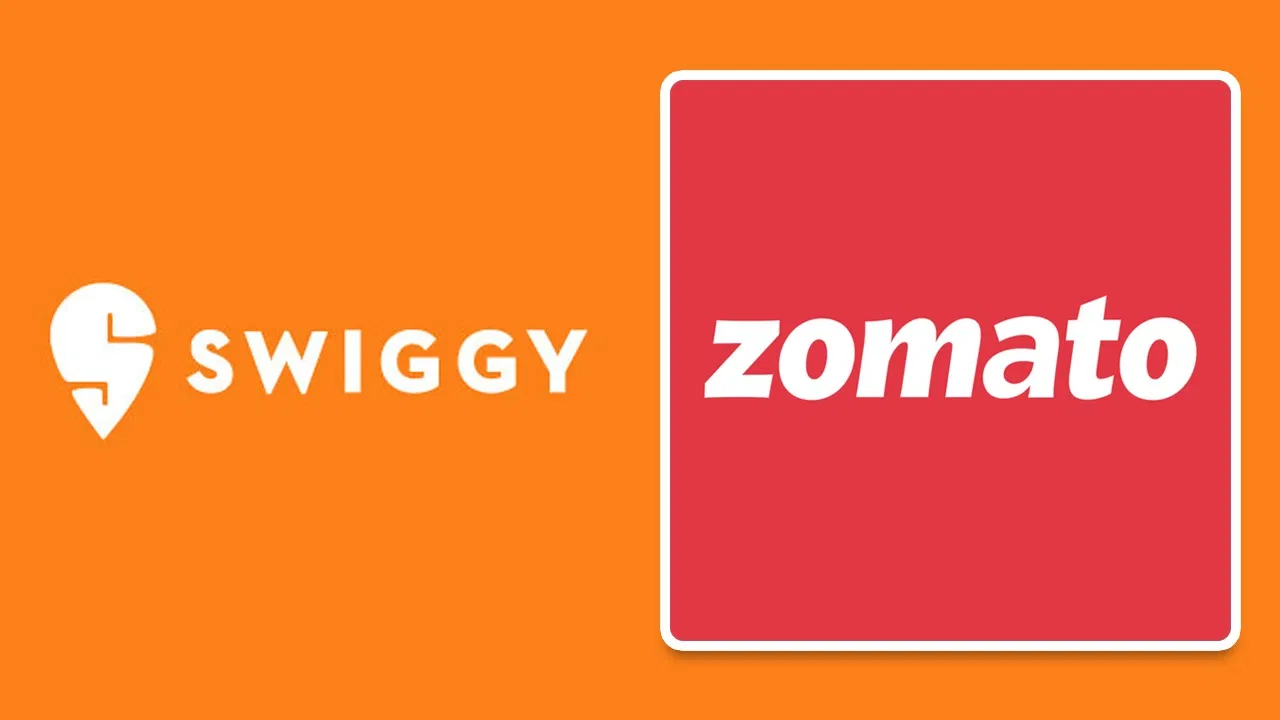
It’s happened again. Just as we were all getting used to the last round of fee increases, Swiggy has raised its platform fee to ₹17.58 per order. This move, following a similar hike by Zomato, signals a clear trend: the era of subsidized customer acquisition through food aggregators is over.
Swiggy
For the average customer, an extra ₹2-3 per order might seem insignificant. But for you, the restaurant owner, this news is a critical data point. It’s not just a headline about a corporate decision; it’s a direct signal about the shifting landscape of your business. Every time an aggregator raises fees, it changes customer behavior, impacts your net realization per order, and forces you to rethink your dependency on these platforms.
At RestaurantCoach.in, we’ve been tracking these developments closely. We’ve helped dozens of restaurant owners across India navigate similar challenges, from skyrocketing commission rates to the recent introduction of platform fees. Our experience shows that the restaurants who survive—and thrive—are not those who simply absorb these costs, but those who use these moments to build a more resilient, customer-centric, and profitable business model.
This blog post will break down the recent fee hikes, explain their real impact on your bottom line, and provide a step-by-step action plan to help you take back control of your business. Let’s get started.
If you’ve been following the news, you’ll know that the food delivery space is witnessing a subtle but significant pricing war—and it’s not the kind that benefits restaurant owners. First, Zomato increased its platform fee by ₹2.40 per order, bringing its pre-GST fee to ₹14.90. Within days, Swiggy followed suit, raising its fee to ₹17.58 per order (including GST), a nearly 17% jump from its previous charge of ₹14.99.
These fees are presented to customers as a necessary charge to “operate and maintain” the platform. While they appear small on a single order, they add up. For a customer who orders twice a week, this translates to an additional ₹1,500-₹2,000 in their annual food delivery bill.
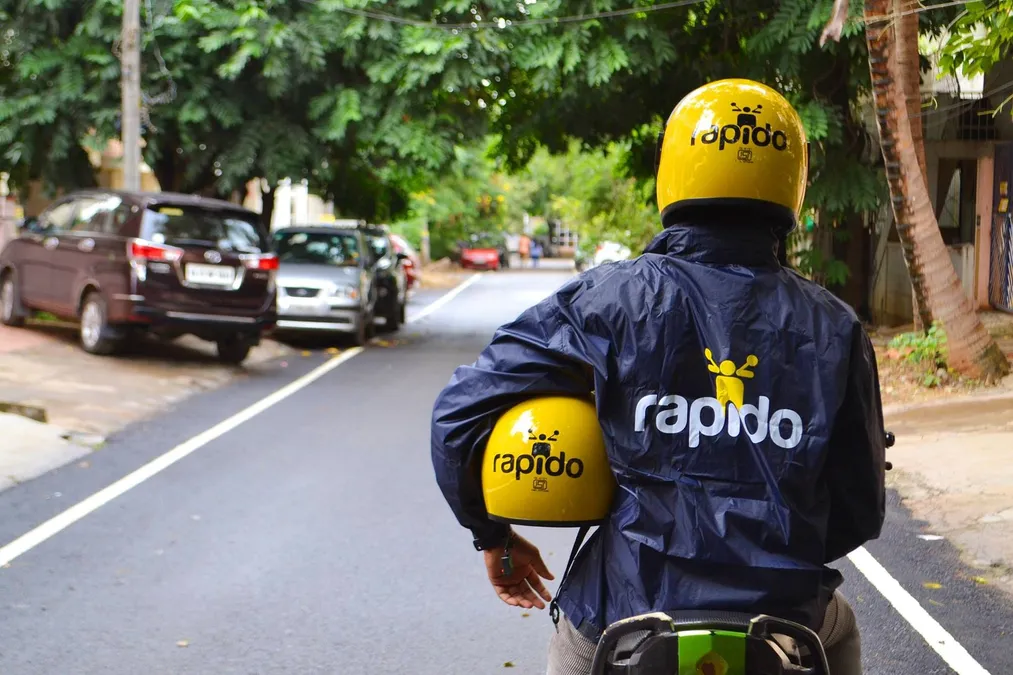
But the story goes deeper. This move isn’t just about covering operational costs. It’s a strategic response to a changing market. The timing is particularly interesting, coinciding with the entry of new players like Rapido (with its service, Ownly) in cities like Bengaluru. New entrants are trying to lure customers with promises of no extra platform fees, creating a fascinating dynamic.
For you, the restaurant owner, this means you are now operating in an ecosystem where:
Aggregators are trying to become profitable after years of heavy discounting.
Customer acquisition costs are shifting from the aggregator to the end customer, but the operational burden remains on you.
New competitors are emerging, potentially forcing established players to change their pricing models again in the near future.
Understanding these forces is the first step to building a strategy that doesn’t leave your business vulnerable to the whims of a few corporate entities.
When Swiggy and Zomato increase their platform fees, the impact on your restaurant isn’t always obvious. It’s a ripple effect that starts with the customer and ends with your profit margin. Here’s how it directly affects you:
Every extra rupee a customer pays on the Swiggy or Zomato app increases their sensitivity to the total order value. They might start:
Comparing prices more aggressively between Swiggy and Zomato.
Reducing order frequency, especially for smaller-value orders.
Abandoning their cart at checkout when they see the final bill.
Looking for alternatives like ordering directly from you.
This means your existing orders on aggregator platforms could become more fragile and less predictable.
You are already paying a commission (anywhere from 15-30% plus GST) to these platforms. The platform fee is an additional charge that does not go into your pocket. It’s a tax on the transaction that your customers pay, which can make them feel like your food is becoming too expensive. This can indirectly pressure you to offer more discounts or promotions to keep orders flowing, further eroding your net realization.
With a new player like Rapido entering the scene and promising no platform fees, the competitive dynamics are shifting. If a significant portion of customers in a city like Bengaluru start switching to a cheaper platform, Swiggy and Zomato may feel compelled to adjust their fee structure again. This creates an unstable environment for your business planning.
When a customer’s primary interaction with your restaurant is through a platform that keeps adding fees, their loyalty is to the platform, not to your brand. The app’s interface, the delivery tracking, and the platform’s policies become the face of your business. You are, in essence, paying high commissions and now absorbing the impact of platform fees, all while the aggregator builds a stronger relationship with your customer.
In our coaching sessions at RestaurantCoach.in, we often use a simple analogy: Relying on aggregators is like building your house on rented land. It might provide a quick roof over your head, but you’ll never have true ownership or control.
This news is a wake-up call, not a reason to panic. It’s time to implement strategies that reduce your dependency on aggregators and build a more sustainable business. Here are 7 specific, actionable steps you can take starting today.
This is the single most important step you can take. A direct ordering system—via your website, a WhatsApp number, or a simple app—allows you to bypass aggregator commissions and fees entirely.
Next Step: Invest in a low-cost, integrated ordering system. Many software providers in India offer a branded app or website with integrated payment gateways for a small monthly fee. The cost of this is often less than the commission on 10-15 orders.
To encourage customers to switch from aggregators to you, you need a compelling incentive. Don’t just match the aggregator’s prices; beat them.
Next Step: Offer a “10% off” or “Free delivery” code exclusively for customers who order through your website or call. Make the code “ORDERDIRECT” or “SAVE10”. Promote this code on your packaging, your social media, and even in the notes you slip into delivery bags.
It’s time for a hard look at your menu. Are you pricing items correctly to account for commissions and fees?
Next Step: Create a “Dining” menu and a separate “Delivery” menu. Your delivery menu should be priced slightly higher to absorb the platform costs while maintaining your profit margins. This is a standard and accepted practice in the industry.
Your most loyal customers are your biggest asset. They are the ones most likely to switch to a direct ordering channel if you make it easy and rewarding for them.
Next Step: Identify your top 20% of customers (you can get this data from aggregators’ reports). Reach out to them personally (via WhatsApp or SMS) with a special “VIP Offer” if they place their next order directly with you. Build a simple customer database.
Takeaway orders have zero commission. If your restaurant is in a location with decent footfall, promote takeaway as a convenient, cost-effective option.
Next Step: Place an A-frame sign outside your restaurant promoting your takeaway specials. Offer a “10% discount on takeaway orders” to incentivize customers to skip the delivery app and come directly to you.
Use the data available on your Swiggy and Zomato dashboards to understand your business. Which items are most profitable? Which areas are your orders coming from?
Next Step: Look at your customer repeat rate. If it’s low, you are merely renting customers. Use this data to tailor your direct-order marketing efforts. If most of your orders come from a specific locality, consider running a hyper-local ad campaign on WhatsApp for that area, promoting your direct ordering service.
The ultimate goal is to make your brand strong enough that customers will seek you out directly, rather than finding you on an app.
Next Step: Focus on your packaging. A unique, well-designed box with your logo and a friendly message can create a lasting impression. Encourage customers to share their meal on social media and tag your page. Invest in high-quality photos of your food for your own website and Instagram. Your brand should be the first thing a customer thinks of, not the app.
Over the years, we’ve seen a recurring pattern in the Indian restaurant industry. When a new challenge emerges—be it a pandemic, a new tax, or a fee hike—the restaurants that come out stronger are those that adapt proactively.
The aggregators have played a crucial role in expanding the food delivery market in India. They’ve helped you reach customers you might never have accessed on your own. But their business model is now shifting. They are under immense pressure from their investors to show profitability. This means the era of low-cost customer acquisition through these platforms is over.
Here’s the strategic truth: the platform fee hike is not about a few rupees. It’s a signal that your cost of doing business on these platforms will only go up. You cannot build a long-term, profitable business if your entire model depends on the pricing decisions of two companies in Bengaluru.
This is why at RestaurantCoach.in, we focus so much on brand building, operational efficiency, and direct customer relationships. We’ve seen our coaching clients successfully implement these strategies and transform their businesses. A cloud kitchen owner in Gurugram we worked with went from 90% of orders on aggregators to 40% in just six months by aggressively promoting their own app. Not only did their margins improve by over 20%, but they also gained a wealth of customer data they could use to personalize offers and drive repeat business.
The road ahead requires you to be more than just a great cook. It requires you to be a savvy business owner who understands your marketing channels, your unit economics, and your customer. The platform fee hike is a challenge, but it’s also an incredible opportunity to take back control.
The news of Swiggy and Zomato hiking platform fees is a clear and present reminder: the aggregator model is a tool, not a business strategy. It’s a valuable channel to reach new customers, but it shouldn’t be the foundation of your restaurant’s success.
The key takeaways for you today are:
Acknowledge the shift: Accept that aggregator costs are rising and will likely continue to rise.
Take action: Implement the 7 steps above to build your direct ordering channel and loyalty program. Start small, but start today.
Focus on your brand: The stronger your brand, the less reliant you are on any third-party platform.
Don’t wait for the next fee hike to catch you off guard. The most successful restaurant owners are proactive, not reactive.
Need expert guidance to navigate these industry changes? At RestaurantCoach.in, we specialize in helping Indian food entrepreneurs build profitable, sustainable businesses that aren’t held hostage by aggregator policies. From profit maximization to brand building, our coaching programs are designed to transform your restaurant vision into a thriving reality.
Contact us today for a free consultation and discover how we can help you take the next step toward financial independence and lasting success.
Previous Post
Next Post
The Indian food business is often romanticized, but the reality is that it’s a battlefield…
The news is out, and it’s creating quite a buzz in the Indian food and…
Swiggy vs Zomato Q3 Results: What It Means for Restaurant Owners The latest quarterly results…
Swiggy’s Toing Enters Delhi NCR: A Restaurant Coach’s Guide to Protecting Your Margins The news…

Founded in 2015 by seasoned restaurant professionals who understood the challenges faced by food entrepreneurs in India, Restaurant Coach began as a vision to democratize restaurant success.

Founded in 2015 by seasoned restaurant professionals who understood the challenges faced by food entrepreneurs in India, Restaurant Coach began as a vision to democratize restaurant success. After witnessing countless talented chefs and passionate food lovers struggle with business aspects of restaurant operations, our founders decided to bridge the gap between culinary passion and business acumen.