Demos
Demos  Colors
  Docs
Docs  Support
Home 15
Newly Added

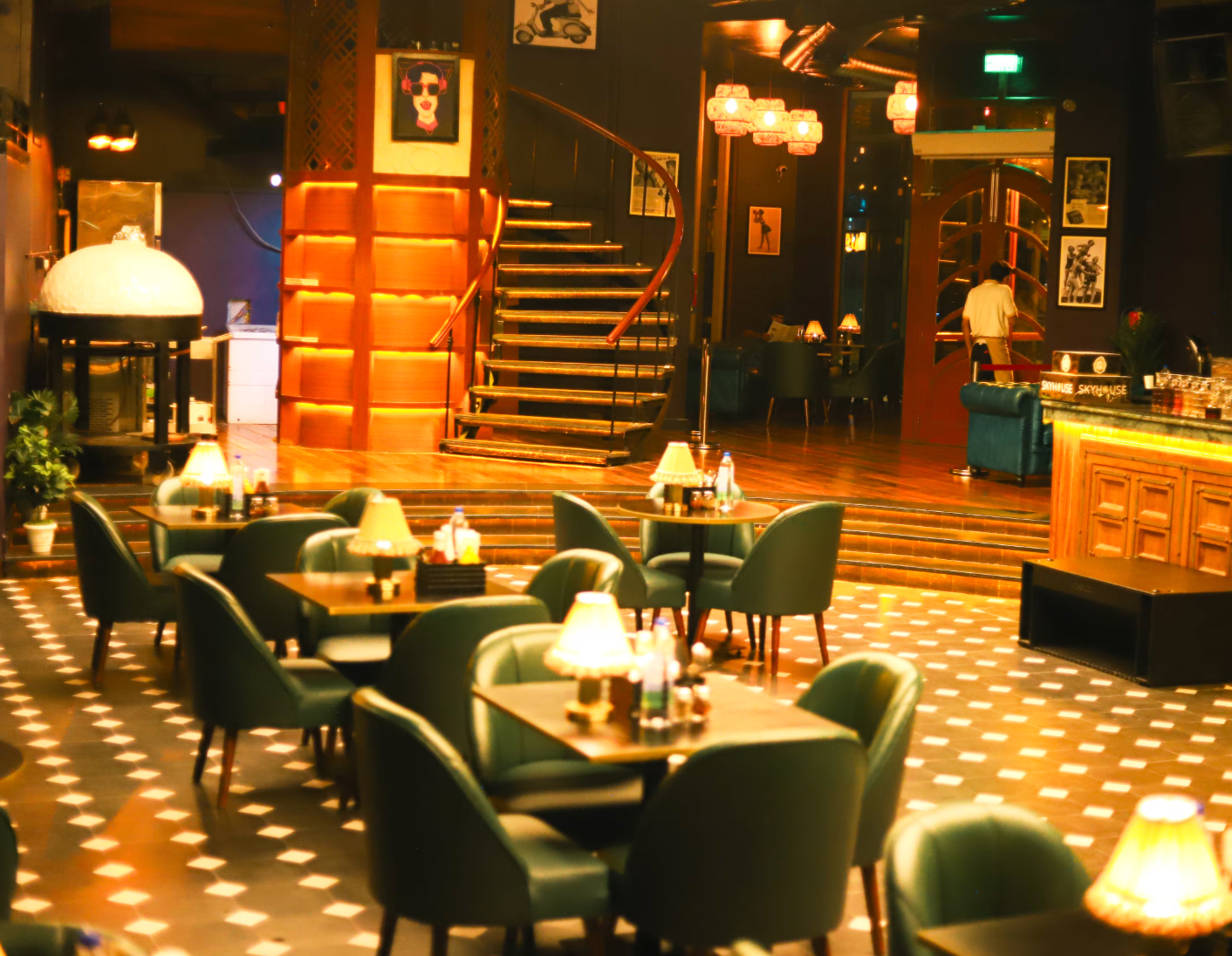

For restaurateurs, news of a traffic nightmare is usually a nightmare for business, too. But the recent chaos at Delhi’s Sabz Burj roundabout, fueled by the opening of four new cafes at Sunder Nursery, tells a different story. It’s a powerful case study in unlocking extraordinary customer demand and building a brand that people will navigate chaos to experience[citation:0].
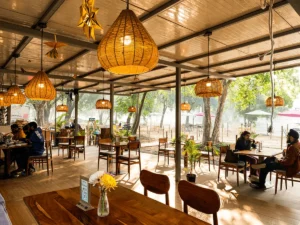
sunder nursery hub
At RestaurantCoach.in, we analyze these real-world shifts to extract actionable strategies for our clients. The conversation around Sunder Nursery isn’t just about commercialisation versus green space; it’s a live demonstration of what today’s Indian diner craves: authentic experiences, community connection, and Instagrammable environments[citation:0]. For restaurant owners across India—from Mumbai’s bustling lanes to Bangalore’s tech hubs—this story reveals how to adapt and thrive in a market where experience is the new currency. We’ll break down the core lessons and provide a clear roadmap to apply them to your business.
Sunder Nursery, a 90-acre heritage park near Humayun’s Tomb, was always a serene escape. Its recent transformation with cafes like Cortasso Coffee & Bake House, Cafe Dori, and Perch Wine and Coffee Bar has created a “cafe street” that’s become Delhi’s newest hotspot[citation:0]. This shift from quiet park to vibrant F&B destination wasn’t accidental.
Strategic Repurposing: The cafes were built in a previously “nondescript” government workshop, adhering to rules against new construction by using the existing structure. This shows innovation within constraints[citation:0].
Experience-First Design: Owner Ashish Ahuja of Cortasso didn’t just open a cafe; he aimed to create a “space that spoke of communities mingling,” integrating the heritage of the Nursery and Tomb into a contemporary vibe[citation:0]. This authentic narrative is key to standing out.
The “It” Factor: Patrons like Muskan and Surbhi didn’t just come for coffee. They came for the “authentic Delhi-ness”—the vibe, the like-minded crowd, and the sense of community, proving that people seek emotional connection with their dining spots[citation:0].
Despite the logistical headaches of parking and traffic—issues that predate the cafes—the demand is undeniable, with each spot seeing 350-400 customers daily[citation:0]. This highlights a crucial truth for all food businesses: when you create a powerful enough destination, customers will overcome significant friction to get there.
So, how does a story about Delhi park cafes affect a restaurant owner in Hyderabad, a QSR in Pune, or a cloud kitchen in Bangalore? The implications are profound and universal.
1. The Death of the “Food-Only” Model: Customers no longer just buy a meal; they buy an experience, an atmosphere, and a sense of belonging. The Sunder Nursery cafes thrive because they offer an escape and a community hub. If your restaurant’s value proposition is solely based on the plate, you’re vulnerable. As one visitor noted, they’d “happily make the trek again” despite traffic and air quality, for the experience alone[citation:0].
2. Location is About Vibe, Not Just Footfall: Traditional wisdom says high footfall equals success. The new wisdom, demonstrated here, is that a unique, destination-worthy vibe can create its own footfall. Your location strategy must now consider ambiance, storytelling potential, and the overall “feeling” of the area, not just raw pedestrian counts.
3. Navigating the Commercialisation Paradox: There’s public criticism of “over-commercialisation”[citation:0]. This mirrors a challenge every scaling restaurant faces: how to grow without losing the soul that made you special. The successful cafes here are threading this needle by embedding community elements—like Cortasso’s community bookshelf—into their commercial model[citation:0].
4. Operational Challenges Amplify: Success brings its own problems. The traffic and parking issues at Sunder Nursery are a stark reminder that operational scalability is non-negotiable. Your kitchen flow, staffing plans, and supply chain must be designed not just for today, but for the success you aim to achieve tomorrow. Inefficient operations are a primary reason many restaurants struggle, with high costs crippling profitability.
Turning these insights into action is where the real work begins. Here is a step-by-step plan you can implement, whether you’re launching a new concept or reinventing an existing one.
1. Conduct a “Vibe & Experience” Audit.
Look at your restaurant through your customers’ eyes. Is every touchpoint—from your Instagram page to the greeting, the music, the plating, and the goodbye—crafting a cohesive, memorable feeling? Document the emotional journey you want customers to have and identify gaps.
2. Uncover and Amplify Your Authentic Story.
What is your unique narrative? Is it a family recipe, a focus on hyper-local ingredients, a specific culinary technique, or a cultural theme? Like the Sunder Nursery cafes that weave heritage into their design, your story must be woven into everything—your decor, menu descriptions, and staff training. At RestaurantCoach.in, our concept development phase always starts with excavating this core story to build a brand that resonates deeply.
3. Design for Community, Not Just Consumption.
Create reasons for people to connect. This could be:
A regular event (live music, quiz nights, chef’s table).
A community feature (a bookshelf, board games, a local art display).
A loyalty program that fosters a “club” feeling.
The goal is to transform customers into a community of regulars, who are responsible for 65-80% of a healthy restaurant’s sales.
4. Master the Economics of Experience.
Enhancing experience must be financially sustainable. Streamline your menu to reduce waste and focus on high-margin, signature items that support your story. Implement tight inventory controls—technology can cut food waste by up to 15%. Every rupee saved on inefficiency is a rupee you can reinvest into customer experience.
5. Build an Operations Engine for Scale.
Your kitchen and service systems must be robust. Develop clear Standard Operating Procedures (SOPs) for every process. Invest in staff training—restaurants with strong training programs see 23% higher profit per employee. A motivated, well-trained team is the frontline of your customer experience.
6. Leverage Digital as Your Gateway.
Over 94% of diners check reviews before visiting. Manage your online reputation proactively. Use social media not just to post food photos, but to tell your story and showcase your vibe. High-quality, authentic content is your digital storefront.
7. Plan for Success-Based Challenges.
Proactively identify potential bottlenecks: Is your kitchen layout optimal for higher volume? Do you have a parking or waiting area strategy? Do you have backup suppliers? Simulate peak demand to find weaknesses before your customers do.
In our combined 100+ years of coaching restaurants across India, we’ve seen a definitive shift. The old model of competition was based on food and price. The new model, as Sunder Nursery proves, is based on owning a niche experience. The cafe owners there aren’t just competing with other cafes on price; they’re competing for a share of their customers’ leisure time and social identity.
The Indian restaurant industry is booming, valued at over $85 billion and growing at 15% annually. But within this growth lies a paradox: while the market expands, individual failure rates remain alarmingly high, with an estimated 73% of restaurants struggling to survive. The divide between winners and losers increasingly comes down to this ability to create a differentiated, scalable experience.
The owners who succeed are those who work on their business, not just in it. They move from being chefs or managers to being CEOs of Experience. They embrace data, systematize operations, and constantly evolve without losing their core essence. This is why, in our coaching programs at RestaurantCoach.in, we focus as much on leadership mindset and strategic planning as we do on menu engineering and cost control. The business has changed, and the owner’s role must evolve with it.
The story of Sunder Nursery’s cafes is ultimately a story of audacious success born from a powerful concept. It validates that Indian diners are eager for meaningful, well-executed experiences. The traffic jam is just a symptom of immense, unlocked demand.
Your restaurant can generate that same magnetic pull. It starts by defining your unique vibe, embedding a compelling story, and building operational excellence to support the growth that will follow. Don’t just sell a meal; curate an experience worth traveling for.
Q1: My restaurant is in a regular market area, not a heritage park. Can I still apply these ideas?
Absolutely. The “vibe” is internal, not just external. You can create a distinct micro-experience inside your four walls through focused theme, music, staff attitude, and community events. Your unique story is your heritage.
Q2: Won’t focusing on “experience” and aesthetics skyrocket my costs?
Not if done strategically. Experience is often about consistency, storytelling, and staff warmth more than expensive interiors. Streamlining your menu (which reduces food costs) and improving operations often frees up the budget needed for targeted experience enhancements.
Q3: I run a cloud kitchen. Does this “destination” concept apply to me?
Yes, but differently. Your “experience” is delivered in the packaging, the accuracy of the order, the speed, and the digital interaction. Your branding and story must be communicated powerfully through your app listings and social media to create a destination in the customer’s mind before the food arrives.c
The Indian food service industry is witnessing a fascinating shift. Homegrown brands are no longer…
The recent buzz around Indiranagar, Bangalore—where several popular cafes are reportedly restricting laptop usage—has sparked…
As a restaurant business coach working with food entrepreneurs across India, I’ve seen a recurring…
The Indian restaurant industry thrives on energy, passion, and a connection with its customers. So,…

Founded in 2015 by seasoned restaurant professionals who understood the challenges faced by food entrepreneurs in India, Restaurant Coach began as a vision to democratize restaurant success.

Founded in 2015 by seasoned restaurant professionals who understood the challenges faced by food entrepreneurs in India, Restaurant Coach began as a vision to democratize restaurant success. After witnessing countless talented chefs and passionate food lovers struggle with business aspects of restaurant operations, our founders decided to bridge the gap between culinary passion and business acumen.