Demos
Demos  Colors
  Docs
Docs  Support
Home 15
Newly Added


Forget chasing fleeting global fads. If you’re an Indian restaurant owner, the most significant opportunity for 2026 is sitting right in your own backyard. In a recent discussion on future food trends, celebrated chef and MasterChef India judge Kunal Kapur made a powerful prediction: the trend towards authentic regional Indian cuisine will gather more steam in 2026, while forced, copycat trends like “matcha-in-everything” should fade out.
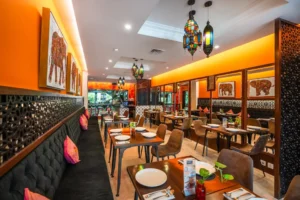
indian restaurant
As a restaurant business coach, I see this not just as a passing trend, but as a fundamental and profitable shift in the Indian dining landscape. Diners are no longer satisfied with generic “Indian” labels. They crave stories, specificity, and the genuine flavours of home—even if that home is a region they’re discovering for the first time. This is a golden chance for savvy restaurateurs in Mumbai, Delhi, Bangalore, and beyond to differentiate themselves, command better prices, and build a loyal customer base. Let’s break down what this means for your business and how you can lead this change.
Chef Kapur’s insight cuts to the core of a long-standing challenge: Indian cuisine has been unfairly typecast. For too long, menus worldwide have been limited to a narrow repertoire of butter chicken, dal makhani, and garlic naan. Kapur argues that this overlooks the immense, breathtaking diversity of India’s culinary map.
The trend he highlights is about a deep, authentic exploration. It’s not fusion or molecular gastronomy for the sake of it. It’s about chefs—whether in five-star hotels or emerging cloud kitchens—concentrating on sourcing produce from specific states or communities and highlighting those dishes with integrity. The success of restaurants like Semma, which earned a Michelin star by doing South Indian food right, proves this model has prestige and profitability.
Furthermore, Kapur points out that this movement is democratising fine dining. Just as street foods like gol gappa and chaat were elevated and adopted by high-end restaurants years ago, we can now expect dishes from the interiors of Madhya Pradesh or the coasts of Kerala to find pride of place on sophisticated menus. The question from discerning diners is changing from “What is mutton korma?” to “Kahan ka, konsa, kiska?” (From where, which one, and whose?). This hunger for specificity is your new business opportunity.
This shift from generic to granular impacts every segment of India’s food service industry. Here’s what it means for you:
For Established Restaurant & Cafe Owners: Your competition is no longer just the other “Indian restaurant” down the street. It’s the new, hyper-specialised eatery telling a compelling regional story. A generic menu is now a liability. This trend allows you to redefine your brand, attract food-loving “explorers,” and reduce direct competition by owning a specific niche.
For QSR & Cloud Kitchen Operators: Speed and convenience are your strengths, but depth is now your opportunity. Think beyond “vegetarian” and “non-vegetarian” thalis. Why not a Bihari Litti Chokha Bowl, a Malvani Fish Thali, or a Rajasthani Dal Baati Churma combo designed for delivery? Yelp’s 2026 trend report notes surging searches for “Indian bowls” and “tiffin services,” indicating a market ready for regional, packaged authenticity.
For Food Entrepreneurs & Start-ups: This is your green field. The barrier to entry is knowledge and authenticity, not just capital. A concept built around the pickles of Punjab, the street food of Indore, or the vegetarian delights of Gujarat has a powerful story from day one. As Kapur notes, even pickle-making, a deeply Indian craft, is awaiting its celebration.
The Global Context: This isn’t just an Indian phenomenon. International trend reports for 2026 are drilling down into “next-gen Indian” and specific regional specialties like Keralan cuisine, rather than broad categories. By mastering regional cuisine locally, you build a brand with inherent potential for global storytelling and expansion.
Knowing the trend is one thing; capitalising on it is another. Here is your 7-step action plan:
Audit Your Roots & Story: What is your culinary heritage? Do you, your chef, or a family member have a connection to a specific region? That personal story is your most valuable asset. Start there.
Specialise, Don’t Generalise: You don’t need to overhaul your entire menu. Begin by introducing one or two “hero” dishes from a single region. Do them exceptionally well. For example, feature a proper Champaran Mutton or a Kerala-style Meen Moilee as your signature, supported by clear storytelling on the menu.
Revamp Your Menu Copy: Change descriptions from “Mutton Curry” to “Hyderabadi Korma – a nutty, yoghurt-based curry from the Nizam’s kitchens” or “Kashmiri Rista – delicate lamb meatballs in a vibrant red paprika gravy.” Educate your customer.
Source with Intention: Build a relationship with a supplier for a key regional ingredient—whether it’s Goan kokum, Assamese bamboo shoots, or Maharashtrian goda masala. Mention this sourcing on your menu. It adds authenticity and justifies a premium.
Train Your Staff as Storytellers: Your servers should be able to briefly explain the origin and特色 of your regional dishes. This turns a meal into an experience.
Create Thematic Experiences: Run a limited-time “Festival of Bengal” or “Konkan Coast Week.” This low-risk strategy lets you test regional flavours with your audience and generates marketing buzz.
Market the Authenticity: Use social media to tell the story behind the dish. Share short videos of the cooking process, the ingredient source, or the cultural significance. Authenticity is highly shareable.
At RestaurantCoach.in, we’ve helped dozens of owners navigate this precise shift. One of our clients, a struggling North Indian restaurant in Gurugram, transformed his fortunes by refocusing on the Punjabi dhaba-style cuisine from his family village, down to the specific clay-oven technique for his rotis. He didn’t change his location or his staff—he changed his story and his specificity, and his business grew by 40% in six months.
While Chef Kapur is skeptical of the “matcha-in-everything” fad, it’s worth understanding why such trends burn out. They are often driven by social media novelty and lack a foundation of genuine flavour or cultural connection. As a coach, my advice is to build your business on evergreen pillars, not just trends.
The move towards regional Indian food is one such pillar because it taps into timeless drivers: cultural pride, the search for authenticity, and the human love for storytelling. It’s also a sustainable business strategy. When you own a niche, you build expertise that is hard to replicate, create a dedicated customer base, and insulate yourself from competitors who compete only on price.
However, balance is key. While leading with regional authenticity, stay aware of broader operational trends. For instance, the global focus on fibre-forward foods and gut health (“fibermaxxing”) is a complementary opportunity. How can your regional menu—perhaps already rich in lentils, millets, and local greens—naturally highlight these health benefits? Similarly, the demand for textural contrast (crunchy, creamy) in dishes is universal. A well-made dahi vada or chaat has always mastered this.
This integrated approach—deep roots in regional authenticity, with an eye on global dining sensibilities—is what we help our coaching clients at RestaurantCoach.in develop. It’s the difference between a restaurant that survives a trend and one that builds a lasting legacy.
The message for 2026 is clear: The future of successful Indian dining is specific, not generic. It’s about celebrating the unparalleled diversity within our own borders. By embracing the regional food trend, you’re not just updating your menu; you’re investing in a deeper connection with your customers and building a more resilient, distinctive business.
Start small. Pick one region. Master one dish. Tell its story. Observe the response. This journey towards authenticity is the most profitable path you can take.
Ready to translate this trend into a concrete business plan for your restaurant?
Navigating a menu transformation while managing daily operations can be challenging. At RestaurantCoach.in, our tailored coaching programs are designed to help Indian food entrepreneurs like you build profitable, sustainable, and authentic businesses. From menu engineering and sourcing strategies to staff training and authentic marketing, we provide the roadmap.
Book a free consultation call today to discuss how you can lead the regional cuisine revolution in your city. Let’s transform your culinary vision into a thriving reality.
The Indian food and beverage (F&B) industry is buzzing with news that has significant implications…
Maharashtra PNG Supply Hike: A Restaurant Coach’s Guide to Relief and Resilience For restaurant owners…
The Fast-Food Diabetes Link: What Telangana’s Health Warning Means for Your Restaurant’s Future As a…
As restaurant business coaches in India, we at RestaurantCoach.in spend a lot of time in commercial kitchens.…

Founded in 2015 by seasoned restaurant professionals who understood the challenges faced by food entrepreneurs in India, Restaurant Coach began as a vision to democratize restaurant success.

Founded in 2015 by seasoned restaurant professionals who understood the challenges faced by food entrepreneurs in India, Restaurant Coach began as a vision to democratize restaurant success. After witnessing countless talented chefs and passionate food lovers struggle with business aspects of restaurant operations, our founders decided to bridge the gap between culinary passion and business acumen.