Demos
Demos  Colors
  Docs
Docs  Support
Home 15
Newly Added

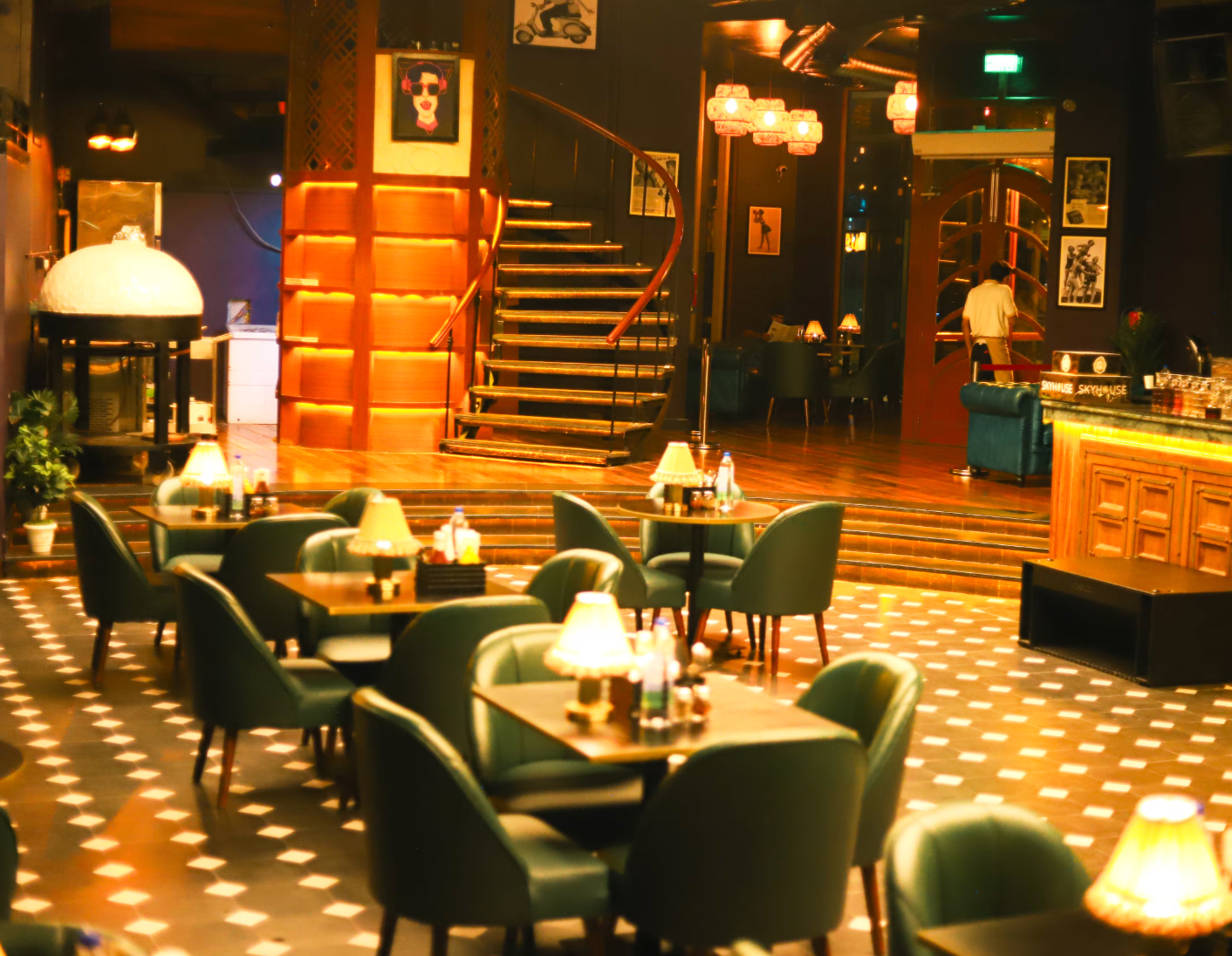

If you believe scaling your restaurant business means racing to open the next outlet, it’s time to hit pause. The game has changed. In 2026, true scalability is no longer just about physical expansion; it’s about building a repeatable, tech-enabled, and financially resilient brand. It’s the ability to grow revenue without costs spiralling out of control, and to deliver a flawless experience every single time, whether a customer walks into your first location or your fiftieth.
redefining restaurant
This shift is crucial in India’s dynamic market. While 1,000 to 2,000 new restaurants open here every month, an equally sobering number close their doors, often due to unsustainable costs and intense competition. The path to lasting success isn’t paved with more square footage alone. Based on our coaching experience at RestaurantCoach.in, the winners today are those who master the fundamentals of their business before chasing growth. They understand that scale is an outcome of excellence, not its substitute.
This article will break down the modern blueprint for scaling, translating insights from leading restaurateurs into actionable steps you can implement now to build a stronger, more profitable foundation for your brand’s future.
The conversation around restaurant growth has fundamentally evolved. Industry leaders are moving away from a pure “outlet count” mentality to a more holistic, disciplined approach. Here’s what the latest trends really mean for an Indian restaurant owner:
Experience Over Expansion: Leading brands like Chrome Asia Hospitality focus on creating such powerful, culturally relevant formats that they become the benchmark in their category. Their “scale” comes from influence and experience-led recall, not just more locations. They operate as memorable brands, not just venues.
Operational Discipline as the Foundation: As Timanshu Mokal of Amelia, One BKC points out, standardized systems are essential, but they must be shaped by on-ground realities. Tightening kitchen prep flows or service handovers reduces stress during peak hours and, most importantly, delivers a consistent guest experience—the true currency of scale.
Strategic Diversification: Scaling revenue isn’t only about selling more mains. Savvy operators like Mykos Craft Kitchen & Bar create incremental income through in-house dessert cafes, photobooths, and event activations. Others, like Chrome Asia Hospitality, use bar takeovers as strategic brand-building tools to amplify their reach and prestige.
The Tech-Enabled Backbone: Technology is the silent growth partner. Restaurants are investing significantly in cloud-based POS systems, AI-driven analytics, and smart kitchen tools to streamline operations and enhance decision-making. The key, as one leader notes, is to let the dashboard highlight trends while the floor manager uses human insight to pace the service.
You might be running a single cloud kitchen in Pune, a QSR in Jaipur, or a fine-dining cafe in Bangalore. This new definition of scale is not just for large chains; it’s your blueprint for survival and profitability in a challenging market.
For Cloud Kitchens & Delivery-Focused Brands: Your entire model is built on repeatable efficiency. Your “experience” is the unboxing, the perfect temperature, and consistent taste. Without militaristic standardization and smart tech for inventory and demand forecasting, your margins will be eaten away by waste and inefficiency. Diversifying your presence across multiple delivery platforms or creating a signature, packable dessert line can be your version of scaling revenue streams.
For Cafe Owners & Casual Dining: Your customers are seeking an “informal living room”—a space for work, meetings, or relaxation. Scaling means maximizing the value of each visit. This involves moving towards “freestyle dining” with small plates and premium desserts that increase average order values, and designing your space for intentional dwell time rather than just cramming in tables.
For Aspiring Brands & New Entrepreneurs: The most critical takeaway is to resist racing to scale. Data suggests 55-65% of successful brands scale only after their first year, while many that expand within a year struggle to find stability. Your first year should be dedicated to validating your concept, building a loyal community, and perfecting your unit economics. The tremendous growth potential in Tier-2 and Tier-3 cities is built on this disciplined approach.
The Universal Challenge: People & Culture: Regardless of format, your team is your true growth engine. In an industry with high attrition, creating a positive, growth-oriented culture through training and recognition isn’t optional—it’s the only way to ensure consistent service as you grow. As Zorawar Kalra of Massive Restaurants states, it’s about making every team member a proud custodian of your brand’s standards.
Knowledge is power, but action creates results. Here is your practical roadmap to start building a scalable business today.
Audit Your Unit Economics (Before Anything Else). You cannot scale what you don’t understand. For the next month, track your Cost of Goods Sold (COGS), prime costs, and profitability per item with precision. Is your bestselling dish also your most profitable? This is the non-negotiable first step we take with every client at RestaurantCoach.in.
Document One Core Process Perfectly. Choose your busiest service—maybe Saturday dinner. Map out every step from prep to plating to payment. Create simple, visual Standard Operating Procedures (SOPs) for this service. This single document will reduce errors, train staff faster, and become the template for consistency.
Launch a “Revenue Stream” Experiment. Don’t overhaul your menu. Pick one incremental idea: a signature packaged chutney or spice mix for sale, a curated weekend brunch package, or a partnership with a local dessert brand. Test it for 30 days, track its uptake and profitability, and learn.
Invest in One Piece of “Connective” Technology. You don’t need a full AI suite. Start with a cloud-based POS that integrates inventory management or a simple feedback tool that aggregates Google and Zomato reviews into one dashboard. The goal is to connect data points for better decisions.
Empower Your Team with One New Skill. Identify a key team member. Train them on one advanced skill: basic inventory management, crafting a special cocktail, or handling customer recovery. Recognize their new competency publicly. This builds culture and creates your first layer of leadership.
Define Your “One Thing” Cultural Relevance. What does your brand stand for beyond food? Is it celebrating hyper-local Hyderabad ingredients? Is it being the best workspace cafe in Gurugram? Integrate this story into your social media, menu descriptions, and staff talking points.
Create a 90-Day “Pre-Scale” Checklist. If growth is on the horizon, list every item that must be perfected before a second outlet: finalized recipes, training manuals, vendor contracts, and a financial model. Make expansion a reward for operational excellence, not a reaction to initial success.
In my years of coaching, I’ve seen a pattern: the restaurants that thrive under pressure and scale successfully are those built like enduring businesses, not passion projects. The industry’s focus has rightly shifted from spectacle to substance, from novelty to intentionality.
The 2026 mindset is about clarity and discipline. It’s understanding that scaling a brand like Massive Restaurants globally means a guest in London receives the same core experience as in Mumbai. This level of consistency is impossible without the “boring” fundamentals: rigorous SOPs, financial acumen, and a culture of excellence.
Technology is your ally, not a replacement for your soul. Use AI to forecast demand and reduce waste, but let your chefs and managers use that data to enhance human creativity and hospitality. Similarly, while delivery platforms are vital for revenue, their high commissions (reportedly averaging nearly 25%) make it imperative to build a strong, direct customer relationship through your own channels to protect long-term profitability.
Ultimately, the brands that will dominate are those that know who they are and execute it with precision every day. They scale their culture, their systems, and their unique experience. The outlets follow naturally.
The journey to scalable growth in 2026 begins with a strong, profitable, and beloved single unit. It is built on the pillars of irresistible cultural relevance, military-grade operational systems, a empowered team, and smart technology. By shifting your focus from “How many outlets?” to “How strong is our foundation?”, you build a business that can withstand market shifts, attract loyal customers, and expand on its own terms.
Ready to build your restaurant’s scalable future?
Navigating this new landscape requires a tailored strategy. At RestaurantCoach.in, we help Indian restaurant owners like you transform vision into a structured, profitable, and scalable reality. Our coaching programs provide the frameworks, accountability, and expert guidance to strengthen your foundations and achieve sustainable growth.
Previous Post
Next Post
The Indian food and beverage (F&B) industry is buzzing with news that has significant implications…
Maharashtra PNG Supply Hike: A Restaurant Coach’s Guide to Relief and Resilience For restaurant owners…
The Fast-Food Diabetes Link: What Telangana’s Health Warning Means for Your Restaurant’s Future As a…
As restaurant business coaches in India, we at RestaurantCoach.in spend a lot of time in commercial kitchens.…

Founded in 2015 by seasoned restaurant professionals who understood the challenges faced by food entrepreneurs in India, Restaurant Coach began as a vision to democratize restaurant success.

Founded in 2015 by seasoned restaurant professionals who understood the challenges faced by food entrepreneurs in India, Restaurant Coach began as a vision to democratize restaurant success. After witnessing countless talented chefs and passionate food lovers struggle with business aspects of restaurant operations, our founders decided to bridge the gap between culinary passion and business acumen.