Demos
Demos  Colors
  Docs
Docs  Support
Home 15
Newly Added

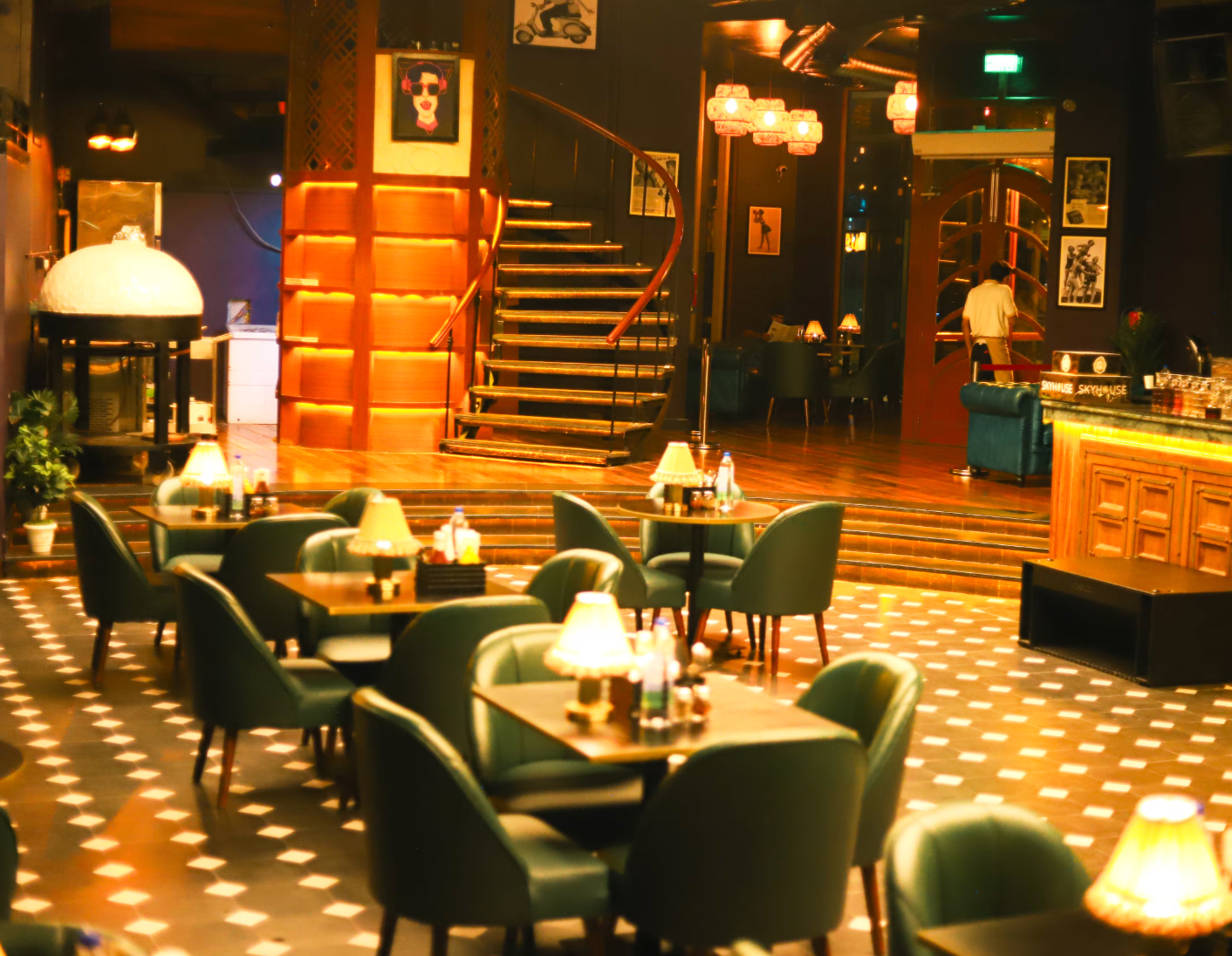

The Indian hospitality landscape is shifting. It’s no longer just about metro cities and business districts. The new frontier is pilgrimage tourism, wedding destinations, and the “leisure mixed with faith” traveler.
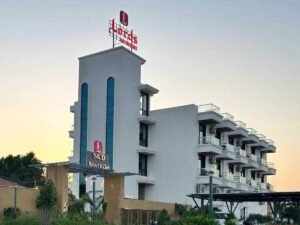
lords hotel
The recent announcement by Lords Hotels and Resorts about launching a new destination property in Salangpur, Gujarat, is more than just a hotel opening. It’s a powerful signal for every restaurant owner, cafe operator, and food entrepreneur watching this space.
At RestaurantCoach.in, we don’t just report news; we decode what it means for your business. This development isn’t just about a hotel chain expanding; it’s about the changing patterns of where money is being spent and how you, as a restaurant owner, can capture it.
Let’s break down the news, understand its direct impact on your restaurant, and walk through a concrete action plan to help you thrive in this new demand wave.
Lords Hotels & Resorts has strengthened its footprint in India’s booming cultural and religious tourism sector with a brand-new property in Salangpur, Gujarat. This isn’t just another hotel opening; it’s a strategic bet on a location with high potential.
The property features 47 well-appointed rooms, including 24 cottages. But for food business owners, the most critical detail is the multi-cuisine restaurant designed to cater to diverse palates. Alongside the restaurant, the resort boasts significant event infrastructure, including a banquet hall and a large, landscaped party lawn specifically designed for weddings and social gatherings.
The leadership at Lords Hotels made it clear: this move is about capitalizing on the “spiritual plus celebration” traveler. As Sudhir Jena, VP at Lords Hotels, noted, their expansion focuses on destinations with “strong year-round demand,” and Salangpur fits the bill perfectly with its growing pull for spiritual tourism, weddings, and events.
You might be thinking, “That’s great for Lords Hotels, but I run a standalone restaurant in my city. How does this affect me?” The answer is: This news reveals the spending patterns of your future customers.
Here’s the direct impact on Indian restaurant owners, QSR operators, and cloud kitchens:
Salangpur is being positioned as an emerging wedding destination. When a family books a wedding at a resort like this, the food and beverage (F&B) component is massive. But it doesn’t stop at the wedding day. It includes pre-wedding dinners, sangeet nights, and post-wedding brunches.
The Opportunity: If you are a restaurant in a tier-2 or tier-3 city, or near a pilgrimage site, you are no longer just competing for the local lunch crowd. You are competing for the wedding ancillary business. Out-of-town guests will explore local eateries. They will look for authentic local cuisine experiences. Your restaurant could become the recommended spot for the “post-wedding breakfast” or the “family get-together before the wedding.”
Gone are the days when pilgrimage meant simple, frugal eating. The modern spiritual tourist seeks comfort. They want a clean, multi-cuisine restaurant that offers a great “pav bhaji” as well as a healthy “grilled sandwich.” The Lords property is specifically designed to blend “spirituality and comfort.”
The Opportunity: The customer visiting a temple or a religious site now has higher disposable income and expectations. They are looking for hygienic, sit-down dining experiences. If your restaurant is located within 10-20 km of a major pilgrimage center, you have a chance to upgrade your menu and service to cater to this premium traveler.
The new Lords hotel features a multi-cuisine restaurant. This is a crucial data point. A diverse customer base—from pilgrims to wedding guests to leisure travelers—demands a diverse menu.
The Opportunity: Specialization is great, but flexibility is key in destination markets. As we advise our coaching clients at RestaurantCoach.in, understanding the local demographic mix is essential. A single-cuisine restaurant (like only South Indian) might miss out on a large wedding party from North India craving Punjabi food.
So, how do you translate this news into profit for your own business? Whether you are in a metro city or a growing destination like Salangpur, here are five actionable steps you can take right now.
Map out all the hotels, wedding lawns, and banquet halls within a 5km radius of your restaurant.
Next Step: Create a simple one-page marketing flyer or a special “catering menu” designed for outstation guests. Physically visit the banquet managers of these hotels. Build a relationship. Offer them a referral commission or a partnership where you become their recommended off-site dining option for guests.
If you are near a religious site, your menu must cater to specific dietary needs.
Next Step: Introduce a clear “Satvik” or “Pure Vegetarian” section on your menu. Ensure your kitchen practices are transparent. Consider offering a “Prasad Thali” or a simple, wholesome meal that appeals to the spiritual traveler. Promote this heavily on Google My Business and local listings.
Don’t just wait for walk-ins. Go after the business.
Next Step: Design a “Restaurant Takeover” package for sangeet or cocktail nights. Often, wedding parties want a private, vibrant space that isn’t their hotel banquet hall. If your restaurant has a separate section or a unique ambiance, create a package that includes decor, a special fusion menu, and dedicated service staff. Market this to wedding planners in nearby cities.
The success of a destination property relies on the ecosystem. You are part of that ecosystem.
Next Step: Partner with the local travel agencies, cab drivers, and hotel concierges. Provide them with “VIP Cards” or discount coupons for their guests. This creates a win-win: they offer added value to their customers, and you get a steady stream of new, pre-qualified customers.
Post-pandemic, hygiene is the #1 priority for travelers.
Next Step: Get an FSSAI hygiene rating and display it prominently. Train your staff to be visible in their sanitation practices. Promote your “Open Kitchen” concept or your rigorous cleaning standards. For a traveler, a spotless restaurant is a sanctuary. This alone can be your unique selling proposition (USP) against less organized competition.
In my years of coaching restaurant owners, one trend has become undeniable: the lines between “local” and “destination” dining are blurring. A restaurant in a seemingly small town can now serve a global audience, thanks to the boom in domestic tourism and destination weddings.
The Lords Hotels expansion is a textbook example of smart, data-driven expansion. They aren’t just building a hotel; they are building a destination around year-round demand generators: spirituality (which brings daily footfall) and weddings (which bring high-ticket, weekend business).
For the independent restaurant owner, the lesson is to adopt a similar dual strategy.
The “Daily Driver”: Your regular menu and service for the local community. This is your bread and butter.
The “Event Driver”: Your special packages, premium menus, and marketing efforts aimed at the transient, high-spending traveler.
We have seen our coaching clients at RestaurantCoach.in double their revenues simply by pivoting their marketing strategy to capture this “event-driven” demand. They stopped relying solely on walk-ins and started actively marketing to hotel concierges and wedding planners.
Your competitive advantage against a big chain like Lords is your authenticity, your agility, and your connection to the local culture. A hotel restaurant serves great food. A local, well-run restaurant serves great food with local stories and genuine warmth. That is a distinction you must leverage.
The opening of a new hotel in Salangpur is more than a news headline; it’s a roadmap. It highlights the immense potential in India’s wedding and spiritual tourism sectors. For the savvy restaurant owner, this means new customer segments, new revenue streams, and new opportunities for growth.
But opportunity without strategy is just a wish. To truly capitalize on these trends, you need a clear plan, expert guidance, and the right systems in place.
Ready to build a restaurant that thrives on every type of customer—local and global?
Need expert guidance to navigate these industry changes? Our restaurant coaching programs at RestaurantCoach.in help food entrepreneurs like you identify hidden opportunities, streamline operations, and build a profitable, sustainable business. [Contact us today] to transform your restaurant vision into reality.
Previous Post
Next Post
Hookah and Food are Separate Supplies Under GST: What This Landmark Ruling Means for Your…
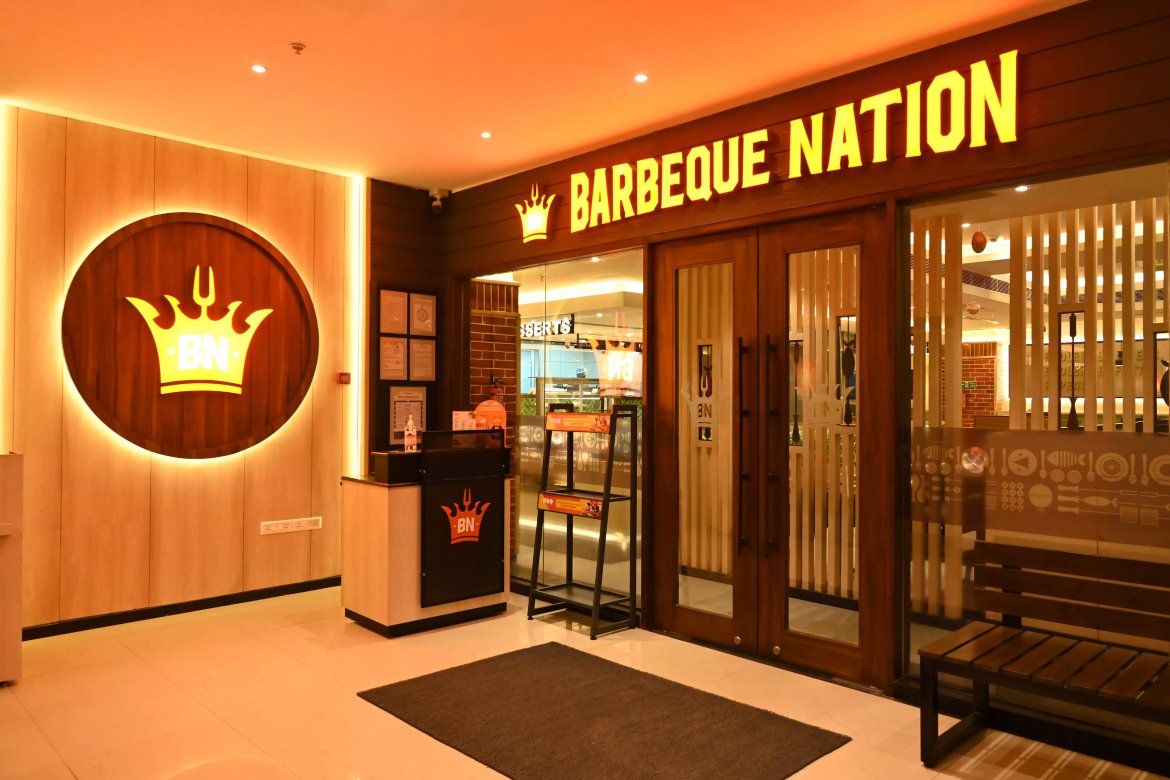
This week, news broke that Barbeque Nation has opened its doors at CP67 Mall in Mohali.…
The Indian food service industry is witnessing a fascinating shift. While dine-in traffic recovers, the…
Decoding the News: Why a CFO is Now Running a QSR Giant On the surface,…

Founded in 2015 by seasoned restaurant professionals who understood the challenges faced by food entrepreneurs in India, Restaurant Coach began as a vision to democratize restaurant success.

Founded in 2015 by seasoned restaurant professionals who understood the challenges faced by food entrepreneurs in India, Restaurant Coach began as a vision to democratize restaurant success. After witnessing countless talented chefs and passionate food lovers struggle with business aspects of restaurant operations, our founders decided to bridge the gap between culinary passion and business acumen.