Demos
Demos  Colors
  Docs
Docs  Support
Home 15
Newly Added

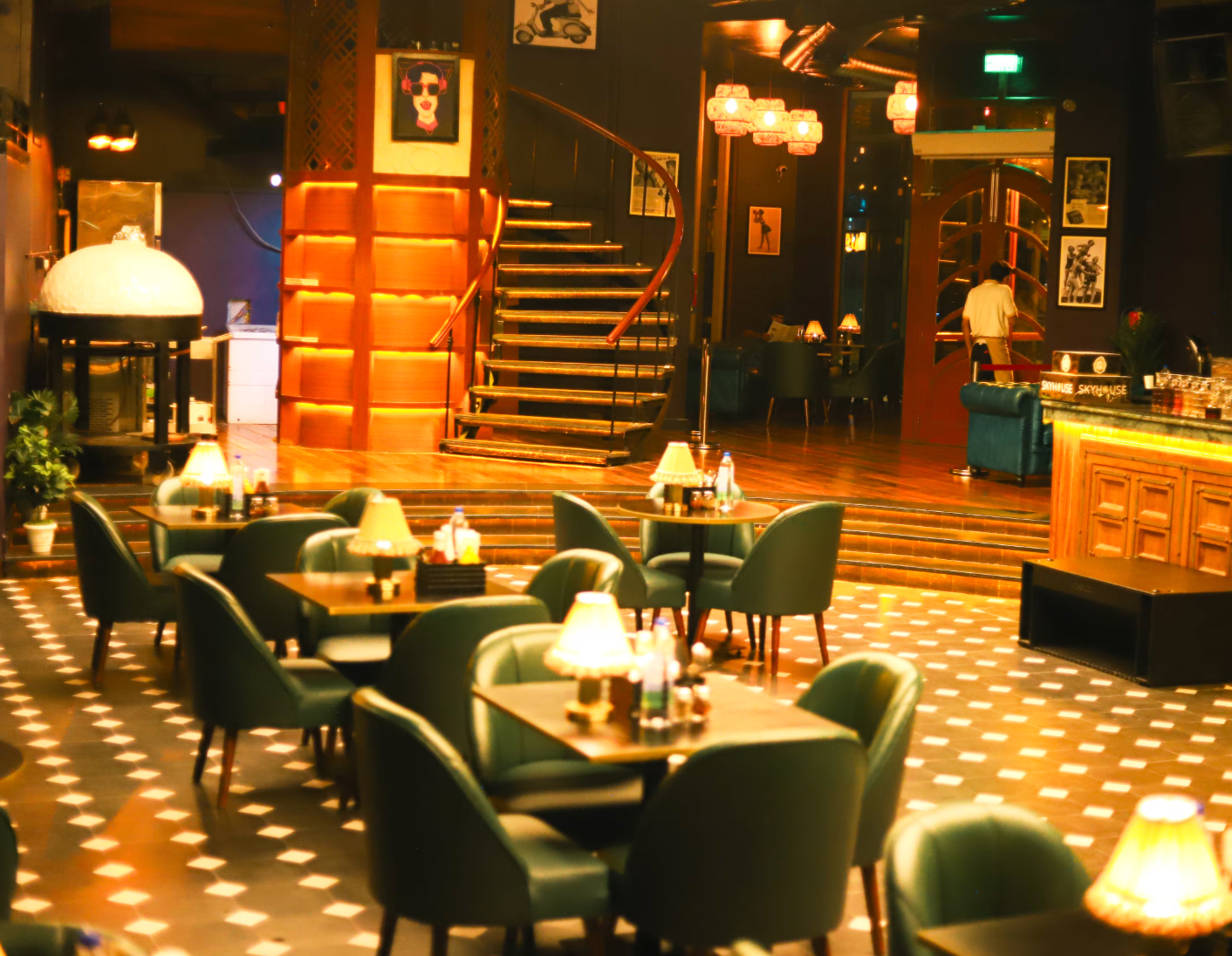

The Mumbai restaurant scene just got a massive upgrade. Pebble Street Hospitality, the powerhouse behind KOKO, has launched its latest outpost in Goregaon’s Oberoi Garden City. This isn’t just another restaurant opening; it’s a strategic move that signals major shifts in where India is dining and what they expect from the experience.
koko
At RestaurantCoach.in, we specialize in helping food entrepreneurs decode moves like this. While most owners will just read the news and move on, we want you to dissect it. The KOKO Goregaon launch offers a masterclass in location scouting, revenue diversification, and menu engineering—concepts that apply whether you run a 500 sq ft cloud kitchen or a fine-dining establishment in Delhi.
Here is our expert breakdown of the news, the impact on your business, and the specific steps you need to take to compete in this evolving market.
Pebble Street Hospitality has expanded its Mumbai footprint by launching KOKO’s second location in the city at the International Business Park, Oberoi Garden City, Goregaon. This marks the brand’s fourth outlet in India [citation:0].
Spanning an impressive 5,500 square feet and seating 116 guests, this isn’t just a place to eat; it’s a “multi-zone venue” designed to transition seamlessly from day to night. The founders, Ryan Tham and Keenan Tham, strategically positioned this restaurant to capture the “western suburbs’ vibrant momentum,” specifically targeting office professionals for power lunches, corporate honchos for after-work cocktails, and luxury residents for family dinners.
The venue features a curved wall that doubles as a striking cocktail lounge, which can operate independently for private events. On the culinary front, Chef Eric Sifu leads the team in delivering refined Cantonese-Japanese artistry, complete with an elevated vegetarian and Jain menu to cater to the local Mumbai palate.
So, why should a restaurant owner in Pune, Bangalore, or even a QSR operator in Gurugram care about a single launch in Mumbai? Because KOKO’s strategy reveals the blueprint for survival in 2026.
KOKO isn’t just open for dinner; it’s designed for “power lunches” and “after-work cocktails.” They have engineered the space to generate revenue across three day-parts. If your restaurant is only firing on one cylinder (usually dinner), you are leaving massive money on the table. With Indian rents skyrocketing, utilizing your real estate from 12 PM to 1 AM is no longer optional.
They didn’t just pick “Goregaon”; they picked Oberoi Garden City, a hub specifically chosen to tap into the corporate-residential surge. This is what we call micro-market analysis. Many restaurant owners fail because they pick a “good area” rather than a specific “destination with demand.”
In 2026, dining is about a complete sensory journey. KOKO focuses on “immersive experiences” and “high-energy, share-style dining.” According to industry reports, 65% of Indian guests now prefer experience-led dining—from live entertainment to themed nights . If your restaurant still feels transactional, customers will replace you with an experience-first competitor.
Notice the mention of a “meticulously curated Jain menu.” In India, one-size-fits-all doesn’t work. By catering to specific dietary communities (Jain, vegetarian, vegan) without compromising on the premium brand image, KOKO expands its Total Addressable Market (TAM) without diluting its luxury status.
Seeing a big brand succeed is inspiring, but how do you apply these principles to your own restaurant? Here are 5 actionable steps you can implement this quarter.
Walk through your POS data from the last three months. Identify the gaps.
Action: If your lunch sales are below 20% of your total, introduce a “Executive Lunch Box” or a “Power Lunch Tasting Menu” that can be served in 45 minutes. Target the offices within a 1km radius.
Look at your floor plan. KOKO uses a curved wall to create a separate cocktail lounge.
Action: Can you partition a section of your dining area for private events? Even a 10-cover private room can generate high-margin revenue from corporate meetings, birthdays, or kitty parties.
Many Indian restaurants handle Jain or vegan requests with a sigh, offering a bland, modified version of a dish.
Action: Treat dietary restrictions as a menu engineering challenge. Create 2-3 signature dishes specifically for Jain or vegan customers. Market them on your Instagram. This builds immense brand loyalty within those communities.
KOKO transitions from a corporate lunch spot to a high-energy evening lounge.
Action: Train your staff on “ambiance shifting.” This means dimming lights, changing the music playlist, and altering service style at 7 PM sharp. The physical space doesn’t change, but the energy must.
If you want to catch corporate crowds like KOKO, your restaurant needs to be found.
Action: Update your Google My Business profile. Ensure you have keywords like “best place for corporate lunch in [Your City]” or “after-work drinks in [Your Locality].” Encourage your corporate customers to leave reviews mentioning the business district.
In our coaching sessions at RestaurantCoach.in, we emphasize a concept called “Intentionality.” Looking at the trends for 2026, the market is shifting from consumption to curation . Customers are overwhelmed with choices; they want restaurants that know exactly who they are.
KOKO knows it is a high-energy, Pan-Asian, experiential brand for a premium audience. They are not trying to be a cheap thali place, nor are they trying to be a molecular gastronomy lab.
We recently helped a client in Bangalore who was struggling with a “confused menu”—serving South Indian, Chinese, and North Indian under one roof with no clear identity. By applying the “KOKO principle,” we helped them trim the menu by 40% and focus on a specific niche (in their case, Coastal Karnataka cuisine). Within three months, their revenue per available seat hour increased by 22%.
The takeaway? Clarity beats variety every time. In 2026, the winning restaurants won’t be the ones trying to be everything to everyone. They will be the ones who own a specific memory in the customer’s mind.
The launch of KOKO Goregaon is more than just a news item; it’s a reflection of where the Indian F&B industry is headed: experience-driven, operationally diverse, and hyper-localized.
Don’t just admire their success from afar. Use the five steps above to audit your own business. Identify your gaps in day-part revenue, menu inclusivity, and physical ambiance.
If you feel stuck or want a professional eye on your numbers, we are here to help.
Need expert guidance to navigate these industry changes? Our restaurant coaching programs at RestaurantCoach.in help food entrepreneurs build profitable, sustainable businesses. [Click here to book a free discovery call] and let’s transform your restaurant vision into reality.
Previous Post
Next Post
The Indian food service industry is witnessing a fascinating shift. Homegrown brands are no longer…
The recent buzz around Indiranagar, Bangalore—where several popular cafes are reportedly restricting laptop usage—has sparked…
As a restaurant business coach working with food entrepreneurs across India, I’ve seen a recurring…
The Indian restaurant industry thrives on energy, passion, and a connection with its customers. So,…

Founded in 2015 by seasoned restaurant professionals who understood the challenges faced by food entrepreneurs in India, Restaurant Coach began as a vision to democratize restaurant success.

Founded in 2015 by seasoned restaurant professionals who understood the challenges faced by food entrepreneurs in India, Restaurant Coach began as a vision to democratize restaurant success. After witnessing countless talented chefs and passionate food lovers struggle with business aspects of restaurant operations, our founders decided to bridge the gap between culinary passion and business acumen.