Demos
Demos  Colors
  Docs
Docs  Support
Home 15
Newly Added


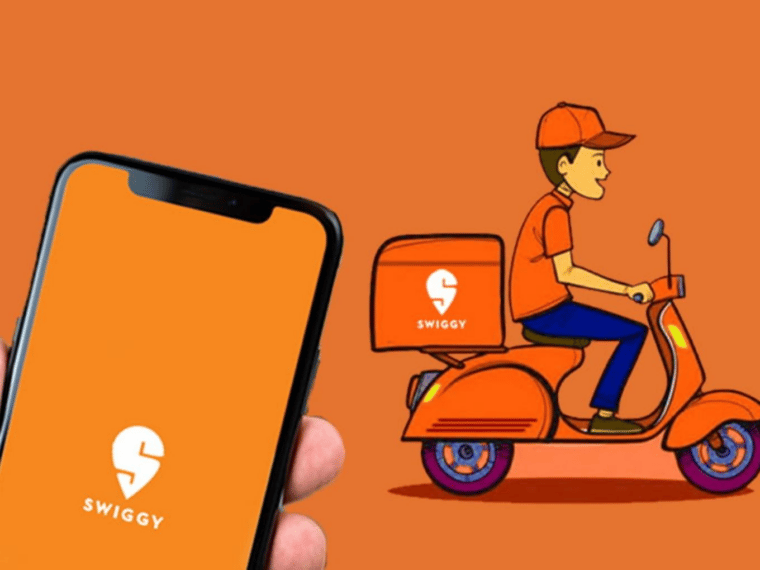
For Indian restaurant owners, New Year’s Eve represents one of the most lucrative nights of the year. This year, that revenue is under direct threat. Delivery partners for Swiggy, Zomato, Blinkit, and Zepto have announced a nationwide strike on December 31, 2025, following a similar action on Christmas Day that caused significant delivery delays and order cancellations.
swiggy-zomato.webp
This isn’t just a logistics hiccup; it’s a symptom of a deeper structural issue in the food delivery ecosystem that directly impacts your bottom line. As your restaurant coach, I want to cut through the noise. This article will provide a clear analysis of the strike, its direct impact on your operations, and, most importantly, a step-by-step action plan to safeguard your revenue and build a more resilient business. Let’s transform this challenge into a strategic opportunity.
To navigate this effectively, you must understand the “why.” The strike, called by unions like the Telangana Gig and Platform Workers Union, stems from core grievances that have been simmering for years.
The Christmas Day strike offered a preview, with reports from cities like Pune showing delays of 90 minutes to two hours and some orders cancelled outright because no riders were available. The Pune chapter head of the National Restaurants Association noted a 30-35% dip in orders compared to typical patterns due to the Christmas strike.
The key demands of the workers highlight the pressures in the system:
Against Unsafe Speeds: A central demand is the abolition of “10-minute delivery” models, which workers say force dangerous driving.
Algorithmic Unpredictability: Workers cite a lack of transparency in how algorithms decide pay, assign orders, and deactivate IDs, leading to income insecurity.
Lack of Social Security: They are demanding basic benefits like health insurance, accident cover, and pension—protections most gig workers currently lack.
This strike is a flashpoint in a larger trend. While the food delivery sector employs millions and is growing rapidly, worker representatives argue this growth masks widespread distress, with many working long hours for uncertain pay.
The immediate effect is clear: disrupted deliveries and lost sales on a peak revenue night. But the implications run deeper, affecting customer perception, operational costs, and long-term strategy.
Immediate Revenue Loss: New Year’s Eve is a peak ordering day. The Christmas strike disruption gives us a template. If rider unavailability leads to cancelled orders or hours-long delays, customers will simply give up. This translates to a direct hit to your top-line revenue on a critical day.
Operational Chaos & Increased Costs: You may be forced to find alternatives. During the Christmas strike, some restaurants turned to third-party logistics services like Porter or ShadowFax. However, this comes at a higher cost per delivery, squeezing your margins on already promotional-heavy holiday orders. If you attempt in-house delivery, you face added complexity, insurance liabilities, and strained kitchen coordination.
Brand Reputation Damage: A customer who has a poor experience—whether a cancelled order or a cold, late meal—is unlikely to blame the platform alone. Your restaurant’s brand suffers. Negative reviews about delivery times on a high-visibility night can have a lasting impact.
A Sign of Systemic Fragility: This strike underscores a critical vulnerability in the modern restaurant model: over-reliance on a small number of delivery platforms. When that single channel fails, many businesses have no backup plan. This event should serve as a urgent wake-up call to diversify your revenue streams.
Don’t be a passive spectator. Here is your actionable checklist to manage the immediate crisis and build future resilience.
Update Your Website & Social Media: Pin a clear, polite notice on your Facebook, Instagram, and Google Business Profile. Example: *”Heads up! Due to a nationwide delivery partner strike, orders on Dec 31 may face significant delays or cancellations. We encourage direct pick-up or dine-in. Thank you for your understanding!”*
Email/SMS Your Loyal Customers: Use your customer database to send a direct alert. This manages expectations and shows you respect their plans.
Incentivize behavior that bypasses the problem. For December 31:
Boost “Direct Pick-Up” Orders: Offer a 15-20% discount on all pick-up orders placed directly through your website or phone. Promote a “NYE Feast at Home” package designed for pick-up.
Highlight Dine-In Availability: If you have tables, promote your dine-in NYE specials aggressively. Frame it as the hassle-free, guaranteed way to enjoy your food.
Temporarily Pause Deep Discounts on Apps: If you’re paying 25-30% in commissions, use some of that margin to fund your direct customer promotions instead.
Designate a “Delivery Lead” in your staff to manage the chaos.
Research Backup Services: Identify local courier or logistics services (like Porter) and have their contact details and rate cards ready.
Create Clear Workflows: If you must use backup, have a process for handing off orders, tracking them, and communicating with the customer. At RestaurantCoach.in, we help owners build these contingency playbooks into their standard operating procedures so they’re not scrambling in a crisis.
This is your long-term antidote to platform dependency.
Collect Contacts Religiously: Offer a small discount or a free dessert for every customer who provides their phone number or email for a “receipt.”
Start a WhatsApp Broadcast List: This is a powerful, low-cost tool for Indian restaurants to announce daily specials, promote direct ordering, and send alerts like this one.
Launch a Simple Loyalty Program: A physical stamp card or a digital points system for direct orders encourages repeat business off the platforms.
After New Year’s, analyze what happened.
What was the exact financial impact?
How effective were your communications?
Did your backup delivery plan work?
Use these insights to formalize a plan. Our coaching clients at RestaurantCoach.in use such audits to build business continuity plans that cover everything from delivery strikes to supplier failures.
View this strike not just as a problem, but as a powerful signal. The gig economy is seeking a new equilibrium, with recent government social security codes being an early step. For you, the restaurant owner, the strategic imperative is de-risking your business model.
The most successful restaurateurs we work with treat delivery platforms as a marketing channel to acquire new customers, not as their primary sales floor. Their goal is to use the platform’s reach to bring customers into their own ecosystem—their website, their phone line, their loyalty program.
Investing in a user-friendly direct ordering system on your website, even a simple one, pays for itself by saving on platform commissions and giving you full control over the customer experience. This strike proves that control is not just profitable—it’s essential for survival.
The December 31 delivery strike is a immediate test of your restaurant’s adaptability. By taking the proactive steps outlined above—communicating clearly, incentivizing direct orders, and having a backup plan—you can mitigate the night’s impact.
However, the real lesson is long-term. Building a direct line to your customers is the single most important strategic move you can make in today’s platform-dominated landscape. It protects you from disruptions, improves your margins, and strengthens your brand.
Ready to build a restaurant business that thrives regardless of platform changes? This is exactly the kind of strategic resilience we help create at RestaurantCoach.in. Our tailored coaching programs provide Indian restaurant owners with the frameworks, tools, and accountability to build profitable, sustainable, and independent businesses.
Need expert guidance to navigate these industry changes? Our restaurant coaching programs at RestaurantCoach.in help food entrepreneurs build profitable, sustainable businesses. Book a free strategy session today to transform your restaurant vision into a resilient reality.
Internal Link Suggestions for Future Blog Posts:
“How to Set Up a Low-Cost Direct Ordering System for Your Restaurant in India”
“The Complete Guide to Restaurant Loyalty Programs: WhatsApp vs. Apps vs. Stamp Cards”
“Understanding the New Social Security Code for Gig Workers: What It Means for Your Restaurant”
Suggested Featured Image Description:
A composed shot for a restaurant blog: In the foreground, a restaurant owner or manager looks at a smartphone screen displaying a food delivery app alert, with a thoughtful expression. In the soft-focus background, kitchen staff are actively preparing food. The image conveys proactive problem-solving during a busy service.
FAQ Section
Q1: How long will the December 31 strike last?
A: The strike is planned as a flash strike, but the Christmas Day action caused disruptions for several hours. Expect significant impact during peak evening dining hours on the 31st.
Q2: Should I turn off my Swiggy/Zomato tablet on strike day?
A: Not necessarily. You can remain listed, but be prepared for orders to go unassigned or be severely delayed. Use your storefront on the apps to display a banner (if the feature allows) or modify your name briefly (e.g., “[Restaurant Name] – Pick-Up Recommended Today]”) to communicate with customers.
Q3: Are third-party delivery services a reliable backup?
A: They can be a short-term solution, as some restaurants used them during the Christmas strike. However, they are more expensive and you lose the integrated tracking and support of the major apps. Have their contacts and rates ready, but prioritize driving customers to direct pick-up.
Q4: This is the second strike recently. Is this the new normal?
A: While we cannot predict frequency, the structural issues driving these strikes (demands for safety, security, and fair pay) are ongoing. It is prudent for restaurant owners to develop strategies that make their operations less vulnerable to such external disruptions.
It’s happened again. Just as we were all getting used to the last round of…
The Indian food business is often romanticized, but the reality is that it’s a battlefield…
The news is out, and it’s creating quite a buzz in the Indian food and…
Swiggy vs Zomato Q3 Results: What It Means for Restaurant Owners The latest quarterly results…

Founded in 2015 by seasoned restaurant professionals who understood the challenges faced by food entrepreneurs in India, Restaurant Coach began as a vision to democratize restaurant success.

Founded in 2015 by seasoned restaurant professionals who understood the challenges faced by food entrepreneurs in India, Restaurant Coach began as a vision to democratize restaurant success. After witnessing countless talented chefs and passionate food lovers struggle with business aspects of restaurant operations, our founders decided to bridge the gap between culinary passion and business acumen.