Imagine a customer walking into your café and ordering a pitch-black dosa. Would you serve it? Or would you worry they’d call the food inspector?
A small café in Nagpur, Yello Cafe, has taken the internet by storm. Their breakfast menu features black idlis and charcoal dosas priced at just ₹100, and the visuals have sparked a massive debate online. While some are calling it a creative masterpiece, others are joking that it looks like it’s made from “boiled rubber tyre syrup.”
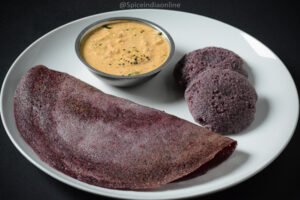
Black Dosa & Idli
As restaurant coaches at RestaurantCoach.in, we see these viral moments not just as fun news, but as powerful case studies. This trend raises critical questions about menu innovation, branding, risk management, and customer psychology in the Indian food business.
In this post, we’ll break down the story behind the black dosa, analyze why it works (or doesn’t), and provide a strategic roadmap for Indian restaurant owners who want to innovate without alienating their customers.
What Really Happened at Yello Cafe? The News Unpacked
The viral video, shared by food vlogger Laksh Mulchandani, shows a chef at Yello Cafe in Nagpur preparing a dosa with jet-black batter. The process is identical to a classic dosa—spread thin on the tawa, filled with spiced potatoes—but the final product looks like it was grilled over charcoal.
Social media, predictably, had a field day. Comments ranged from “Justice for dosa” to wild speculations about the ingredients being “drainage water” or “hair dye.”
However, the reality is far less alarming and much more innovative. According to the cafe’s details, the black color comes from natural ingredients: coconut shell charcoal powder, orange peels, and gunpowder (a spicy condiment mix) , all cooked in desi ghee. The result is a striking visual that has earned them not just viral fame but also a loyal celebrity customer in Bollywood actor Ashish Vidyarthi, who has been visiting the eatery for years.
This isn’t just a story about food; it’s a story about standing out in a crowded market.
How Does This News Impact You? Lessons for Indian Restaurants
You might be thinking, “I run a normal restaurant in Mumbai or Delhi. I don’t need to serve black food.” But that’s the wrong takeaway. This news directly impacts your business strategy in several profound ways.
1. The Instagrammability Quotient is Non-Negotiable
We are in the era of the “camera eats first.” Yello Cafe didn’t spend crores on a marketing campaign; they spent ₹100 on a plate of dosa that was visually disruptive. For restaurant owners in cities like Bangalore, Gurugram, and Pune, this proves that your food needs to be ‘social-media ready’. If your dishes don’t make a customer want to pull out their phone, you are leaving free marketing on the table.
2. The Fine Line Between Innovation and Tradition
Many commenters were offended. They felt a sacred, traditional dish was being “ruined.” This highlights a massive risk for you. When you experiment, you must gauge your audience. Are you a heritage South Indian eatery? If so, a black dosa might cause a riot. Are you a modern, quirky cafe targeting Gen Z? Then this is exactly the kind of disruption your brand needs.
3. Pricing Power Through Novelty
Priced at ₹100, this black dosa is likely priced higher than a standard plain dosa in Nagpur. Customers are paying a premium not for the ingredients (which are simple) but for the experience and the novelty. This shows that you can break out of the commodity pricing trap if you offer something unique.
Action Steps for Restaurant Owners: How to Innovate the Right Way
At RestaurantCoach.in, we’ve guided dozens of restaurateurs through the process of menu innovation. Here are actionable steps to take from this viral trend and apply it to your own business.
1. Start with “Why,” Not Just “Wow”
Before you add charcoal to your paratha, ask yourself: Why?
-
Does this fit my brand story? (e.g., A “Molecule” gastronomy bar vs. a “Maa ke haath ka khana” dhaba)
-
Does it enhance flavor or just color?
-
Action: Define the objective of your new dish. Is it for social media buzz, to use seasonal ingredients, or to create a signature item?
2. Prioritize Safety and Compliance
This is the most critical step. In India, the FSSAI has strict regulations regarding food additives. Activated charcoal (often used in “black” foods), for instance, has faced bans or restrictions in some regions as it can reduce the effectiveness of medications.
-
Action: Before experimenting with colors or ingredients (even natural ones like charcoal, blue pea flower, or beetroot), consult with your supplier and verify FSSAI guidelines. You don’t want a viral video for the wrong reasons (like a health scare).
3. Master the Art of the Soft Launch
Don’t put a “Black Dosa” on your main menu right away. Yello Cafe likely tested this over time (hence the long-term celebrity customer).
4. Leverage User-Generated Content (UGC)
Your customers are your best marketing team. When you launch a visually striking dish, design the plating specifically for the camera.
5. Educate Your Customers
The backlash against Yello Cafe happened because people assumed the color came from harmful chemicals. You must control the narrative.
6. Focus on the Core Product
Remember, the black dosa is still a dosa. It must taste good. The viral video shows they serve it with sambar and coconut chutney—the familiar comfort factors.
The Coach’s Perspective: Building a Sustainable Innovation Strategy
In my years of coaching, I’ve seen a pattern: the restaurants that thrive are not the ones with one lucky viral hit, but those with a system for sustained relevance.
The black dosa is a tactic, not a strategy. Your strategy should be to build a brand that is known for a specific feeling or experience.
-
Trend Surfing vs. Trend Setting: It’s okay to ride a wave. If healthy eating is trending, and you introduce a millet-based black dosa, you’re surfing the trend. But ensure it aligns with your brand’s long-term health goals.
-
The Feedback Loop: The team at Yello Cafe likely iterated on this recipe for years (evidenced by Ashish Vidyarthi being a long-time fan). You need a system to collect feedback on new dishes. Is the black color off-putting to older demographics? Is it a hit with college students? Use this data to refine.
-
Operational Feasibility: Can your kitchen staff consistently replicate the black color? If the batter recipe varies, the color will vary, and customers will notice. Standardization is key to scalability.
This is precisely why we emphasize “Profitable Differentiation” in our coaching programs at RestaurantCoach.in. It’s not just about being different; it’s about being different in a way that adds value to the customer and profit to your ledger.
Frequently Asked Questions (FAQ)
1. Is charcoal used in food safe?
Generally, activated charcoal (food-grade) is considered safe in small quantities, but it can absorb nutrients and medication. Always check current FSSAI regulations and consult with a food technologist before using it. We always advise our clients to list potential allergens or unique ingredients clearly.
2. How can I make my menu go viral like this cafe?
Focus on the “First Impression.” It needs to be visually stunning. Use contrasting colors (like the white coconut chutney against the black dosa), unique serving ware (earthen pots, mini tawas), or tableside preparation (pouring hot sambar at the table).
3. Should I add black dosa to my menu just because it’s trending?
Only if it fits your brand identity. A simple “Ghee Roast” done perfectly will always outperform a poorly executed trendy dish. Authenticity wins in the long run.
Conclusion: Turn Curiosity into Customers
The story of Nagpur’s black dosa is a fantastic reminder that in the Indian restaurant industry, you don’t need a massive budget to make a massive impact. You need creativity, courage, and a solid understanding of your customer.
Whether you’re looking to revamp your menu, improve your restaurant’s marketing, or build a sustainable business model, the key is to innovate strategically.
Need expert guidance to navigate these industry changes and build a menu that sells? Our restaurant coaching programs at RestaurantCoach.in are designed specifically for Indian food entrepreneurs like you. Let’s work together to turn your restaurant vision into a profitable reality.
[Contact us today for a free consultation]
6. Internal Link Suggestions
To maximize SEO and keep users on your site, you should link to these (hypothetically) related articles:
-
“The Ultimate Guide to FSSAI Compliance for New Restaurants in India” (Links to the safety/compliance section)
-
“How to Use Instagram to Market Your Cafe: A Step-by-Step Guide for 2024” (Links to the “Instagrammability” section)
-
“Menu Engineering: 5 Strategies to Increase Your Restaurant’s Profit Margins” (Links to the “Pricing Power” section)
7. Suggested Featured Image Description
Image Concept: A split-image creative.
-
Left Side: A high-quality, professional photo of the striking black dosa on a plate, with a small bowl of white coconut chutney and red sambar creating a vibrant color contrast. The focus is sharp on the dosa’s texture.
-
Right Side: A photo of a restaurant owner/chef looking thoughtfully at a menu board or a tablet (representing strategy), with a subtle overlay of analytical data or social media icons (likes, shares) to represent marketing impact.
-
Overlay Text: A clean, bold title: “VIRAL MENU HACKS: Innovation or Risk?” and the RestaurantCoach.in logo subtly placed in a corner.
 Demos
Demos  Colors
  Docs
Docs  Support