Demos
Demos  Colors
  Docs
Docs  Support
Home 15
Newly Added

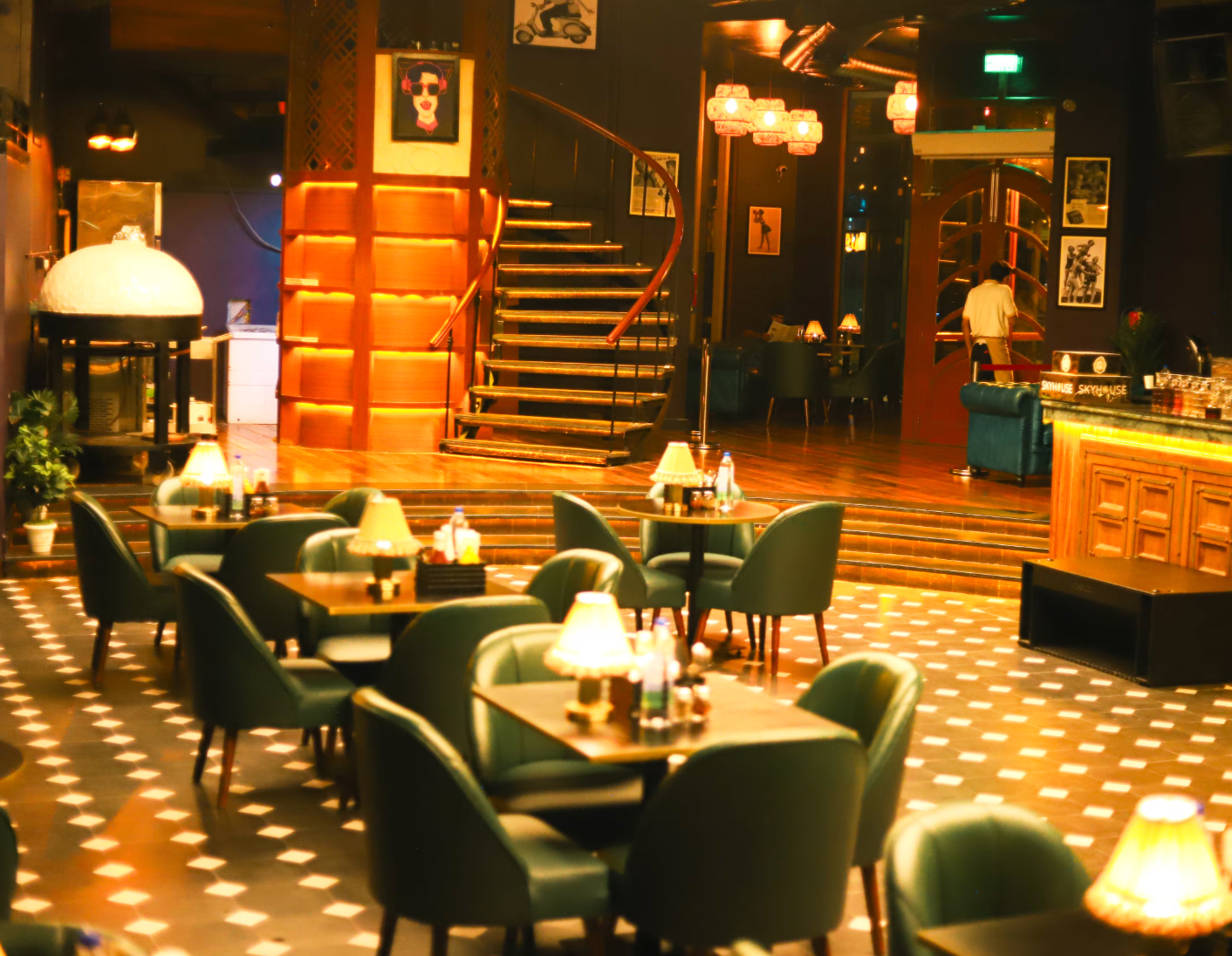

Have you felt the energy shift in our cities and towns? India is experiencing a fundamental change in how it eats. The aroma of sizzling spices and the clatter of plates are no longer confined to occasional celebrations but have become the soundtrack of our daily lives. As restaurant coaches, we see this daily—restaurants in smaller towns like Nagpur and Coimbatore are growing at nearly twice the rate of those in Mumbai or Delhi. The market is projected to reach a staggering ₹10.3 lakh crore ($123.5 billion) by 2033.

burger 1
But here’s the stark reality that keeps many owners up at night: beneath this headline of explosive growth lies a challenging landscape. An estimated 60-70% of new restaurants in India struggle to survive their first year. The competition isn’t just from the restaurant down the street anymore; it’s from global giants expanding rapidly, savvy cloud kitchens, and delivery platforms that shape consumer habits.
So, where does that leave you, the passionate restaurateur? This boom is not a rising tide that lifts all boats equally. It’s a call to action for strategic, intentional business building. This article will break down what this “eating-out explosion” truly means for you and provide a clear, actionable roadmap to not just survive, but to thrive and build a lasting, profitable brand.
The original news highlighted impressive growth figures, but as coaches, we need to look deeper at the nature of this growth to find your opportunity. It’s driven by three powerful, interconnected forces:
The Regional Renaissance: There is a massive, underserved hunger for authentic, regional cuisine. Google’s search data shows soaring interest in foods like Thekua from Bihar, Ugadi Pachadi from Telugu traditions, and Kolukattai from Tamil Nadu. Swiggy’s latest report confirms that cuisines like Pahari, Bihari, and Bengali are moving firmly into the mainstream. This is a golden opportunity for authentic brands.
The Rise of the “Convenience Economy”: Speed and accessibility are now non-negotiable. Platforms like Swiggy report that their ultra-fast “Bolt” format, designed for orders fulfilled in minutes, already accounts for 10% of all food orders. This isn’t just about delivery; it’s about operational models built for the pace of modern Indian life.
Experimentation as the New Normal: The Indian diner is more adventurous than ever. Searches for international dishes like Yorkshire Pudding and Chimichurri sit alongside traditional favorites. Diners crave novelty, but they also seek comfort and nostalgia, creating a unique space for fusion and innovation.
This shifting landscape creates both clear threats and powerful opportunities for every owner, from QSR operators to fine-dining chefs.
For QSR & Cloud Kitchen Operators: You are at the epicenter of the convenience trend. However, competing on speed and price alone is a race to the bottom against heavily funded giants. Your differentiator must become “convenience with character.” Can you offer a regional twist on a burger? Can your cloud kitchen brand tell a compelling story about its Bihari-inspired meal box?
For Cafe & Casual Dining Owners: Your space as a “third place”—a community hub—is more valuable than ever. But you must offer more than just good coffee. Patrons are looking for experiential dining and Instagram-worthy moments that blend food with culture. Think about how you can showcase a regional beverage trend or host a pop-up featuring a trending cuisine.
For Food Entrepreneurs & Fine Dining: The demand for authenticity and high-quality experimentation is your playground. The risk here is complexity. A bloated menu trying to cater to every trend leads to high food costs, waste, and operational chaos. The winning strategy is a tightly focused, seasonal menu that tells a clear story—whether it’s modern Indian or hyper-local regional.
Reading about trends is one thing; acting on them is another. Here is a practical, step-by-step plan you can implement starting next week.
Conduct a “Menu Truth” Audit. This is the single most impactful exercise we run with clients at RestaurantCoach.in. For one week, rigorously track two things:
The Profitability of Each Dish: Calculate the exact food cost percentage for your top 20 items.
Customer Popularity: Use your POS data to identify your best-sellers.
Plot this on a simple grid. You will quickly see which dishes are your “Stars” (high profit, high popularity) and which are “Dogs” (low profit, low popularity). Immediately begin pruning the low performers. A streamlined menu can boost same-store sales growth by improving kitchen efficiency and ingredient utilization.
Embrace One Authentic Regional Niche. Don’t try to be everything to everyone. Based on your skills and local demand, deeply integrate one regional cuisine or ingredient trend into your brand. For example:
Introduce a seasonal “Bihari Food Festival” featuring Thekua and Litti Chokha.
Create a signature summer drink with Gond Katira, explaining its heritage in your marketing.
Feature a “Pahari Bowl” as a weekly special. This focus makes marketing easier and builds a reputation for authenticity.
Master the “Digital Storefront.” 77% of diners check a restaurant online before visiting. Your Google Business Profile (GBP) is more important than your physical facade for first impressions.
Optimize Completely: Fill every field—use keywords like “best Gujarati thali in [Your City]” in your description.
Post Weekly: Use Google Posts to showcase your new regional special, a team member spotlight, or a behind-the-scenes video. This signals freshness to Google’s algorithm.
Manage Reviews Religiously: Respond to 100% of reviews, especially negative ones, professionally and promptly. This improves your local SEO and shows you care.
Engineer Your Operations for Speed & Quality. Convenience is king. Audit your customer journey for friction points.
Is your website mobile-friendly and fast? Over 90% of restaurant searches happen on phones.
Can customers order for pickup easily via a direct link on your Instagram?
For delivery, can you package items to travel better? Consider a separate, optimized “Delivery Menu” with items that hold quality.
Implement a cloud-based POS and inventory system to reduce waste and make data-driven decisions.
Build a Coaching Culture, Not Just a Staff. The greatest threat to consistency is high staff turnover, which plagues the Indian restaurant industry. Shift from a managing mindset to a coaching mindset.
Invest in cross-training so your team feels valued and versatile.
Implement simple, regular feedback sessions using models like the SBI (Situation-Behavior-Impact) framework to give constructive, not critical, feedback.
When your team understands the “why” behind the recipe or the service standard, they become brand ambassadors who deliver memorable experiences.
In our coaching sessions at RestaurantCoach.in, we often see owners chasing every new trend, leading to exhaustion and a diluted brand. The key is strategic focus.
This boom is not about doing more; it’s about doing what matters better. The public markets may celebrate the expansion of pizza and burger chains, but the real, sustainable wealth in this industry is being built by founders who connect deeply with a specific community or culinary tradition.
Think like an investor in your own business: what is your unique, defensible “moat”? Is it your family’s 50-year-old recipe for Modak? Is it your unparalleled knowledge of Naga cuisine? Is it the incredibly loyal community that gathers at your cafe? Double down on that. Protect it through consistent quality, tell its story at every touchpoint, and build your operations to support it profitably. That is how you build a business that lasts for decades, not just quarters.
It’s happened again. Just as we were all getting used to the last round of…
The Indian food business is often romanticized, but the reality is that it’s a battlefield…
The news is out, and it’s creating quite a buzz in the Indian food and…
Swiggy vs Zomato Q3 Results: What It Means for Restaurant Owners The latest quarterly results…

Founded in 2015 by seasoned restaurant professionals who understood the challenges faced by food entrepreneurs in India, Restaurant Coach began as a vision to democratize restaurant success.

Founded in 2015 by seasoned restaurant professionals who understood the challenges faced by food entrepreneurs in India, Restaurant Coach began as a vision to democratize restaurant success. After witnessing countless talented chefs and passionate food lovers struggle with business aspects of restaurant operations, our founders decided to bridge the gap between culinary passion and business acumen.