Demos
Demos  Colors
  Docs
Docs  Support
Home 15
Newly Added



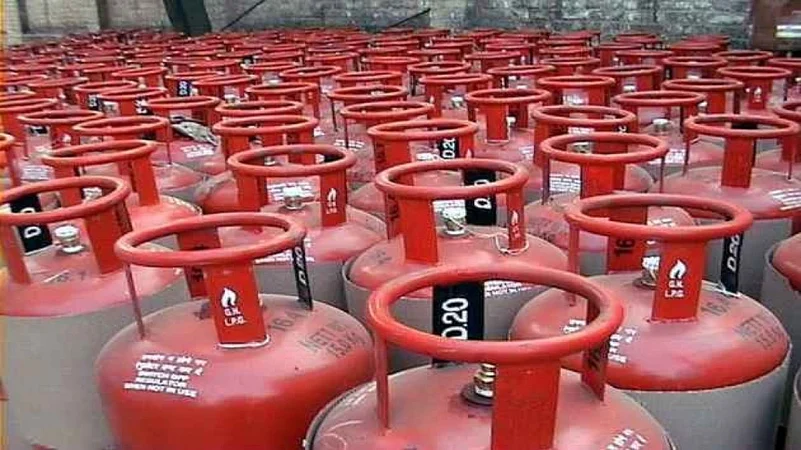
The news is alarming, and we know your phones are buzzing with messages from worried peers. Reports from Maharashtra and across India indicate a severe commercial LPG shortage, forcing 30-35% of hotels and restaurants to temporarily shut their doors . The Hotel and Restaurant Association (Western India) – HRAWI has urgently appealed to the Maharashtra government for a license fee extension, highlighting the critical liquidity crunch the industry faces.
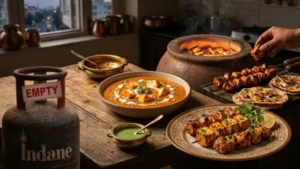
lpg
If you’re a restaurant owner reading this while nervously eyeing your nearly-empty LPG cylinder, take a deep breath. Panic is not a strategy. As a restaurant business coach who has helped countless food entrepreneurs navigate everything from the pandemic lockdowns to sudden policy shifts, I’m here to tell you that you can get through this. This isn’t just a crisis; it’s a stress test for your business model.
At RestaurantCoach.in, we specialize in turning operational chaos into streamlined success. Let’s break down what this LPG shortage means for you and, more importantly, exactly what you need to do about it right now.
The original news from HRAWI paints a stark picture: a “near-complete halt” in commercial LPG supply from distributors has led to a significant shutdown of establishments in Maharashtra . This isn’t an isolated incident in Mumbai or Pune. The ripple effects are being felt nationwide, from Bengaluru’s tech corridors to the bustling streets of Delhi, driven by geopolitical tensions impacting imports through the Strait of Hormuz .
The hospitality body has requested the government to extend the annual license fee deadline from March 31 to April 30 and allow staggered quarterly payments . This is a crucial relief measure because when your primary fuel source vanishes, your cash flow doesn’t just slow down—it hits a wall. You’re paying staff, maintaining premises, and managing suppliers, all without the ability to cook a full menu .
This situation exposes a vulnerability many restaurant owners ignore: over-dependence on a single energy source and a lack of crisis protocols. We’re seeing establishments operate with curtailed hours and restricted menus, desperately trying to stretch their last few cylinders . But as one industry expert noted, if this persists, a “new normal” will emerge, and the economic implications will be vast .
You might be thinking, “I have a backup cylinder, I’ll be fine.” But this shortage isn’t just about running out of gas; it’s a multi-layered attack on your profitability.
Immediate Revenue Loss: If you can’t cook, you can’t sell. The NRAI has noted that some regions are seeing up to 20% of outlets suspending operations . Every day you’re on a limited menu or closed is a day your competitors (who might have found a workaround) eat your lunch.
The Cash Flow Crunch: This is the silent killer. Even if you’re partially open, the request by HRAWI for staggered license fees highlights a massive liquidity issue . Your money is tied up in salaries, rent, and unpaid supplier bills, but your income is slashed. This makes paying that hefty annual license fee by March 31st nearly impossible for many.
Soaring Operational Costs: Desperate times lead to desperate measures. Those who are lucky enough to find LPG on the black market are paying a premium. Others are rushing to buy induction cooktops, but the surge in demand has led to stockouts and price hikes . Switching to alternative fuels like electric or even coal for tandoors involves capital expenditure you hadn’t budgeted for . Your cost per cover is about to skyrocket.
Menu Rationalization (The New Reality): You might have to temporarily say goodbye to your high-margin, slow-cooked signature dishes. Dishes that require deep frying, long simmers, or excessive flame are becoming liabilities . This forces you to alter the very identity of your restaurant, which can confuse and disappoint loyal customers.
Enough about the problem. Let’s talk solutions. Based on our coaching framework at RestaurantCoach.in, here are the immediate, actionable steps you must take to navigate the next 30 days.
Walk into your kitchen right now. How much LPG do you actually have? Don’t guess. Check every cylinder.
Action: Calculate your daily consumption based on your current, restricted menu. How many days can you survive?
Strategy: If you have 5 days of fuel, plan for a 4-day week. Close on your slowest day (e.g., Monday or Tuesday) to conserve fuel and give your staff a break. It’s better to be closed one day a week than to run out mid-service on a Saturday.
This is not the time for ego or culinary complexity. It’s time for survival. Look at your menu and identify fuel-guzzling items.
Action: Remove anything deep-fried (pakoras, samosas, poori), anything slow-cooked (shorbas, dal makhani on dum), and tandoori items if your tandoor is coal/gas intensive.
Strategy: Pivot to a “power menu” of dishes that can be made quickly with minimal fuel. Think rice and lentils, stir-fries, sandwiches, griddled items, and cold preparations like chaats or salads . This isn’t permanent, but it keeps you operational.
The rush for induction cooktops is on, and stocks are depleting . But don’t just buy any appliance.
Action: Identify your best-selling “survival dish” and buy the electric equipment needed to make it.
Strategy: If you’re a South Indian restaurant, an electric dosa griddle is a must. If you serve rice bowls, an electric rice cooker is your best friend. If you run a QSR, electric ovens and fryers can be a game-changer . This is an investment in business continuity.
Following HRAWI’s lead, you must ask for relief.
Action: Call your landlord and explain the situation. Ask for a 15-day rent deferment. Call your key suppliers and negotiate longer payment cycles. If you can’t pay your annual license fee, apply for the staggered payment mechanism the industry is requesting .
Strategy: Remember, a vendor getting paid late is better than a vendor not getting paid at all because you went out of business. Be transparent.
Train your kitchen staff immediately. This is where “coaching” meets reality.
Action: Implement strict fuel-saving protocols. Turn off pilot lights when not in use. Always use lids on pots. Pre-soak dal and beans to reduce cooking time. Batch cook and hold items safely, rather than cooking à la minute for every order .
Strategy: Assign a “Fuel Captain” for every shift whose job is to ensure no burner is left on idle. You’ll be surprised how much you can save with discipline.
Don’t let your guests walk in and get frustrated by a limited menu. Control the narrative.
Action: Use your social media (Instagram, WhatsApp Business) to post your “Temporary Crisis Menu” every morning. Put a friendly sign at the entrance: “Due to the national LPG shortage, we are offering a specially curated limited menu to ensure we can continue serving you. Thank you for your understanding!”
Strategy: Turn a negative into a positive. Frame it as “fresh,” “focused,” and “curated.” It builds goodwill and avoids negative reviews.
When liquidity is tight, ignorance is not bliss.
Action: Create a simple 13-week cash flow forecast. Map out exactly when money is coming in (daily sales) and when it must go out (rent, salaries, electricity) .
Strategy: This will show you exactly when you might run out of cash. It allows you to make decisions—like deferring a payment or closing for an extra day—before the crisis hits, not after.
In my years of coaching, I’ve seen that the restaurants that survive shocks like this aren’t necessarily the ones with the deepest pockets. They are the ones with the most adaptable mindsets.
This LPG shortage is a powerful reminder that in the restaurant business, change is the only constant. We spend so much time perfecting our recipes and dining experiences that we often neglect our operational resilience. A resilient restaurant has three things: diversified energy sources, a flexible menu architecture, and a cash buffer .
Think about energy diversification the way you think about your supplier base. Just as you wouldn’t rely on one vegetable vendor, you cannot rely 100% on LPG. The future of Indian kitchens will be hybrid—using LPG for wok hei in your Chinese dishes, induction for precise sauce temperatures, and electric ovens for baking. This isn’t just about surviving a crisis; it’s about long-term cost control. As energy prices fluctuate, the ability to switch between sources gives you pricing power .
This is exactly the kind of strategic thinking we focus on in our coaching programs at RestaurantCoach.in. We don’t just help you open a restaurant; we help you build a business that can weather any storm.
The commercial LPG shortage is undeniably a severe blow to the Indian restaurant industry. The reports of shutdowns and pleas for government relief are real and urgent . However, as a restaurant owner, you have a choice: you can be a victim of the situation, or you can be a leader who adapts.
By immediately simplifying your menu, securing alternative energy sources, and managing your cash flow with hawk-like focus, you can navigate this crisis. The restaurants that implement these action steps today will be the ones welcoming back full crowds when the supply chain normalizes tomorrow.
Need expert guidance to navigate these industry changes? Our restaurant coaching programs at RestaurantCoach.in help food entrepreneurs like you build profitable, sustainable businesses that can handle anything from an LPG shortage to a changing market. [Contact us today] to transform your restaurant vision into reality.
Previous Post
The Indian food and beverage (F&B) industry is buzzing with news that has significant implications…
Maharashtra PNG Supply Hike: A Restaurant Coach’s Guide to Relief and Resilience For restaurant owners…
The Fast-Food Diabetes Link: What Telangana’s Health Warning Means for Your Restaurant’s Future As a…
As restaurant business coaches in India, we at RestaurantCoach.in spend a lot of time in commercial kitchens.…

Founded in 2015 by seasoned restaurant professionals who understood the challenges faced by food entrepreneurs in India, Restaurant Coach began as a vision to democratize restaurant success.

Founded in 2015 by seasoned restaurant professionals who understood the challenges faced by food entrepreneurs in India, Restaurant Coach began as a vision to democratize restaurant success. After witnessing countless talented chefs and passionate food lovers struggle with business aspects of restaurant operations, our founders decided to bridge the gap between culinary passion and business acumen.