Demos
Demos  Colors
  Docs
Docs  Support
Home 15
Newly Added



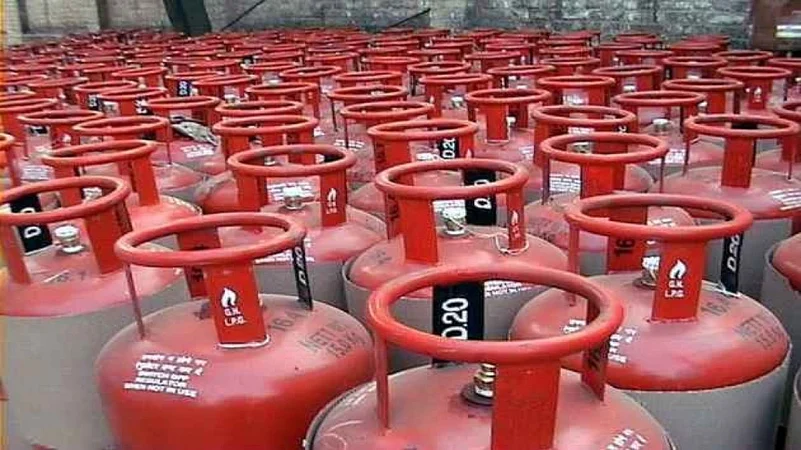
The news hit the restaurant industry like a wave this week. First, it was a murmur about supply chain disruptions, and then, reports flooded in from Mumbai, Bengaluru, and other metro cities: commercial LPG cylinders were running dry. For many Quick Service Restaurants (QSRs) and independent eateries, the immediate fear was a forced shutdown or a drastically limited menu.
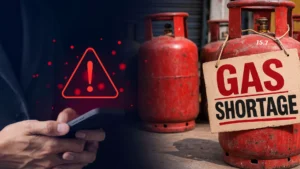
gas shortage
As headlines focus on stock market dips for giants like Jubilant FoodWorks and Westlife FoodWorld, we at RestaurantCoach.in are focused on what matters more to you: How do you, as a restaurant owner, navigate this crisis?
This isn’t just a news story about analyst ratings; it’s a real-world operational challenge for the 500,000+ organised food businesses in India. Whether you run a bustling QSR in Gurugram, a cloud kitchen in Pune, or a beloved local cafe in Delhi, this LPG shortage is a critical test of your business’s resilience. In this guide, we break down the real impact and, more importantly, provide a concrete action plan to protect your restaurant.
The core issue stems from a geopolitical logjam at the Strait of Hormuz, a critical transit point for our energy imports. This choked supply line has led to a scarcity of commercial LPG cylinders, the lifeblood of most Indian kitchens.
While the government has stepped in, ordering domestic refineries to boost production and secure alternative cargoes, the reality on the ground is that dispatches of non-domestic cylinders have been temporarily halted in several regions to prioritise household needs.
This isn’t a problem that will magically disappear overnight. Analysts at JM Financial Institutional Securities estimate that 60-65% of cooking in major QSRs relies on LPG, with most chains holding only a one-to-two-week buffer. For smaller, independent restaurants, that buffer is often even smaller.
The stock market has already reacted, with shares of major players taking a hit. But for the restaurant owner, the concern isn’t the stock price; it’s the very real risk of:
Reduced operating hours.
Inability to serve high-volume or LPG-intensive items (like fried chicken or tandoori dishes).
Increased costs due to the already 8% month-on-month price hike in commercial cylinders.
Potential wastage of perishable inventory if operations are suddenly halted.
The headlines may talk about a 6% revenue dip for listed players, but for a standalone restaurant, the impact can be far more severe. Let’s look at the ground-level realities:
1. Skyrocketing Operational Costs
The price of commercial LPG cylinders has already increased. If the shortage persists, we could see further hikes or the emergence of a black market. Your meticulously planned food cost percentages will go out the window. Every dish that requires deep frying or high-heat cooking suddenly becomes less profitable.
2. Menu Disruption and Customer Dissatisfaction
Your menu is your promise to your customer. When you have to tell a customer, “Sorry, we’re not serving fried chicken today,” or “Our tandoors are closed,” you’re not just losing a sale; you’re damaging the trust and experience they expect from your brand. In our coaching experience, inconsistent menu availability is one of the fastest ways to lose regular customers.
3. The Cloud Kitchen Conundrum
For cloud kitchens, which often operate on razor-thin margins and high-volume efficiency, this is a nightmare scenario. Your entire business model is built on a specific menu. If you can’t cook your hero products, your aggregator ratings plummet, and your revenue stream dries up instantly. You don’t have a dine-in customer to upsell to; you have a “closed” sign on Swiggy and Zomato.
4. The Margin Squeeze for Fine Dining and Speciality Restaurants
Restaurants that rely on specific cooking methods—think sizzlers, wood-fired pizzas, or traditional Indian thalis that use a tandoor or extensive frying—are hit hardest. You can’t simply switch to an all-grill menu without losing your concept’s identity and customer base.
Panic is not a strategy. Here are the immediate, actionable steps you can take, based on strategies we’ve successfully implemented with our coaching clients at RestaurantCoach.in.
1. Audit Your LPG Consumption Immediately
Don’t wait for the cylinder to run out mid-service. Track your daily usage for the next three days. Which dishes are your biggest gas guzzlers? This data is the foundation of your crisis management plan.
2. Adapt Your Menu Strategically
This is your single most powerful tool.
Promote Low-Gas Items: Feature dishes that require boiling, steaming, or can be prepared in a convection oven or microwave. Highlight salads, cold sandwiches, or pre-prepared cold desserts.
Limit High-Gas Items: Don’t remove your best-sellers, but limit their availability. You can create a “Today’s Specials” board featuring only low-LPG items, subtly guiding customer choice.
Batch Cooking: Maximise every minute your stove is on. Cook larger batches of base gravies, dals, or rice during a single heating session and cool them down safely for service.
3. Explore Alternative Cooking Solutions Immediately
Induction Cooktops: While they rely on electricity, high-power induction cooktops can be a lifesaver for specific tasks like shallow frying, boiling, and making sauces. They are an excellent short-term investment.
Electric Tandoors and Ovens: If you run a North Indian restaurant, see if an electric tandoor can temporarily replace your traditional one for some items.
Wood-Fired Ovens: If you have one, this is your time to shine. Promote your wood-fired pizzas or barbecued items as a unique selling point.
4. Communicate Transparently with Your Customers
Use your social media, your Zomato/Swiggy bio, and in-store signage. Tell your customers, “Due to the industry-wide LPG situation, we are temporarily focusing on our [Category, e.g., ‘grilled specialties’] to ensure we serve you without interruption.” Customers are more understanding when they are informed. Turn a negative into a positive by promoting what you can do.
5. Diversify Your Fuel Supply
Don’t rely on a single vendor. If you aren’t already, start building relationships with multiple LPG distributors in your area. Register with smaller, local agencies. Yes, it’s administrative work, but having multiple suppliers is a core part of supply chain resilience.
6. Review Your Vendor Contracts
If you are a larger operation, now is the time to review your contracts. Do you have a force majeure clause? Can you renegotiate terms with your produce suppliers if you need to change your menu mix and order different ingredients? Proactive communication with your entire supply chain is crucial.
7. Analyse Your Menu Engineering
This crisis is a harsh teacher. At RestaurantCoach.in, we always emphasise the importance of menu engineering. Use this disruption as an opportunity to analyse which items have the best margins and which are the most resource-intensive. When normalcy returns, you’ll have a data-backed plan for a more resilient and profitable menu.
Over the years, we’ve helped dozens of restaurant owners navigate everything from pandemic lockdowns to sudden ingredient price spikes. The common thread among those who survived—and even thrived—is adaptability.
This LPG shortage is a stark reminder that external shocks are inevitable. The restaurants that will emerge stronger are those that treat this not as a one-off problem, but as a case study for their own resilience planning.
Think beyond this crisis. What is your backup plan for a power outage? For a water shortage? For a sudden spike in the price of your key ingredient? The answers to these questions should be part of your standard operating procedures, not something you scramble to figure out when the crisis hits.
This situation also highlights the vulnerability of being overly reliant on a single energy source. While electrification of commercial kitchens has its own challenges, exploring a hybrid model for the future—where you can switch between gas and high-capacity electric appliances—might be a strategic move worth investigating.
Q: How long is this LPG shortage expected to last?
A: While analysts hope government intervention will restore supply shortly, the situation is fluid. It’s wise to prepare your operations for at least 2-4 weeks of constrained supply.
Q: Can I use a domestic LPG cylinder for my restaurant?
A: No. Using subsidised domestic cylinders for commercial purposes is illegal and can lead to severe penalties, including the cancellation of your license. It also compromises safety standards.
Q: I’m a small cafe. Should I just shut down for a few days?
A: Shutting down should be the absolute last resort. It erodes customer loyalty and employee income. First, try the menu adaptation strategies mentioned above. A limited-service day is always better than a closed door.
The current LPG shortage is undeniably a challenge for the Indian restaurant industry. But as we’ve seen time and again, our industry is nothing if not resilient. By staying informed, adapting your menu, communicating with your customers, and diversifying your approach, you can not only weather this storm but also build a stronger, more adaptable business for the future.
Don’t navigate these complex challenges alone. Need expert guidance to navigate this crisis and build a more resilient, profitable business? Our coaching programs at RestaurantCoach.in are designed to help food entrepreneurs like you turn challenges into opportunities.
[Click Here to Book a Free Consultation with Our Restaurant Coaching Experts] and let’s build your restaurant’s success story together.
Previous Post
The Indian food and beverage (F&B) industry is buzzing with news that has significant implications…
Maharashtra PNG Supply Hike: A Restaurant Coach’s Guide to Relief and Resilience For restaurant owners…
The Fast-Food Diabetes Link: What Telangana’s Health Warning Means for Your Restaurant’s Future As a…
As restaurant business coaches in India, we at RestaurantCoach.in spend a lot of time in commercial kitchens.…

Founded in 2015 by seasoned restaurant professionals who understood the challenges faced by food entrepreneurs in India, Restaurant Coach began as a vision to democratize restaurant success.

Founded in 2015 by seasoned restaurant professionals who understood the challenges faced by food entrepreneurs in India, Restaurant Coach began as a vision to democratize restaurant success. After witnessing countless talented chefs and passionate food lovers struggle with business aspects of restaurant operations, our founders decided to bridge the gap between culinary passion and business acumen.