Demos
Demos  Colors
  Docs
Docs  Support
Home 15
Newly Added



The Indian Quick Service Restaurant (QSR) landscape is heating up, and a significant move by a major player has just sent ripples through the industry. Chinese Wok, the popular Chinese QSR chain from Lenexis Foodworks, has appointed Havas Creative India and Arena Media as its integrated partner for creative, social, and digital media. While this might sound like standard corporate news, for a restaurant owner or food entrepreneur, it’s a strategic signal you cannot afford to ignore.
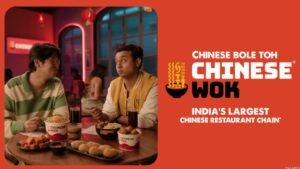
chinese wok
At RestaurantCoach.in, we specialize in helping restaurant owners decode industry movements and turn them into actionable growth strategies. This isn’t just about one brand hiring an agency; it’s a textbook example of how restaurants must evolve to survive and thrive in India’s hyper-competitive food market. Let’s break down what this news really means for you and, more importantly, what you should do about it.
For those who missed the headlines, Chinese Wok is sharpening its focus on the youth. They’ve partnered with Havas to lead their creative strategy, social media, content creation, and digital performance marketing. The goal? To build a cohesive brand narrative that resonates deeply with young consumers and scales seamlessly across their 260+ outlets, with an ambitious target of reaching 500 stores.
This is more than a routine agency switch. It’s a strategic declaration of intent. The brand is moving away from fragmented, tactical marketing to a unified, platform-led approach. They are investing in “cultural IPs” like Wok FM and Crush Hour, aiming to become a part of the pop culture conversation, not just a food option.
As Vikas Iyer, Marketing Head at Lenexis Foodworks, stated, the focus is on creating “sharper campaigns, stronger digital ecosystems, and measurable impact.” This is the language of modern, data-backed, and growth-focused restaurant management. They are building a marketing machine designed for national scale, ensuring that whether you’re in a Tier 1 city or a Tier 3 town, the brand experience is consistent, engaging, and culturally relevant.
You might be thinking, “I run a single outlet in Bangalore, how does a national chain’s marketing move affect me?” The answer is: directly and significantly. This move highlights the new rules of the restaurant game in India.
Your customers, especially the Gen Z and Millennial demographic, are being exposed to sophisticated, integrated marketing from brands like Chinese Wok. They experience seamless online-to-offline journeys—a funny Instagram reel, a tempting targeted ad, a trendy in-store moment they can share on their stories. When they walk into your restaurant, they will unconsciously compare that experience. A simple “please follow us on Instagram” board won’t cut it anymore. The expectation for a cohesive brand vibe has been permanently raised.
Chinese Wok is investing in “data-backed creative decisions.” This means their ads, menu promotions, and even in-store music are likely influenced by customer data. For independent owners, this might sound like science fiction, but the principle is crucial. Gut-feel marketing is dead. You need to know which of your dishes are most photographed, which social posts get the most saves, and what time of day your customers are most active online.
Chinese Wok’s goal of 500 stores isn’t just about opening new kitchens. It’s about creating a unified marketing system that works everywhere. For you, even if you’re not scaling to 500 outlets, building simple, repeatable systems for your marketing—a content calendar, a process for responding to reviews, a weekly social media checklist—is what will free you from the daily chaos and allow you to focus on your food and customers. Our coaching experience at RestaurantCoach.in has shown that the absence of simple systems is the number one reason restaurant owners feel overwhelmed and stuck.
By investing in IPs like “Wok FM,” Chinese Wok is trying to become a part of the customer’s lifestyle, not just a solution for hunger. They are associating their brand with music, conversation, and fun. This is a powerful lesson. Your restaurant can also tap into local culture—sponsor a local college fest, host an open-mic night for local artists, or create a special menu around a local festival. This builds community in a way that a “20% off” offer never can.
Feeling the pressure? Don’t. As a restaurant coach, I see this as an incredible opportunity to professionalize your approach. Here are five actionable steps you can take starting today, inspired by the Chinese Wok strategy:
Audit Your “Brand Vibe”: Spend 30 minutes looking at your restaurant’s online presence (Google My Business, Instagram, Zomato) and your physical space. Is the messaging consistent? Does your Instagram look as good as your dining area? Does your menu design match your brand’s personality? Identify one major inconsistency and fix it this week.
Identify Your Own “Cultural IP”: You don’t need a “Wok FM.” What’s your restaurant’s unique cultural hook? Are you the go-to spot for post-work beers? The best place for a quiet, romantic dinner? The home of the city’s spiciest biryani? Define your unique vibe and lean into it with your content.
Start Using Free Data Tools:
Instagram & Facebook Insights: See what time your followers are online and what posts they like.
Google My Business Insights: See how customers are finding you and what questions they ask.
Zomato/Swiggy Merchant Panel: Analyze which dishes have the highest ratings and which combos are most popular. Use this data to inform your next special or combo offer.
Plan a Simple “Online-to-Offline” Campaign: Create a simple hook that connects your digital audience to your physical restaurant. For example: “Show this post at the counter for a free dessert with every main course.” Or, create an Instagram-worthy corner in your restaurant and encourage customers to check-in online. Track how many people actually do it.
Build a Content Calendar for One Month: Stop posting randomly. Dedicate two hours to plan one month’s worth of content. Mix it up:
Product Shots: Your hero dishes.
Behind-the-Scenes: Your chefs at work, a vegetable delivery.
User-Generated Content: Repost a customer’s great photo.
Engagement: A poll asking “Which is better: Our Chicken or Paneer Manchurian?”
Local Connect: A post celebrating a local festival or event.
Focus on Your Core Repeatable Dish: Chinese Wok’s strength is its focused menu. Do you have a signature dish that people travel for? If not, your goal should be to create one. If you do, your marketing goal is to make it famous in your locality. This is your “hero product.”
From our vantage point at RestaurantCoach.in, we see a clear divide forming in the Indian restaurant industry. On one side, there are owners who see themselves as just “running a restaurant”—they focus on the day-to-day and marketing is an afterthought. On the other side are those who see themselves as brand builders and business owners—they understand that every interaction, from a Google search to a bite of food, is part of their brand story.
The Chinese Wok news is a perfect example of the latter. They are not just reacting to the market; they are proactively investing in their brand’s future. They understand that in a crowded market, the strongest brand wins. This doesn’t necessarily mean you need the biggest budget; it means you need the clearest strategy and the most consistent execution.
The trend is clear: integration, data, and culture are the new cornerstones of restaurant success. Whether you run a cloud kitchen in Gurugram or a fine-dine restaurant in Mumbai, these principles apply. You must integrate your online and offline worlds, let customer data guide your decisions, and strive to become a meaningful part of your customers’ culture, however small that culture might be.
This level of strategic thinking is exactly what we help our clients achieve. It’s about moving from a reactive, survival mode to a proactive, growth-oriented mindset. The restaurants that embrace this shift will not just survive; they will define the future of eating out in India.
Chinese Wok’s strategic partnership with Havas is more than just news; it’s a roadmap. It signals a shift towards professional, integrated, and culturally-aware restaurant branding that every owner, big or small, needs to understand. The competition isn’t just about food anymore; it’s about who tells the best story and creates the most compelling experience.
You don’t need a big agency to start. You need a clear plan and the discipline to execute it.
Ready to build a restaurant brand that stands out and scales? At RestaurantCoach.in, we provide the expert guidance and proven systems to help you navigate these industry changes and build a profitable, sustainable business. Let’s work together to transform your restaurant vision into reality. [Contact us today for a free discovery call]
Previous Post
Next Post
The Indian food service industry is witnessing a fascinating shift. Homegrown brands are no longer…
The recent buzz around Indiranagar, Bangalore—where several popular cafes are reportedly restricting laptop usage—has sparked…
As a restaurant business coach working with food entrepreneurs across India, I’ve seen a recurring…

Founded in 2015 by seasoned restaurant professionals who understood the challenges faced by food entrepreneurs in India, Restaurant Coach began as a vision to democratize restaurant success.

Founded in 2015 by seasoned restaurant professionals who understood the challenges faced by food entrepreneurs in India, Restaurant Coach began as a vision to democratize restaurant success. After witnessing countless talented chefs and passionate food lovers struggle with business aspects of restaurant operations, our founders decided to bridge the gap between culinary passion and business acumen.