Demos
Demos  Colors
  Docs
Docs  Support
Home 15
Newly Added




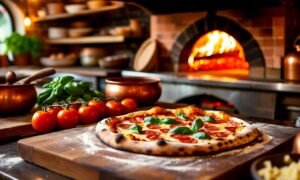
pizza
The story of pizza in India has evolved far beyond a simple foreign food. Today, it’s a powerful economic engine driving the entire Quick-Service Restaurant (QSR) sector. As a restaurant business coach, I see this not just as a trend, but as a masterclass in modern food business strategy. The numbers speak for themselves: India’s pizza market, valued at USD 5.81 billion in 2025, is projected to more than double to a staggering USD 12.49 billion by 2034.
But what does this mean for you, the Indian restaurant owner, cafe proprietor, or food entrepreneur? This isn’t just news for pizza chains. The underlying shifts in consumer behavior, operational scalability, and market competition revealed by pizza’s dominance offer critical lessons for every food business. In this guide, we’ll decode these trends and translate them into actionable strategies you can implement to future-proof your own venture, whether you serve pizza, biryani, or dosas.
Pizza’s rise is a direct reflection of India’s changing urban fabric and consumption habits. It’s a perfect storm of convenience, familiarity, and adaptability. Being a highly “deliverable” product, pizza has thrived with the digital revolution, with delivery accounting for roughly 65% of sales in metropolitan areas. This aligns perfectly with the growth of online food aggregators and our increasingly time-pressed lifestyles.
However, the market is maturing beyond basic delivery. A significant trend is the move towards premiumization and ingredient consciousness. Leading chefs in the space note that consumers now demand transparency, quality sourcing, and better digestion. Think 72-hour cold-fermented sourdough crusts, artisanal cheeses, and locally inspired gourmet toppings. Pizza is being reimagined as a lighter, thoughtful indulgence—a shift that mirrors a broader consumer demand across all food categories.
From an operational standpoint, pizza offers a highly scalable business model. Its core components (dough, sauce, cheese) create a predictable cost base, while toppings allow for easy menu engineering and upselling. This scalability is amplified by technology for demand forecasting and centralized production. Furthermore, successful brands are mastering hyper-localization, adapting not just toppings but even spice profiles and fermentation styles to suit city-specific palates.
You don’t need to sell pizza to feel the impact of this market shift. The forces propelling pizza’s growth are reshaping the entire competitive landscape. Here’s how it directly affects your business:
Intensified Competition for Share of Stomach: With global giants like Domino’s (over 2,000 outlets) and Pizza Hut dominating, and new entrants like Gordon Ramsay Street Pizza and Papa John’s entering the fray, consumers have endless choices. Their marketing spend and delivery deals raise customer expectations for speed, value, and convenience across the board.
The New Consumer Mandate: The trends driving premium pizza—ingredient transparency, health-conscious options, and experiential dining—are now universal demands. A 2026 food trends report highlights that modern diners, especially younger generations, use food for emotional satisfaction and personal expression, a concept termed “Vibe-Mathing”. They seek “everyday little luxuries” and are willing to pay for quality and a brand that feels “cool”.
The Operational Benchmark: Pizza chains have set a high bar for technology-driven efficiency and unit economics. Their reliance on streamlined SOPs (Standard Operating Procedures), data-led menu engineering, and optimized delivery logistics means that inefficient operations in other segments will struggle to compete on cost and consistency.
The Blurring of Formats: The rise of “pizza bars” (30-60 seat dine-in experiences) alongside cloud-kitchen-only models shows that successful brands are agile. This challenges traditional restaurant owners to think flexibly about their service model—should you strengthen your direct delivery, enhance your dine-in vibe, or both?
How can you apply these lessons? Here are five concrete actions to integrate pizza’s success drivers into your business.
Move beyond a static list of dishes. Treat your menu as a dynamic, strategic asset.
Embrace “Choice Therapy”: Introduce build-your-own options or modular meal components. As seen in broader QSR trends, giving customers small, sensory choices (like sauce selections, spice levels, or add-ons) creates a sense of personal agency and increases perceived value.
Showcase Premium Ingredients: Follow the pizza sector’s lead. Highlight the origin of your spices, the type of grains you use, or your farm partnerships. A simple note like “locally sourced organic vegetables” or “48-hour slow-cooked sauce” tells a story of quality.
Cater to Solo and Custom Occasions: Solo dining now makes up 47% of QSR occasions. Ensure your menu and packaging cater to single servings. Also, offer personalized combos or “tasting menus” that allow for a curated, special experience without a large group.
Your strategy must be omnichannel. You cannot rely on aggregators alone.
Optimize for Delivery Aggregators: Ensure your travel-packaging is functional and branded. Streamline your menu on these platforms to feature your best-selling, most travel-resistant items. Use high-quality images.
Build Direct Ordering Channels: This is crucial for profitability. Develop a simple, mobile-friendly website with integrated ordering or partner with commission-free tech platforms. Incentivize direct orders with exclusive offers or a points-based loyalty program. As we advise our clients at RestaurantCoach.in, owning your customer data is the first step to building lasting loyalty.
Elevate the Dine-In “Vibe”: If you have a physical space, make it an experience. Curate a playlist, train staff on genuine hospitality, and consider thematic nights or limited-time offerings that give people a reason to leave their homes.
Profitability lies in precision.
Implement Basic Menu Engineering: Categorize your dishes based on their profitability and popularity. Use this data to strategically place high-margin items on your menu and promote them through your staff.
Audit Your Costs Relentlessly: The pizza model excels because of cost predictability. Regularly review your inventory, portioning, and supply chain. Can you negotiate with vendors? Reduce waste? Standardize recipes more precisely?
Adopt Essential Tech Tools: Use a robust Point-of-Sale (POS) system that tracks sales data in real-time. Explore simple kitchen display systems to improve order accuracy and speed. These investments pay for themselves in reduced errors and better decision-making.
People connect with stories and communities.
Practice “Social Media Storytelling”: Go beyond posting food photos. Share short videos of your cooking process, introduce your chefs, explain the history behind a classic dish, or showcase your ingredient sourcing. Authenticity builds trust.
Encourage & Amplify Reviews: Actively ask satisfied customers to leave reviews on Google. Respond to all feedback—positive and negative—professionally. Feature user-generated content on your own channels.
Create Local Community Connections: Partner with neighboring businesses for cross-promotions. Participate in or sponsor local events. Host special dinners for festivals. Make your restaurant a hub in your neighborhood.
In my years of coaching through RestaurantCoach.in, I’ve witnessed a common thread among thriving businesses: they balance culinary passion with disciplined systems. The pizza sector exemplifies this. Artisanal brands like Pizza No Cap focus on craft and ingredient integrity, but they also grapple with scaling that craft through training and tight SOPs.
The challenge for the independent restaurateur is the same: “How do you grow without losing what makes your food worth eating in the first place?”.
The answer is deliberate growth. You don’t need to copy a pizza chain, but you must learn from their operational rigor. Conversely, a large chain can learn from an artisanal kitchen’s focus on quality and story. The winners in the next decade will be those who can marry emotion with data, and craft with consistency. It’s about knowing your core identity and building scalable processes around it, not in spite of it.
India’s food scene is dynamic and competitive. The pizza boom teaches us that success hinges on:
Responding to sophisticated consumer demand for quality, transparency, and experience.
Mastering hybrid operations that excel at both delivery and dine-in.
Using technology and data to drive efficiency and smart decision-making.
Building a authentic brand that connects on an emotional level.
These strategies are universally applicable, whether you’re running a cloud kitchen in Bangalore, a fine-dining spot in Delhi, or a cafe in Pune.
Feeling inspired but overwhelmed by how to implement these changes in your unique business? You don’t have to navigate this shift alone.
Our tailored restaurant coaching programs at RestaurantCoach.in are designed to help Indian food entrepreneurs like you build profitable, sustainable, and resilient businesses. We provide the strategic framework, operational expertise, and accountability to transform your vision into reality.
Ready to build your restaurant’s future? Contact us for a free 30-minute consultation and let’s craft your success story together.
Q: I’m a small, independent restaurant. How can I possibly compete with the marketing budgets of large pizza chains?
A: Compete on authenticity, not budget. Your strength is your story, your chef’s personality, and your deep connection to the local community. Use social media to showcase this. Encourage loyal customers to become your ambassadors through reviews and word-of-mouth. Focus on owning a specific niche or locality exceptionally well.
Q: Is investing in a fancy website and online ordering system really worth it for a primarily dine-in restaurant?
A: Absolutely. A website is your digital storefront, open 24/7. An integrated ordering system isn’t just for delivery; it can handle takeaway orders, reduce phone congestion, and, most importantly, capture valuable customer data for your own marketing. It builds a direct relationship, freeing you from the high commissions of aggregators.
Q: The trend seems to be towards premiumization, but my customer base is very price-sensitive. What should I do?
A: “Premium” doesn’t always mean “expensive.” It can mean perceived value. You can premiumize through better presentation, exceptional hygiene, superior customer service, or by offering a uniquely flavorful house-made condiment. Focus on delivering an experience that feels special and worth more than the price paid, even if that price point is modest.
Previous Post
The Indian food service industry is witnessing a fascinating shift. Homegrown brands are no longer…
The recent buzz around Indiranagar, Bangalore—where several popular cafes are reportedly restricting laptop usage—has sparked…
As a restaurant business coach working with food entrepreneurs across India, I’ve seen a recurring…

Founded in 2015 by seasoned restaurant professionals who understood the challenges faced by food entrepreneurs in India, Restaurant Coach began as a vision to democratize restaurant success.

Founded in 2015 by seasoned restaurant professionals who understood the challenges faced by food entrepreneurs in India, Restaurant Coach began as a vision to democratize restaurant success. After witnessing countless talented chefs and passionate food lovers struggle with business aspects of restaurant operations, our founders decided to bridge the gap between culinary passion and business acumen.