Demos
Demos  Colors
  Docs
Docs  Support
Home 15
Newly Added




On the surface, this is a standard leadership transition. The outgoing CEO, Virag Joshi, who steered Devyani’s expansion, is stepping down to become a strategic advisor. Manish Dawar, the long-time CFO and a key architect of Devyani’s IPO and acquisitions, is taking the helm from April 1. He will also lead the proposed merged entity with Sapphire Foods, pending regulatory approval.

devyani
But look deeper. This change is a strategic pivot timed for a monumental shift. The merger aims to consolidate operations of major global brands like KFC and Pizza Hut under one of India’s largest QSR platforms. In this high-stakes environment, the board has chosen a leader known for financial stewardship over pure operational growth. Dawar’s background at companies like Vodafone and Hindustan Unilever brings a rare blend of financial rigor and consumer goods expertise to the restaurant table.
This tells us that the next phase for large food businesses isn’t just about opening more stores; it’s about optimizing the performance of every single outlet, maximizing margins, and navigating complex integrations. It’s a move from volume to value.
You might think, “This is big corporate news, but what does it have to do with my single outlet in Mumbai or my cloud kitchen in Bangalore?” The impact is more direct than you realize. When giants like Devyani tighten their financial belts and focus on profitable growth, the entire competitive landscape shifts.
Increased Pressure on Independents: A merged, financially-optimized giant will have more power to negotiate with mall owners, food aggregators (Swiggy, Zomato), and suppliers. This can drive up real estate and commission costs for everyone else. Their marketing budgets will be larger, making customer acquisition more expensive for you.
The Talent War Intensifies: As organized players expand, they systematically hire the best managers, chefs, and operational talent. The IRAA report notes that high employee turnover remains a key challenge for the industry. For independent owners, retaining skilled staff will become harder and more costly.
The Rise of the “Finance-First” Mindset: This leadership change validates a trend we’ve been coaching our clients on at RestaurantCoach.in. Success is no longer just about great food and ambiance. It’s about unit economics, cost control, and data-driven decision-making. Investors and stakeholders are now prioritizing sustainable profitability over top-line growth.
Consolidation is the New Normal: This merger is part of a sector-wide trend. The Economic Times notes that India’s QSR sector is “sizzling again” with intense deal-making. For smaller chains and successful independents, this presents both a threat and an opportunity—the opportunity to build a valuable, efficient business that could become an acquisition target.
You cannot control what the giants do, but you can control how you run your business. Here is your actionable playbook, distilled from our experience guiding dozens of restaurant owners through similar market shifts at RestaurantCoach.in.
1. Diagnose Your Unit Economics (Today!)
Before you plan your next marketing campaign, know your numbers. Calculate the exact profitability of each dish, each day-part (lunch, dinner), and each sales channel (dine-in, delivery). What is your true cost per customer acquisition? Which menu items carry your profit? We help our clients implement simple tracking systems that make this a weekly ritual, not a yearly headache.
2. Simplify to Amplify
Look at your menu. Is it a novel or a focused selection? The industry trend is moving toward intention over excess. Streamline your offerings. A compact, versatile menu reduces inventory costs, minimizes waste, speeds up service, and improves quality consistency. As chefs note, the future is “shorter menus, better sourcing”.
3. Embrace Lean, Smart Technology
You don’t need a massive IT budget. Start with tools that give you an edge. Use a POS system that integrates inventory and sales data. Consider a simple CRM to track customer preferences. As one industry expert puts it, “Technology should be invisible to the guest and powerful for the operator”. Digital menus and feedback analysis can reduce errors and boost average order value.
4. Double Down on Your Unique Story
Giants compete on consistency and scale; you compete on authenticity and connection. Are you leveraging your regional heritage? Diners in 2026 are seeking “hyper-local and indigenous flavors” and meals that tell a story. Whether it’s a family recipe, a local ingredient, or a unique dining experience, make that your unbeatable advantage.
5. Build a Loyalty Loop, Not a Discount Funnel
Stop competing on 50% off deals with the giants. Instead, build a community. Create a simple loyalty program that rewards repeat visits. Engage personally on social media. Host small, curated events. Shift from transactional relationships to emotional connections. This builds a defensive moat around your business.
6. Cross-Train Your Team for Flexibility
With labor shortages and rising wages, a lean, multi-skilled team is vital. Cross-train your staff so they can handle multiple roles. This improves efficiency, reduces downtime, and empowers your employees. Invest in their growth, and they will invest in your business’s success.
7. Conduct a Pre-emptive “Stress Test”
Ask yourself: If a major branded chain opens next door next month, what would I do? If aggregator commissions rise by 5%, how will I adjust? Scenario planning is not for pessimists; it’s for prepared entrepreneurs. Have a plan B for key supply items and a marketing reserve fund for competitive battles.
In our combined 100+ years of coaching restaurant businesses across India, we’ve observed a common thread in those that thrive long-term: the owners master the language of business, not just the language of food.
The promotion of a CFO to CEO at Devyani is the ultimate confirmation of this truth at the highest level. It signifies that financial intelligence is now the core competency for restaurant leadership. This doesn’t mean you need to become an accountant. It means you must develop “financial fluency”—the ability to understand your P&L statement as clearly as your recipe book, to see your balance sheet as a map of your business health.
This shift aligns with broader 2026 trends where diners seek “value measured by consistency, clarity and how a place makes people feel over time”. A financially stable restaurant can invest in better ingredients, pay its staff fairly, and maintain quality—all of which directly enhance that customer feeling and build a durable brand.
The most successful restaurateurs we work with are “chef-accountants.” They obsess over food cost percentages as much as flavor profiles. They track table turnover like a stock ticker. They understand that passion fuels the dream, but profit fuels the future.
The headlines about corporate mergers and C-suite shuffles are not just financial page fodder. They are a reflection of the new rules of the game in Indian hospitality—a game where efficiency, strategy, and financial health determine the winners.
You have a choice. You can watch this consolidation wave from the sidelines, or you can use it as motivation to build a more resilient, profitable, and purposeful business. Start by implementing just one or two action steps from this article this very week.
Our tailored restaurant coaching programs at RestaurantCoach.in are designed to help food entrepreneurs like you build profitable, sustainable businesses. From financial modeling and operational audits to growth strategy, we provide the tools and mentorship to turn your culinary vision into a commercial success.
[Contact us for a free consultation] to transform your restaurant’s future.
Q: I’m a small cafe owner. How can I possibly compete with these large, well-funded chains?
A: You compete by not playing their game. Your strength is agility, personal connection, and unique identity. Focus on a specific niche, create an unforgettable experience, and build a loyal community. Giants win on scale; you win on soul and superior service in your localized domain.
Q: Is now a bad time to start a new restaurant given this trend toward consolidation?
A: Not at all. It’s a time to start smarter. The market is large and growing, valued at over $78 billion. Success now requires more rigorous planning, a validated concept, and a sharp focus on unit economics from day one. A well-planned, lean operation can thrive by catering to unmet local demands.
Q: What’s the single most important financial metric I should track?
A: Contribution Margin per dish is critical. It’s the selling price minus the directly variable costs (food cost + packaging for delivery). This tells you what each item truly contributes to covering your fixed costs (rent, salaries, electricity) and generating profit. Knowing this allows for smart menu engineering.
Hookah and Food are Separate Supplies Under GST: What This Landmark Ruling Means for Your…
The Indian hospitality landscape is shifting. It’s no longer just about metro cities and business…
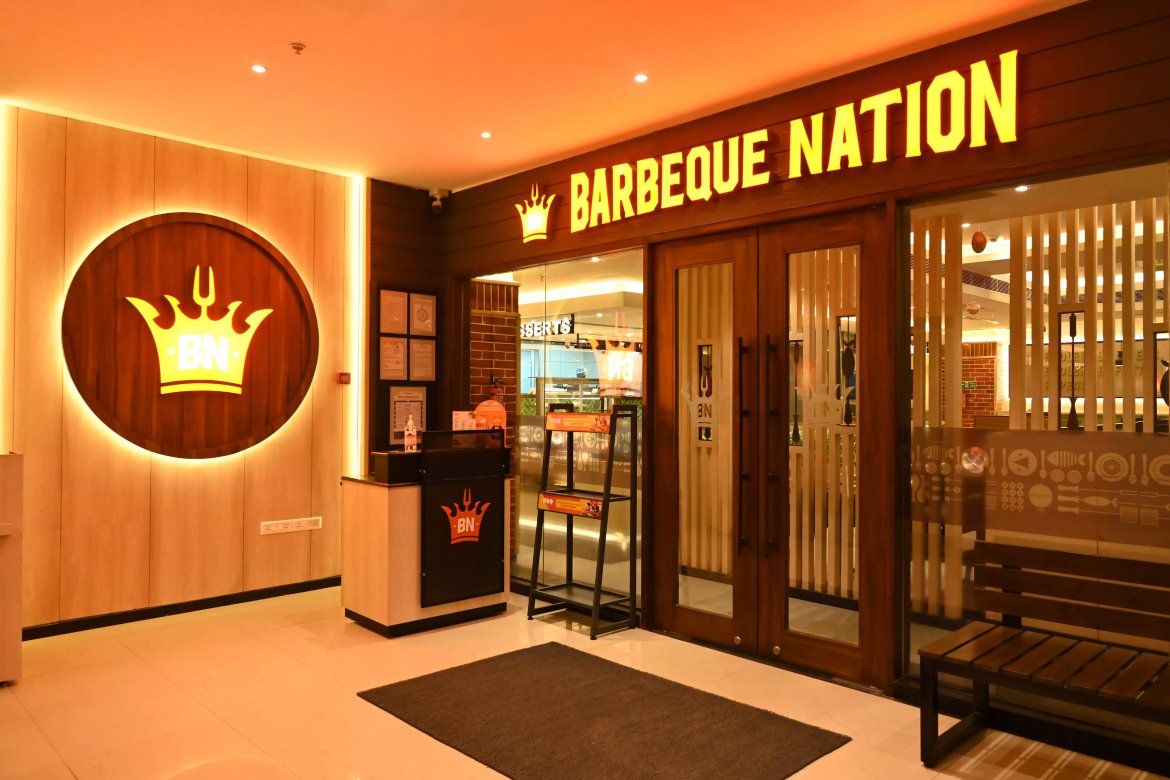
This week, news broke that Barbeque Nation has opened its doors at CP67 Mall in Mohali.…
The Indian food service industry is witnessing a fascinating shift. While dine-in traffic recovers, the…

Founded in 2015 by seasoned restaurant professionals who understood the challenges faced by food entrepreneurs in India, Restaurant Coach began as a vision to democratize restaurant success.

Founded in 2015 by seasoned restaurant professionals who understood the challenges faced by food entrepreneurs in India, Restaurant Coach began as a vision to democratize restaurant success. After witnessing countless talented chefs and passionate food lovers struggle with business aspects of restaurant operations, our founders decided to bridge the gap between culinary passion and business acumen.