Demos
Demos  Colors
  Docs
Docs  Support
Home 15
Newly Added



Neopolitan Pizza and Foods, a BSE-listed company with an established footprint in Gujarat, has launched NEO FRANKIE, targeting the “healthy wraps and quick-bite” segment. This is not a random diversification. Let’s analyze its core strategic pillars:
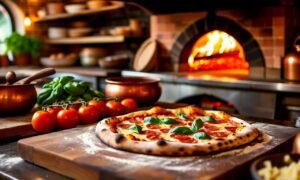
niopolitan pizza
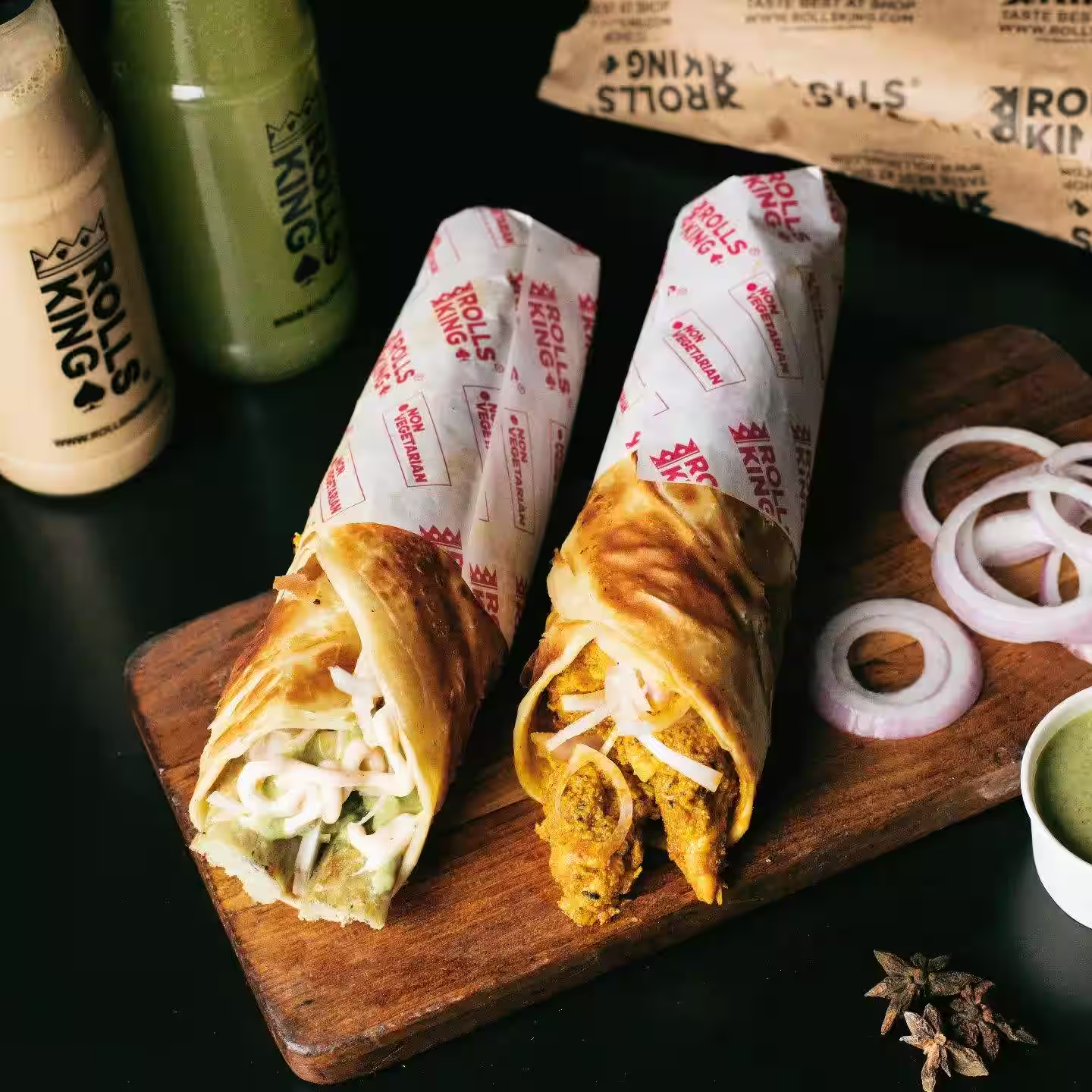
Product Strategy: Health Disguised in Familiarity. The brand offers “nutritious Frankie wrap variants.” The genius is in the format. Instead of introducing unfamiliar quinoa bowls or lettuce wraps—concepts many Indian “healthy” QSRs have struggled with—it uses the universally loved, handheld Frankie. This aligns perfectly with the insight that “health is a feature, not a category” in India. Consumers crave taste and familiarity first; health is a welcome bonus. It sells a delicious butter chicken roll that happens to be healthier, not a “healthy wrap” that feels like a compromise.
Business Model: A Low-Barrier Franchise for Rapid Scale. Simultaneous to the brand launch, the company opened a franchise model emphasizing “low capital requirement” and “minimal space needed.” This is designed for rapid, asset-light expansion, appealing to first-time entrepreneurs in tier-1 and tier-2 cities. The company has recent experience in this arena, having signed multiple franchise locations in Ahmedabad to strengthen its footprint. This model allows the parent brand to scale quickly using partner capital while generating recurring revenue.
Target Audience: The Convenience-Seeking, Health-Aware Demographic. NEO FRANKIE explicitly targets youth, professionals, students, and health-conscious consumers. This demographic has disposable income, values convenience, and is increasingly making food choices aligned with wellness trends. They represent a significant, growing portion of the QSR spend.
The Bigger Picture: This launch is a classic move to build a multi-brand QSR portfolio. For a publicly listed company like Neopolitan Pizza, which has utilized IPO funds for QSR expansion, new brands create new growth channels and mitigate market risks.
This launch is a mirror held up to the industry. Whether you run a cloud kitchen in Bangalore, a cafe in Delhi, or a QSR outlet in Pune, here’s how this news directly impacts your strategic thinking:
1. The “Healthy Indulgence” Mandate is Now Mainstream.
The era of preaching health is over. The winning formula, as NEO FRANKIE implies, is “delicious first, healthy second.” Consumers, especially millennials and Gen Z, want food that feels like a treat but aligns with a wellness-conscious identity. If your menu has a “healthy” section that feels like an afterthought, it’s time for a rethink. The opportunity lies in reinventing your best-selling, crave-worthy dishes with cleaner ingredients, better portion control, or nutrient-dense additions.
2. Franchise Expansion is a System Game, Not Just a Sales Pitch.
The push for franchising is strong, but NEO FRANKIE’s parent company has a framework (or is building one) behind its model. A common fatal error is “selling franchises before systems are ready.” As we stress to our coaching clients at RestaurantCoach.in, franchising amplifies everything—both your strengths and your weaknesses. If your business relies on your daily presence, charismatic staff, or informal processes, scaling will expose these frailties. True scalability is proven when an average operator can run a location profitably without founder intervention.
3. The Battle for Value is Fought on Emotional Grounds.
The Indian QSR market is at a “structural turning point,” with chains using aggressive value pricing. However, value is no longer just about low price. As highlighted in major 2026 trend reports, it’s about “Vibe-Matching”—emotional value and personalization. Customers seek control and joy through food, whether customizing a sauce, enjoying a solo treat, or ordering a “personal-size” meal. Your competition isn’t just other restaurants; it’s the consumer’s desire for a personalized, feel-good experience.
Watching trends is not enough; acting on them is what separates market leaders from the rest. Here are five concrete steps you can take, inspired by this industry development:
1. Conduct a “Health-by-Stealth” Menu Audit.
Don’t overhaul your menu. Instead, identify your top 3 best-selling, habit-driven items (e.g., your bestselling roll, biryani, or burger). Work with your chef to develop a “next-gen” version of each:
Integrate healthier ingredients (e.g., multigrain wraps, leaner proteins, hidden veggie purees in sauces).
Offer “build-your-own” components that let customers add healthy boosts (like extra sprouts, avocado, or a side of salad).
Price it within the ₹99-₹199 sweet spot to avoid the “health premium” penalty.
Test these as limited-time offerings or “Chef’s Recommended” items and track sales closely.
2. Stress-Test Your Business for “Founder-Independence.”
Ask yourself this critical question from franchise experts: “Can my business operate for 60–90 days without me?” To find out:
Document one critical process per week. Start with recipe standardization and portion control, then move to inventory ordering and customer service protocols.
Delegate a key decision. Let your manager choose a new supplier for a non-critical item or handle a customer complaint to a set resolution limit. Observe the outcome.
Analyze your P&L to see which margins depend on your personal cost-control negotiations (like rent or vendor contracts) and which are systematic.
3. Embrace the “Solo & Custom” Economy.
Personalization is the new standard. Implement systems that cater to individual cravings and control:
Create “Solo Feast” combo meals marketed as affordable self-care, not just single portions.
Elevate your sauce game. Introduce 2-3 new, signature dipping sauces and make them a free, customizable highlight. As trends show, sauces are 2.4x more likely to bring excitement.
Promote customization digitally. On your Swiggy/Zomato menu and in-store, use labels like “Make it Your Own” with clear add-on options.
4. Validate Unit Economics Before Any Expansion Talk.
If franchising or opening a second outlet is a dream, ground it in reality. Build a “Franchise Reality” P&L statement:
| Parameter | Your Current (Founder) Outlet | Projected Franchise Outlet |
|---|---|---|
| Rent | May be controlled/favorable | Market-driven, likely higher |
| Managerial Skill | Your deep expertise | An “average operator” |
| Food Cost % | Your direct oversight | Dependent on system compliance |
| Marketing Efficiency | Your personal touch | Needs structured campaigns |
| If the numbers in the right column don’t show a clear, attractive profit for a franchisee, your model isn’t ready. Focus on systemizing your first outlet first. |
5. Deep-Dive into One Cuisine or Format.
The trend is moving decisively towards cuisine-led focus over multi-cuisine sprawl. What is your restaurant’s deepest strength? Double down on it. If you are known for your kebabs, consider a menu focused on kebabs from different regions. A focused menu allows for better cost control, faster service, and a clearer brand story that cuts through the noise.
From a coaching standpoint, the NEO FRANKIE launch reinforces a principle we live by at RestaurantCoach.in: Sustainable growth is always structured growth. The brands that win in the next decade will be those that build systems first and scale second.
We’ve helped restaurant owners navigate this exact transition. One client, a successful single-outlet cloud kitchen specializing in biryanis, dreamed of franchising. Instead of helping them design a franchise brochure, we first worked on “Pillar 1: Proven, Transferable Unit Economics.” We systematized their legendary biryani recipe into gram-perfect SOPs, moved their vendor management to a digital platform, and trained a lead chef to manage the kitchen independently. Only after three months of stable, founder-absent operations did we co-create a franchise model. This disciplined approach ensured their first franchisee was set up for success, protecting the brand’s hard-earned reputation.
The core lesson is this: Your brand is your most valuable asset. Whether you’re innovating within a traditional category like Frankies or scaling a unique concept, every decision must be filtered through the question: “Does this strengthen my brand’s promise and operational integrity in the long run?” Shortcuts in system-building lead to long-term brand damage.
The launch of NEO FRANKIE is a signpost for India’s evolving food landscape. It highlights the convergence of health consciousness, operational scalability, and deep consumer understanding. The key takeaway is not to copy their model, but to embrace the strategic discipline behind it: innovate within familiar habits, build relentless operational clarity, and always align expansion with systematic strength.
Need expert guidance to navigate these industry changes? Translating these insights into a tailored plan for your unique restaurant can be the difference between reacting to trends and leading them. Our restaurant coaching programs at RestaurantCoach.in help food entrepreneurs build profitable, sustainable businesses. We provide the framework, accountability, and expertise to strengthen your foundations, refine your model, and scale with confidence. Book a discovery call with our team today to transform your restaurant vision into a structured reality.
Q1: Is the “healthy QSR” segment really viable in price-sensitive India?
Yes, but with a crucial caveat. Success comes from integrating health into crave-worthy, familiar food at an accessible price point. Indians are willing to pay for value and taste; health is a powerful added feature, not the primary sell. The unit economics must work without a significant price premium.
Q2: What’s the biggest mistake restaurants make when considering franchising?
The biggest mistake is expanding from a position of founder-dependence rather than system-readiness. If the business’s success and consistency are tied to the owner’s daily involvement, franchising will amplify those weaknesses. Franchise only when your systems can reliably deliver your brand promise without you.
Q3: How important is personalization, and how can a small restaurant afford it?
Personalization is critical—it’s a primary driver of emotional connection and perceived value. It doesn’t require expensive tech. Start simple: offer a modular “build-your-own” section for your top-selling dish, provide 2-3 unique house-made sauces, or train staff to remember and suggest regulars’ preferences. Small, thoughtful touches create a personalized vibe.
The Indian food service industry is witnessing a fascinating shift. Homegrown brands are no longer…
The recent buzz around Indiranagar, Bangalore—where several popular cafes are reportedly restricting laptop usage—has sparked…
As a restaurant business coach working with food entrepreneurs across India, I’ve seen a recurring…

Founded in 2015 by seasoned restaurant professionals who understood the challenges faced by food entrepreneurs in India, Restaurant Coach began as a vision to democratize restaurant success.

Founded in 2015 by seasoned restaurant professionals who understood the challenges faced by food entrepreneurs in India, Restaurant Coach began as a vision to democratize restaurant success. After witnessing countless talented chefs and passionate food lovers struggle with business aspects of restaurant operations, our founders decided to bridge the gap between culinary passion and business acumen.