Demos
Demos  Colors
  Docs
Docs  Support
Home 15
Newly Added


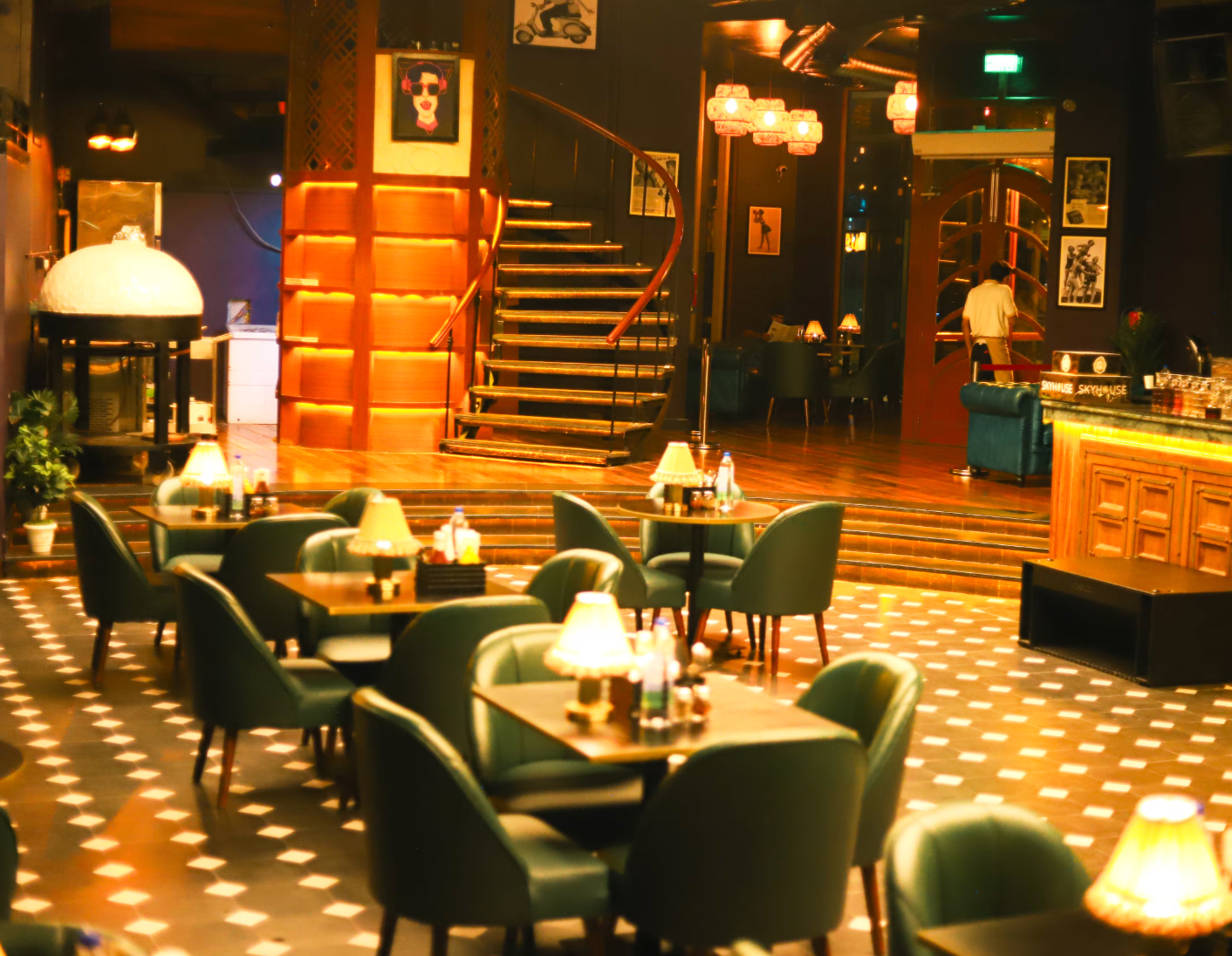

If you’re running a restaurant in India today, you’ve likely felt the pressure to constantly reinvent, to chase the next big “fusion” trend, or to add theatrical flair to every plate. But what if the most powerful statement you can make is a quiet one? The opening of Chef Manish Mehrotra’s Nisaba in Delhi isn’t just another restaurant launch; it’s a masterclass in confident, contemporary Indian dining that holds critical lessons for every restaurant owner, from QSR operators in Pune to fine-dining chefs in Bangalore.

Nisaba by Manish
For years, the narrative in upscale Indian food was defined by bold experimentation. Now, a new chapter is being written—one defined by subtlety, authenticity, and a deep connection to memory and place. As a restaurant coach, I’ve seen countless entrepreneurs struggle with positioning. Nisaba’s success provides a clear roadmap: stop explaining your food and start expressing it with quiet confidence. This article will break down the strategic shifts Nisaba represents and provide you with a practical, actionable plan to apply its winning principles to your own business.
After a celebrated career and a well-publicized break, Chef Manish Mehrotra’s return with Nisaba was highly anticipated. Located within Delhi’s historic Humayun’s Tomb complex, the restaurant itself is a statement. Its design—minimalist, warm, and filled with natural light—deliberately steps back to let the food and the heritage setting take center stage.
The most significant departure is in philosophy. Mehrotra has explicitly moved away from labels like “modern Indian” or “progressive.” Instead, he calls it “the food of today’s India” or “an Indian menu for a global Indian.”. This isn’t semantics; it’s a strategic pivot. The menu of roughly 45 dishes is a curated journey through relatable comfort, drawing inspiration from street vendors, dhabas, and home kitchens across the country.
Dishes like the samosa with Moradabadi dal and “everything chutney,” or the baked rasmalai with fried chironji, are familiar yet refined. The innovation is in the subtle details and impeccable sourcing, not in deconstruction or shock value. As industry expert Raaj Sanghvi notes, this reflects a broader maturity: diners are no longer impressed by gimmicks. Today, innovation is quieter, more confident, and rooted in flavour.
The principles behind Nisaba’s concept are not limited to high-end Delhi dining. They tap into universal shifts in consumer behavior that impact every segment of India’s food service industry.
The End of Forced “Modernity”: The era of adding truffle oil or molecular foam to a classic dish just for the sake of being “modern” is fading. The 2026 diner, armed with knowledge from travel and social media, seeks intelligent evolution, not revolution. They want to recognize the soul of a dish while appreciating the care in its execution.
Confidence is the New Currency: A key trend identified for 2026 is Indian cuisine “stopping explanation” and simply asserting itself. This confidence allows a restaurant in Mumbai to serve a regional Kerala dish without apology, or a cloud kitchen in Gurgaon to create a hyper-local version of a global trend. Your menu should speak from a place of assured identity.
The “Accessible Premium” Space is Booming: Nisaba consciously occupies the space between casual and fine-dining. This is where the most significant growth is happening nationwide. Whether it’s a premium café in Kolkata or a chef-led boutique QSR, diners are willing to pay for quality and experience but within a relaxed, unpretentious setting.
Story Over Spectacle: The connection is deeper than the plate. Nisaba’s name, inspired by a Sumerian goddess of grain, and its art installation referencing growth, add layers of narrative. Similarly, today’s customer connects with a restaurant’s story—the sourcing of local haaq greens, the chef’s childhood memory tied to a dessert.
Understanding the trend is one thing; implementing it is another. Here is a straightforward action plan you can execute in the next quarter.
1. Conduct a “Confidence Audit” of Your Menu
Print your menu and scrutinize every item. For each dish, ask: “Does this reflect our core culinary story confidently, or are we including it just because it’s a trend or a crowd-pleaser?” Edit mercilessly. Chef Mehrotra started with 120 dishes and refined them down to 45. Fewer, more intentional dishes often lead to better quality, simpler inventory, and a stronger brand identity.
2. Source and Showcase Your Story
Luxury in 2026 is defined by provenance and authenticity. Build a relationship with at least one local supplier—a spice blender, a dairy farm, a vegetable grower. Feature them on your menu or social media. A simple line like “featuring Alphonso mangoes from Ratnagiri” or “crafted with mustard oil from Assam” adds immense credibility and roots your food in a real narrative.
3. Master the Art of Subtle Elevation
Take one of your signature dishes and apply the “Nisaba test.” How can you elevate it with restraint? This doesn’t mean changing it entirely. It could mean:
Improving the quality of one key ingredient (e.g., a better cheese or a single-origin spice).
Refining a texture (the perfect crisp on a samosa, the ideal flakiness of a paratha).
Adding one surprising but harmonious element (like fried chironji in a rasmalai for crunch).
4. Empower Your Staff as Storytellers
Your servers are your most potent marketing tool. Train them to know the story behind 3-5 key dishes. A brief, passionate explanation about the origin of a recipe or a special ingredient transforms a transactional service moment into a memorable experience and justifies your price point.
5. Design for Connection, Not Just Consumption
Evaluate your space. Does it encourage relaxed conversation and comfort? You don’t need a costly renovation. Small changes—warmer lighting, uncluttered tables, curated background music—can shift the ambiance from transactional to experiential. As one expert notes, dining is firmly within the experience economy, where ambiance and emotional connection are critical.
At RestaurantCoach.in, we’ve guided dozens of owners through the transition from running a generic eatery to building a resonant, profitable brand. The shift embodied by Nisaba aligns perfectly with what we see driving sustainable success.
The core of this approach is moving from a transactional model to a relational one. Customers today don’t just buy food; they buy into a story and an experience. A restaurant that confidently serves “the food of modern India” is inherently connected to its community, creating loyalty that goes beyond discounts.
This philosophy is also a powerful shield against fleeting fads. When your brand is built on a genuine, evolving story—like a chef’s personal culinary journey—you have a stable core identity that can adapt without losing itself. This is the work we do with our coaching clients at RestaurantCoach.in: helping them unearth their Unique Culinary Perspective and build every operational and marketing strategy around it. The result is a business that stands out not because it’s the cheapest, but because it’s the most meaningful.
Chef Manish Mehrotra’s Nisaba teaches us that in 2026, the loudest voice in the room isn’t the most powerful. The winning formula combines confident identity, subtle innovation, and authentic connection.
Stop chasing “modern” and start expressing your authentic culinary story.
Innovate with intention, not gimmicks—refine, don’t reinvent.
Invest in the “accessible premium” experience where quality meets comfort.
Your sourcing and staff are key marketers; use them to build narrative and trust.
Ready to build a restaurant that resonates with the confident diner of 2026?
The principles behind Nisaba’s success are a blueprint, but implementing them in your unique context requires a tailored strategy. Our restaurant coaching programs at RestaurantCoach.in are designed specifically for Indian food entrepreneurs like you. We provide the one-on-one guidance to help you define your story, craft a winning menu, and implement operational systems for sustainable profitability.
Don’t just serve food—serve a lasting experience. [Contact us today] to schedule your discovery call and learn how we can help transform your restaurant vision into a thriving reality.
Previous Post
Next Post
The Indian food and beverage (F&B) industry is buzzing with news that has significant implications…
Maharashtra PNG Supply Hike: A Restaurant Coach’s Guide to Relief and Resilience For restaurant owners…
The Fast-Food Diabetes Link: What Telangana’s Health Warning Means for Your Restaurant’s Future As a…
As restaurant business coaches in India, we at RestaurantCoach.in spend a lot of time in commercial kitchens.…

Founded in 2015 by seasoned restaurant professionals who understood the challenges faced by food entrepreneurs in India, Restaurant Coach began as a vision to democratize restaurant success.

Founded in 2015 by seasoned restaurant professionals who understood the challenges faced by food entrepreneurs in India, Restaurant Coach began as a vision to democratize restaurant success. After witnessing countless talented chefs and passionate food lovers struggle with business aspects of restaurant operations, our founders decided to bridge the gap between culinary passion and business acumen.