Demos
Demos  Colors
  Docs
Docs  Support
Home 15
Newly Added




When a seasoned industry veteran like Merrill Pereyra transitions from leading Pizza Hut India to heading Domino’s Australia-New Zealand, it’s more than just corporate news. This move is a strategic playbook unfolding in real-time, offering profound lessons for independent restaurant owners across India.
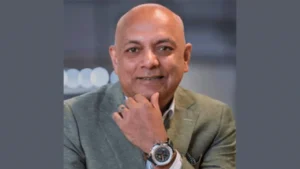
merril lpereyra
For the past three decades, Pereyra has been quietly mastering the art of turning around restaurant chains and delivering consistent same-store sales growth. His recent track record in India—halving store payback periods while leading a sales turnaround—demonstrates strategies that work specifically in our market. Now, as he takes on a new challenge in the competitive ANZ market, we can extract valuable insights for every cafe owner, QSR operator, and food entrepreneur in India.
At RestaurantCoach.in, we’ve observed that the most successful restaurant owners aren’t just chefs or hosts—they’re strategic business leaders who learn from industry movements. In this analysis, we’ll break down what Pereyra’s appointment teaches us about leadership, franchise relationships, and sustainable growth in the challenging yet rewarding Indian food service landscape.
Merrill Pereyra’s appointment as the leader of Domino’s Australia-New Zealand operations represents more than a routine executive change. It showcases the power of proven turnaround expertise in highly competitive restaurant markets. With over 30 years of experience at global giants like McDonald’s, Yum! Brands, and Pizza Hut, Pereyra has developed a methodology for restaurant success that transcends specific brands or cuisines.
His recent accomplishments in India are particularly instructive. As Managing Director of Pizza Hut India, Pereyra delivered a significant sales performance turnaround—a challenging feat in any market but especially remarkable in India’s crowded casual dining segment. Perhaps even more impressive was his achievement of halving store payback periods, meaning new locations became profitable in half the expected time through improved unit economics and operational efficiencies.
Domino’s Australia-New Zealand Executive Chairman Jack Cowin specifically highlighted Pereyra’s “track record of building franchise relationships, growing same store sales and unit economics” as key reasons for his appointment. This combination of skills—balancing franchisee support with financial discipline—is exactly what struggling restaurant chains need and what independent restaurant owners should emulate in their own operations.
The simultaneous appointment of George Saoud as both Group Chief Operating Officer and Chief Financial Officer further emphasizes the company’s focus on integrated operational and financial strategy. This dual focus on experience-driven leadership and cost management offers a powerful blueprint for restaurant owners in any market.
This executive movement has direct implications for restaurant businesses across India, whether you operate a single outlet in Delhi, a cloud kitchen in Mumbai, or a multi-city QSR chain in Bangalore.
The restaurant industry in India faces constant challenges—shifting consumer preferences, rising operational costs, intense competition from both local eateries and global chains. Pereyra’s appointment signals that turnaround expertise is increasingly valuable. This means restaurant owners must develop the ability to pivot strategies, refresh offerings, and reinvent operations when performance stalls.
Pereyra’s success in “halving store payback periods” demonstrates a relentless focus on unit-level profitability. In today’s market, particularly with cloud kitchens and delivery-only concepts proliferating in cities like Hyderabad and Pune, understanding your true cost per order and lifetime customer value is no longer optional. Every component—from packaging costs to delivery commissions—must be analyzed and optimized.
The explicit mention of Pereyra’s ability to build strong franchise relationships highlights a crucial but often overlooked aspect of restaurant success: managing all stakeholder relationships. For independent restaurant owners, this translates to cultivating positive relationships with suppliers, delivery platforms, employees, and even neighboring businesses. At RestaurantCoach.in, we’ve seen how restaurants with strong local partnerships weather market downturns more effectively than those operating in isolation.
The dual appointment emphasizing both operational leadership and financial strategy underscores that kitchen-level efficiencies directly impact your bottom line. Whether you’re running a fine-dining establishment in Chennai or a quick-service outlet in Gurugram, the connection between how smoothly your kitchen operates and how healthy your profit margins are has never been clearer.
Pereyra’s 30-year journey through multiple brands and markets demonstrates that restaurant-specific experience has measurable impact. For restaurant owners, this means investing in your own industry education and potentially bringing in experienced mentors or consultants rather than trying to navigate complex challenges alone.
Based on the strategic lessons from Pereyra’s appointment, here are concrete actions you can implement immediately in your restaurant business:
Just as Pereyra focused on store payback periods, you should analyze your own unit economics. Start by calculating these three crucial metrics:
Cost of Goods Sold (COGS) Percentage: Aim for 28-35% depending on your restaurant type
Labor Cost Percentage: Target 20-30% of total revenue
Operating Profit Margin: Healthy restaurants maintain 10-20% after all expenses
Next Step: Use your POS system data or last month’s financials to calculate these percentages. Identify your weakest metric and create an improvement plan this week.
Market conditions change rapidly. Develop a 90-day “turnaround playbook” that you can implement if sales decline by 15% or more for two consecutive months. Your plan should include:
Menu optimization strategies (reengineering 3-5 popular dishes for better margins)
Staff retraining priorities for improved service efficiency
Marketing pivots to reach new customer segments
Next Step: Draft your first 30-day action plan now—don’t wait for a crisis to begin planning.
Identify the three most important external relationships for your restaurant (suppliers, delivery platforms, equipment providers) and schedule a strategic meeting with each this month. Discuss:
Mutual growth opportunities (can you feature a supplier’s product in exchange for better terms?)
Pain points in your current collaboration
Innovation ideas that could benefit both businesses
Next Step: Calendar these three relationship-building meetings before the end of the quarter.
What gets measured gets managed. Establish a simple dashboard to track daily:
Table turnover rate (for dine-in) or order processing time (for delivery)
Food waste percentage
Customer satisfaction score (via quick post-meal questions)
Next Step: Create a one-page tracking sheet for your kitchen manager to complete at the end of each shift, reviewed weekly.
Pereyra’s career demonstrates the value of continuous learning in restaurant leadership. Commit to at least one strategic development activity per quarter:
Industry benchmarking visits to successful restaurants in other cities
Specialized workshops on restaurant financial management or digital marketing
Coaching sessions focused on strategic decision-making
Next Step: Block time in your calendar now for one leadership development activity this quarter. Many restaurant owners we work with at RestaurantCoach.in find that just 4 hours of focused strategic planning per month significantly improves their decision-making and business outcomes.
In our coaching practice at RestaurantCoach.in, we’re seeing a significant shift in what separates successful restaurants from struggling ones. Pereyra’s appointment validates several trends we’ve been observing and helping clients navigate:
First, the era of generic restaurant management is over. Today’s competitive landscape in cities like Mumbai, Delhi, and Bangalore demands specialized expertise in specific areas—whether that’s delivery optimization for cloud kitchens, experience design for premium dining, or throughput efficiency for QSRs. Restaurant owners can no longer be generalists; they must develop or acquire specialized knowledge in their particular niche.
Second, data-driven decision-making has moved from “competitive advantage” to “minimum requirement.” When Pereyra delivered five years of positive same-store sales in Malaysia, it wasn’t through guesswork. It was through meticulous tracking of customer preferences, operational metrics, and financial indicators. In our coaching programs, we emphasize building simple but effective tracking systems that don’t overwhelm small teams but provide essential insights.
Third, sustainable growth requires balancing short-term sales with long-term operational health. Many restaurant owners focus exclusively on top-line revenue, but Pereyra’s success with unit economics demonstrates that profitability and efficiency are equally important. We help clients implement “efficiency sprints”—short, focused periods where the entire team concentrates on improving one specific operational metric without compromising customer experience.
The Indian restaurant industry is at an inflection point, with increasing competition but also unprecedented opportunities. Leadership moves like Pereyra’s remind us that experienced, strategic thinking combined with operational discipline creates the foundation for enduring success in our dynamic market.
Merrill Pereyra’s appointment at Domino’s ANZ offers more than industry gossip—it provides a practical blueprint for restaurant success in competitive markets. The key takeaways for Indian restaurant owners are clear: focus relentlessly on unit economics, build strong operational foundations, nurture strategic relationships, and commit to continuous leadership development.
Successful restaurant businesses aren’t built on culinary talent alone; they’re built on strategic business decisions informed by industry knowledge and executed with operational excellence. Whether you’re navigating the early stages of your restaurant journey or looking to revitalize an established business, these principles apply.
Need expert guidance to navigate these industry changes? Our restaurant coaching programs at RestaurantCoach.in help food entrepreneurs build profitable, sustainable businesses. We provide tailored strategies for Indian market conditions, from concept development to operational turnaround. Contact us today to schedule your free consultation and transform your restaurant vision into reality.
Q: As a small independent restaurant owner, how can I possibly implement strategies used by global chains?
A: The principles are scalable. Focus on one key metric at a time—whether it’s reducing food waste by 5%, improving table turnover by 10 minutes, or increasing average order value by ₹50. Global chains excel at systematic improvement, which any restaurant can emulate starting with small, measurable changes.
Q: What’s the most important financial metric I should track if I only have time for one?
A: For most Indian restaurants, prime cost (COGS + labor costs) as a percentage of sales gives the best single overview of operational health. Aim for 55-65% depending on your restaurant type.
Q: How often should I review and adjust my restaurant strategy?
A: Conduct a light-touch review monthly, a comprehensive operational review quarterly, and a full strategic reassessment annually. Market conditions in cities like Delhi and Bangalore change rapidly, so flexibility is crucial.
The Indian food and beverage (F&B) industry is buzzing with news that has significant implications…
Maharashtra PNG Supply Hike: A Restaurant Coach’s Guide to Relief and Resilience For restaurant owners…
The Fast-Food Diabetes Link: What Telangana’s Health Warning Means for Your Restaurant’s Future As a…
As restaurant business coaches in India, we at RestaurantCoach.in spend a lot of time in commercial kitchens.…

Founded in 2015 by seasoned restaurant professionals who understood the challenges faced by food entrepreneurs in India, Restaurant Coach began as a vision to democratize restaurant success.

Founded in 2015 by seasoned restaurant professionals who understood the challenges faced by food entrepreneurs in India, Restaurant Coach began as a vision to democratize restaurant success. After witnessing countless talented chefs and passionate food lovers struggle with business aspects of restaurant operations, our founders decided to bridge the gap between culinary passion and business acumen.