Demos
Demos  Colors
  Docs
Docs  Support
Home 15
Newly Added




If you’re running a restaurant in India today, headlines like “Papa John’s Opens Fifth Bangalore Outlet” might feel like just another global chain muscling into your territory. But look closer. This isn’t just a news item; it’s a masterclass in strategic expansion playing out in real-time. As the brand opens its fifth outlet in Bengaluru’s competitive Koramangala area, backed by a centralized kitchen in Hennur, it’s demonstrating a sophisticated playbook.
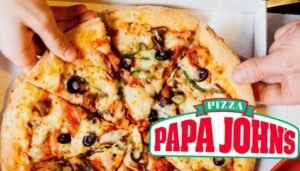
papa john’s pizza
For independent restaurant owners and QSR operators across Mumbai, Delhi, and beyond, this move signals a critical shift. The Indian restaurant industry, valued at a staggering $85.19 billion and growing at 15% annually, is attracting serious, system-driven players. The game is changing from pure passion to precision operations. At RestaurantCoach.in, we’ve seen this transition firsthand. The restaurants that thrive are not just those with the best recipes, but those who best understand location strategy, consistent execution, and smart localisation. This article will break down the actionable insights from Papa John’s expansion and show you exactly how to apply them to build a more resilient and profitable business.
Let’s analyse the key moves behind this launch, as they reveal a formula any restaurant can learn from.
First, the location choice is strategic. Koramangala is a vibrant, mixed-use neighbourhood in Bengaluru, known for its student population, young professionals, and dense residential complexes. For Papa John’s, opening a fifth outlet here isn’t about blanket coverage; it’s about deepening penetration in a high-demand, high-visibility micro-market. This approach maximizes marketing efficiency and builds brand dominance in a specific area before fanning out.
Second, the operation is anchored by a centralized Quality Control Center in Hennur. This hub prepares fresh dough daily for all city outlets, ensuring every pizza base meets the same standard. This is a critical lesson in scaling consistency. It tackles one of the biggest challenges in multi-unit operations: maintaining the core product quality that customers trust, regardless of which location they visit.
Third, observe the marketing and menu localisation. The brand collaborated with local comedian Danish Sait for a relatable campaign and, more importantly, introduced a region-specific “Ghee Roast Pizza” inspired by South Indian cuisine. This goes beyond adding paneer as a topping. It shows an intent to integrate into local taste palates while retaining their brand identity. As noted by industry leaders, 2025 is seeing a major trend toward hyper-regional flavours and smarter fusion, where global concepts respectfully adapt to local preferences.
You might wonder how a pizza chain’s new outlet affects your cloud kitchen in Pune or your family-style restaurant in Jaipur. The impact is indirect but profound, raising the competitive bar in three key areas.
Increased Competition for Talent and Real Estate: As well-funded chains expand, they compete for the same prime commercial spaces and skilled staff, potentially driving up costs in popular neighbourhoods. Your differentiator must shift from just location to a superior in-person experience or unmatched convenience.
Heightened Customer Expectations: When large brands promote “fresh, never-frozen dough” and centralized quality control, they educate your customers. Diners begin to expect that same level of consistency and transparency from all eateries. A bad experience at your second outlet can now tarnish the reputation of your first, making systematic quality checks non-negotiable.
The “Standardization vs. Soul” Dilemma: Chains excel at standardized, scalable systems. Your strength as an independent operator is authenticity, agility, and community connection. The risk is getting caught in the middle—losing the personal touch while failing to match the operational efficiency of larger players. The future belongs to restaurants that can systemize their operations without stripping away their unique soul.
The statistics are sobering: an estimated 73% of restaurants in India struggle to survive, often due to operational inefficiencies, poor location choices, and an inability to scale quality. Papa John’s model directly addresses these failure points, making its strategy worth understanding, even if you don’t plan to open five outlets.
Here is a practical, step-by-step guide inspired by this case study that you can implement in your own business.
1. Audit and Systemize Your Core Product.
Your signature dish is your franchise. Can it be replicated perfectly every single time, by any chef on your team? Create detailed Standard Operating Procedures (SOPs) for your top 5 menu items. At RestaurantCoach.in, we help owners document everything from ingredient weights and cooking temperatures to plating aesthetics. This is your first step toward your own “quality control center,” even if it’s just a well-organized kitchen file.
2. Master Hyper-Local Marketing.
Don’t just run generic social media ads. Become the favourite neighbourhood spot. Collaborate with local influencers, colleges, or businesses. Sponsor a community league. Papa John’s used a local comedian; you can partner with a nearby gym for a healthy meal plan or a theatre group for pre-show dinners. This builds loyalty that big chains can’t easily buy.
3. Strategize Your Physical & Digital “Location.”
If expansion is a goal, think like a chain. Don’t just open a second outlet in the next suburb because it’s available. Analyse data:
* Where do your current delivery orders come from?
* Can you service a new area from a cloud kitchen first to test demand?
* Does the new area’s demographic match your ideal customer? A feasibility study is cheaper than a failed venture.
4. Embrace Smart Technology.
Use technology to create consistency and efficiency. Implement a cloud-based POS and inventory management system. These tools can reduce food waste by up to 15% by providing real-time stock data and automating reorders. They also track which dishes are hits or misses, providing data to refine your menu intelligently.
5. Rationalise Your Menu.
A bloated menu increases inventory costs, waste, and kitchen errors. Follow the 2025 trend of tighter, more focused menus. Analyse your sales data. Remove the bottom 20% of performers and double down on promoting your heroes. This improves cost control and customer satisfaction, as a simpler menu is often easier to choose from.
6. Develop a Localisation Strategy.
How can your menu respectfully nod to local flavours? It doesn’t have to be a full new dish. It could be a special chutney, a fusion taco filling, or a dessert incorporating a regional ingredient like jaggery or kokum. This shows customers you’re part of the community, not just a generic business.
7. Build an Experience, Not Just a Transaction.
Why should customers visit you instead of ordering from a faceless app? Create a memorable reason. This could be an open kitchen, live music on weekends, a chef’s table event, or storytelling about your ingredients’ origins. As the industry resets, the winners are those offering premium, experiential dining.
In my coaching practice at RestaurantCoach.in, a common thread among successful owners is strategic patience. They understand that Papa John’s didn’t build its central kitchen on day one. They started with a replicable model at a single outlet.
Your goal shouldn’t be to copy a global chain, but to adopt its disciplined mindset. Focus on building one profitable, system-driven unit that works perfectly. That unit becomes your blueprint and your “quality control center” for the future.
The 2025 landscape demands a balance. You must be locally loved but professionally run. You need the heart of a family business and the brain of a scalable enterprise. This means investing in staff training to reduce turnover (a massive industry challenge), leveraging data for decisions, and never compromising on the core quality that made you loved in the first place.
The future is bright for Indian restaurants that embrace this duality. The trend is moving toward experience-driven dining, hyper-local flavours, and operational excellence. The market is vast, and there is immense room for brands that tell an authentic story with backend precision.
Papa John’s Koramangala launch teaches us that modern restaurant growth is built on localisation, operational consistency, and strategic market depth. For you, the independent owner, the response isn’t fear—it’s focused action.
Start by systemizing what makes you great. Then, deepen your roots in your community. Finally, use technology and data to make smart decisions about your next step, whether it’s refining your menu, expanding your marketing, or considering a second location.
Need expert guidance to navigate these industry changes and build your own scalable, profitable system? You don’t have to figure it out alone. Our tailored restaurant coaching programs at RestaurantCoach.in are designed to help food entrepreneurs like you master operations, strategy, and growth. Book a discovery call with us today to transform your restaurant vision into a sustainable, thriving reality.
Q: How can I maintain quality if I want to open a second outlet?
A: Before expanding, create detailed SOPs for all kitchen and service processes at your first outlet. Consider a central prep kitchen for key items (like sauces or marinates) to ensure consistency. Test the demand in the new area via delivery-only models or pop-ups first.
Q: My menu is already large. How do I start rationalising it?
A: Use your POS data from the last 6 months. Identify dishes with low sales volume, high ingredient waste, or low profit margins. Start by removing 2-3 of the poorest performers and monitor customer reaction and kitchen efficiency. A streamlined menu often leads to better food quality and lower costs.
Q: Is it worth investing in expensive restaurant management software?
A: View it as an essential operational tool, not just an expense. A good cloud-based system pays for itself by reducing food waste, streamlining inventory, and providing customer insights for better marketing. Start with a core system that handles POS, inventory, and basic CRM, and scale as you grow.
The Indian food service industry is witnessing a fascinating shift. Homegrown brands are no longer…
The recent buzz around Indiranagar, Bangalore—where several popular cafes are reportedly restricting laptop usage—has sparked…
As a restaurant business coach working with food entrepreneurs across India, I’ve seen a recurring…

Founded in 2015 by seasoned restaurant professionals who understood the challenges faced by food entrepreneurs in India, Restaurant Coach began as a vision to democratize restaurant success.

Founded in 2015 by seasoned restaurant professionals who understood the challenges faced by food entrepreneurs in India, Restaurant Coach began as a vision to democratize restaurant success. After witnessing countless talented chefs and passionate food lovers struggle with business aspects of restaurant operations, our founders decided to bridge the gap between culinary passion and business acumen.