Demos
Demos  Colors
  Docs
Docs  Support
Home 15
Newly Added



Introduction: It’s More Than Just a Cup of Tea
A quiet cafe in Gandipet, Hyderabad, is showing Indian restaurant owners a powerful new recipe for success. HawTea, a ‘gaon-style’ (village-themed) tea spot, is drawing crowds not with expensive coffee or fancy decor, but with a simple, nostalgic promise: authentic, soulful experiences rooted in local culture. This is part of a major nationwide shift. The organized tea café market in India is valued at USD 100-140 million but still represents less than 5% of the total café market—showing immense, untapped growth potential. This signals a massive opportunity for food entrepreneurs who are willing to look beyond the usual.

indian tea
In our experience at RestaurantCoach.in, this trend underscores a critical message for every restaurant, QSR, and cloud kitchen owner: the future is hyper-local, experience-driven, and authentic. It’s about creating spaces and menus that feel personal and familiar, turning casual customers into a loyal community. In this article, we’ll break down exactly how the success of venues like HawTea impacts your business and provide you with actionable steps to capture this demand and brew your own success story.
HawTea’s popularity isn’t an accident; it’s a perfectly timed response to modern urban fatigue. Located in developing lifestyle pockets like Gandipet and Hyderabad’s Financial District, it offers an escape—a “calm, soulful” pause from the city’s rush. Its strategy is a masterclass in modern restaurant positioning:
Nostalgia as a Product: It leans heavily into 90s nostalgia and a village theme, using earthy colors, wooden textures, and open outdoor seating to create an emotional connection.
Rooted Menu Innovation: While celebrating traditional Telugu comfort snacks like punugulu and sarvapindi, it also innovates with healing tea blends like “Masala Mantra” and “Allam Bellam”.
The “Third Place” Effect: It offers more than food; it provides a comfortable, affordable “hangout space” where people can work, connect, or unwind. This meets the growing demand, especially among millennials and Gen Z, for casual spaces that are an extension of their living rooms.
This model works because it taps into a universal desire for comfort and authenticity in an increasingly fast-paced world.
The rise of concept-driven cafes like HawTea directly impacts all food service businesses by reshaping consumer expectations. Here’s what you need to know:
Consumers Crave Connection, Not Just Consumption: Dining is now a multi-sensory experience. A study by restaurant technology company SpotOn found that restaurants emphasizing authentic cultural experiences saw 18% higher customer retention rates. Your ambience, story, and emotional appeal are now as important as your food.
The Power of the “Affordable Luxury” Model: Unlike high-end coffee chains, tea cafes and similar concepts offer a culturally familiar experience at a more accessible price point. This opens your business to a wider audience. As Vineeth Nelakuduru, founder of Teatings, notes, the familiarity of tea (or any local comfort food) makes it “an incredibly intuitive category to scale”.
Operational Advantages Are Real: Specialized concepts can be simpler and more profitable to run. A tea-focused business, for example, can operate with equipment costing a fraction of a high-end espresso machine, and staff can be trained faster on a focused menu. This leads to better profit per cup and simpler, more scalable systems.
The Competition is Evolving: The market is moving beyond generic menus. As the industry evolves, experience-led dining and premium, immersive spaces are flourishing. If your restaurant offers a generic, copy-paste experience, you risk being left behind by establishments with a clearer, more compelling identity.
Here is a concrete, actionable plan you can implement to leverage these trends in your own business.
Step 1: Conduct a “Rooted Innovation” Audit of Your Menu
Don’t just add trendy items. Analyze your menu through the lens of local heritage.
Identify Your “Grandma’s Secret”: What is the one traditional, home-style recipe or ingredient you can own? Is it a specific spice blend, a forgotten regional snack, or a cooking technique?
Engineer for Profit: Use menu engineering. Categorize your dishes into Stars, Plowhorses, Puzzles, and Dogs. Focus on promoting high-profit items with local stories. Could your high-profit “Puzzle” item be repositioned as a premium, heritage dish?
Step 2: Design for the ‘Instagrammable’ Experience
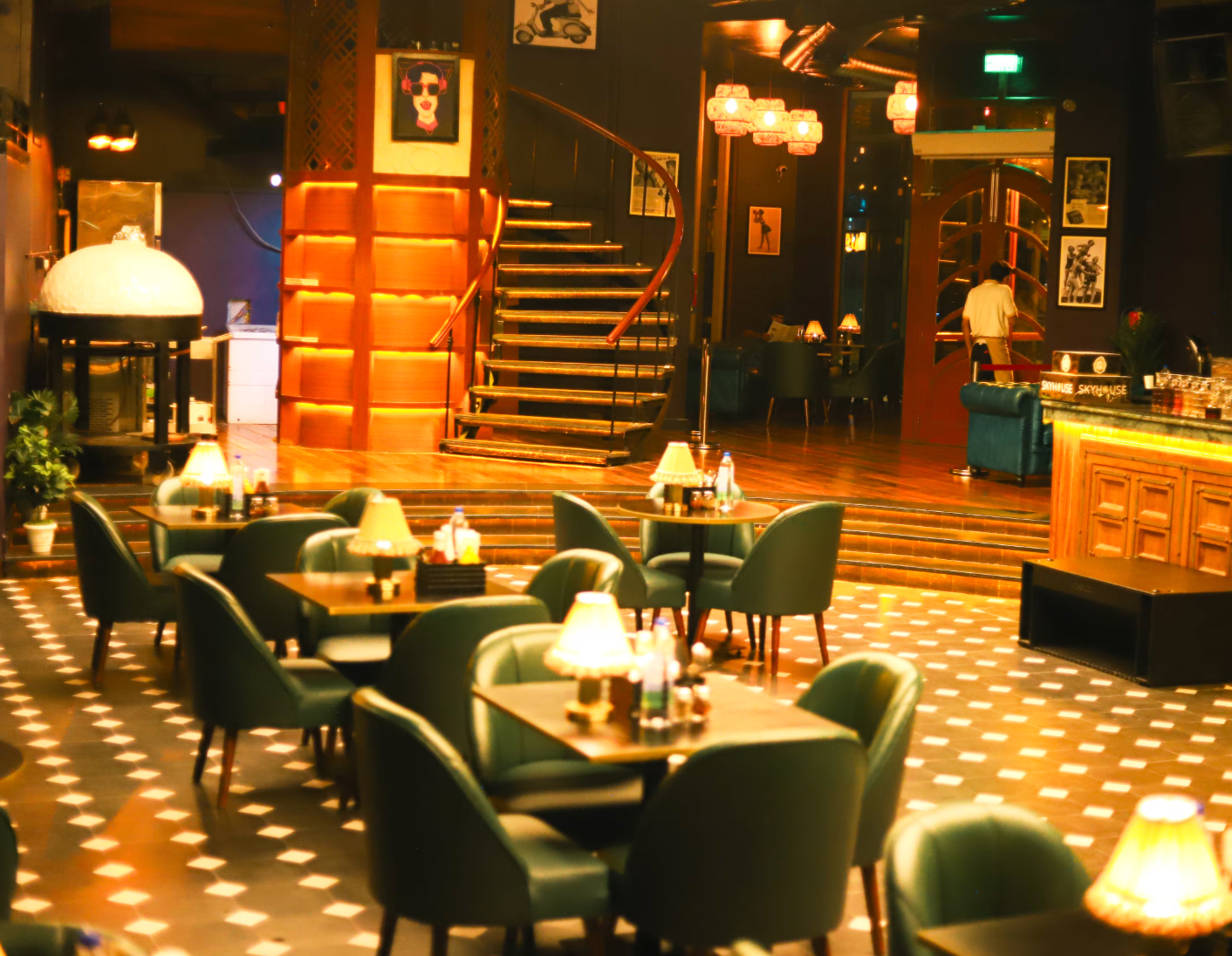
Your space is a key part of your marketing. Create moments worth sharing.
Focus on One Theme: Whether it’s “rustic village,” “urban garden,” or “retro memorabilia,” commit to a cohesive theme. HawTea uses swings and wooden textures to complete its village vibe.
Create a Signature Visual Spot: Design one photogenic corner or feature—a unique wall, an art installation, or a beautifully presented live counter. This encourages free marketing as customers share their experience.
Step 3: Build a Direct, Digital Relationship with Customers
Reduce reliance on third-party platforms that charge 15-30% commissions and own your customer data.
Launch a Simple Loyalty Program: Use WhatsApp or a basic app to start a points-based system. Offer a free “heritage dish” or a signature drink after a certain number of visits.
Tell Your Story Online: Use social media to share the “why” behind your food. Post short videos of the cooking process, introduce the team, and share the origin of your ingredients.
Step 4: Implement Hyper-Local and Seasonal Promotions
Create urgency and relevance by tying your offerings to local culture and seasons.
Launch Micro-Seasonal Specials: Go beyond major festivals. Introduce a “Monsoon Pakora & Kadak Chai” combo or a “Summer Cooler” series featuring local fruits. Well-executed limited-time offers can increase footfall by 20-45% during peak windows.
Collaborate with Local Artisans: Host a pop-up with a local ceramicist for your tableware or a local spice farmer. This builds community and strengthens your authentic brand story.
Step 5: Systemize Your Operations for Consistency
Authenticity fails without consistency. Build systems so the experience is the same every time.
Document “The Why” in Recipes: Your recipe cards should include not just measurements, but the story and the technique’s intent (e.g., “stir until it evokes the texture of…”).
Invest in Team Culture: As industry veteran Vipin Sachdev emphasizes, success starts with loving your own team. Happy staff create delightful guest experiences. Invest in their training and well-being; it’s more important than expensive furniture.
At RestaurantCoach.in, we’ve helped numerous clients transition from being trapped in daily operations to building strategic, beloved brands. The story of HawTea and the broader tea café revolution validates a core principle we teach: Your unique differentiator is often found in your own backyard, not in copying national chains.
The most common mistake we see is owners focusing solely on daily firefighting—cutting costs, reacting to competitors—instead of building a long-term brand identity. The top 20% of profitable restaurants succeed by working on the business, not just in it. They use frameworks like the OODA Loop (Observe, Orient, Decide, Act) to quickly adapt to trends like this one.
This trend isn’t a passing fad. The Indian tea market is expected to generate $14.4 billion in revenue in 2024, with strong annual growth forecast. The underlying drivers—demand for wellness, sustainability, and authentic experiences—are here to stay. The question is, will you be a spectator or a pioneer in your market?
The success of “gaon-style” cafes like HawTea is a clear signpost for the future of Indian hospitality. It proves that profitability lies in authenticity, community, and strategic clarity. By rooting your business in a genuine story, designing memorable experiences, and building direct customer relationships, you create a defensible brand that competitors cannot easily replicate.
You don’t need to open a tea cafe. You need to apply these principles to your cuisine, your location, and your story. Start by auditing one part of your business this week—your menu’s narrative, your social media storytelling, or your customer retention system.
Feeling inspired but unsure how to translate these ideas into a concrete growth plan for your specific restaurant? This is exactly where expert guidance makes all the difference. At RestaurantCoach.in, our tailored coaching programs are designed to help Indian restaurant owners like you build profitable, sustainable, and standout businesses. Book a free strategy session with us today, and let’s transform your vision into a thriving reality.
Q1: I run a cloud kitchen. How can I create an “experience” without a physical space?
A: Your experience is delivered through packaging, branding, and digital storytelling. Use eco-friendly, themed packaging that tells your story. Create engaging content about your cooking process and ingredient origins on your website and social media. Offer curated “experience boxes” for special occasions that include a handwritten note explaining the meal.
Q2: Won’t focusing on hyper-local flavors limit my customer base?
A: On the contrary, specificity attracts. A clear, authentic identity helps you stand out in a crowded market. You attract customers seeking a genuine experience, who are often more loyal and willing to pay a premium. You can always have a few familiar “bridge” items on the menu to make new customers feel comfortable.
Q3: How much should I invest in renovating my space for an “Instagrammable” look?
A: Start small and focused. You don’t need a full renovation. Identify one key wall or corner for a thematic makeover. Often, simple additions like unique lighting, local artwork, or custom-designed menu boards can create a powerful visual impact without a huge investment. Consistency in theme is more important than a high budget.
The Indian food service industry is witnessing a fascinating shift. Homegrown brands are no longer…
The recent buzz around Indiranagar, Bangalore—where several popular cafes are reportedly restricting laptop usage—has sparked…
As a restaurant business coach working with food entrepreneurs across India, I’ve seen a recurring…

Founded in 2015 by seasoned restaurant professionals who understood the challenges faced by food entrepreneurs in India, Restaurant Coach began as a vision to democratize restaurant success.

Founded in 2015 by seasoned restaurant professionals who understood the challenges faced by food entrepreneurs in India, Restaurant Coach began as a vision to democratize restaurant success. After witnessing countless talented chefs and passionate food lovers struggle with business aspects of restaurant operations, our founders decided to bridge the gap between culinary passion and business acumen.