Demos
Demos  Colors
  Docs
Docs  Support
Home 15
Newly Added

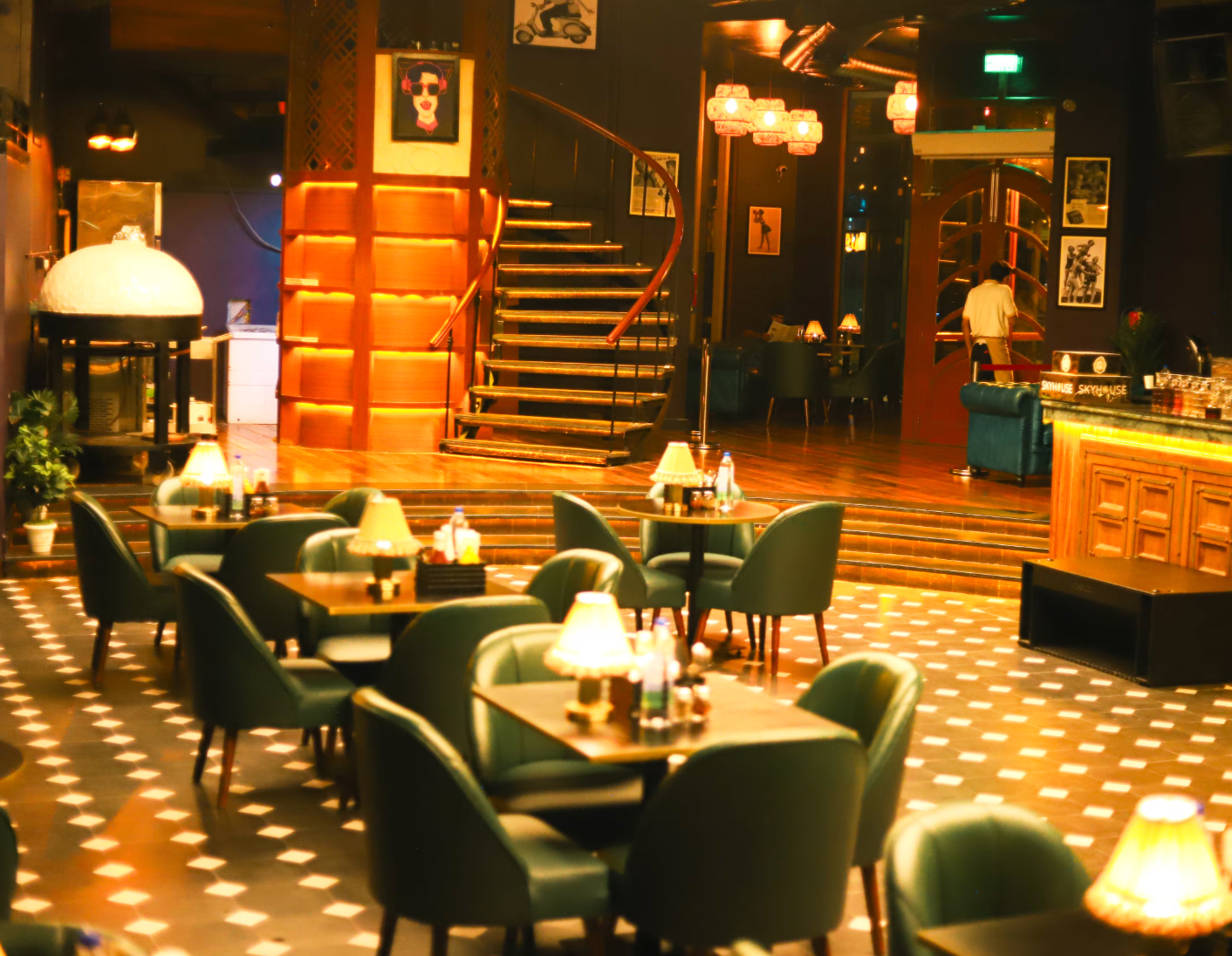

The bustling cafés of Bandra and Colaba, with their festive décor and queues spilling onto the pavements, reveal more than just a Christmas trend. They highlight a powerful seasonal revenue engine that Indian restaurant owners can harness year-round. Across India, the festive period is a proven boon for business, with many establishments anticipating a 15-20% year-on-year sales growth.
social media n restaurant
As restaurant coaches, we’ve observed a fundamental shift: dining out is no longer a rare luxury but an essential lifestyle choice where the experience and atmosphere are as crucial as the food. This article will decode the strategies behind Mumbai’s festive dining phenomenon and translate them into actionable steps you can implement in your restaurant, café, or cloud kitchen to drive consistent growth.
The original article paints a vivid picture of Mumbai’s café culture transforming during December. This isn’t just about peppermint mochas; it’s a city-wide demonstration of strategic experiential marketing. Restaurants leverage limited-edition menus and immersive décor to create a sense of urgency and exclusivity, turning their spaces into must-visit destinations.
The financial impact is significant. Industry leaders report a 9-11% uptick in footfalls even in early December, with expectations of a 15-20% sales surge during the peak week. For some establishments in prime locations, sales during the Christmas through New Year’s week can see a 20-25% increase compared to an average week. This period also sees a notable shift in order patterns, with delivery contributing 30-35% of total sales as people host gatherings at home.
The driving force is a blend of nostalgia and novelty. Patrons are seeking the comforting familiarity of festive traditions, paired with the excitement of unique, Instagram-worthy offerings they can’t get at any other time of year. This creates a perfect scenario for restaurants to increase average order values and attract new customers who come specifically for the seasonal experience.
Whether you run a fine-dining establishment in South Mumbai, a QSR in Pune, or a cloud kitchen in Gurugram, this trend offers clear implications and opportunities.
For Fine-Dining & Casual Restaurants: Your physical space is your biggest asset. The demand for “experience dining” surges during festivals. Customers are willing to wait and pay more for an immersive atmosphere. This is your chance to command premium pricing for curated set menus or festive brunches, which are seeing tremendous demand, with many restaurants reporting being fully booked for key dates.
For Cafés & Bakeries: You are at the heart of this cultural moment. The demand shifts from simple transactions to holiday rituals—think themed high teas, special dessert menus, or giftable pastry boxes. Visual appeal is paramount, as your creations become central to customers’ social media storytelling.
For QSRs & Cloud Kitchens: You compete on convenience and menu innovation. The festive season sees a massive spike in group ordering and late-night deliveries. Brands are extending hours, with some opening 24-hour outlets to capture demand. This is the ideal time to introduce limited-time offerings (LTOs) that tap into festive flavors—think a “Christmas Biryani” or a “Gingerbread Shake”—bundled for group sharing.
For All Entrepreneurs: The underlying principle is universal: create a reason for customers to choose you over routine. A festive strategy builds direct relationships, reduces reliance on discounting, and generates invaluable user-generated content (UGC) that markets your business for you.
Moving from observation to execution requires a structured plan. Here is a roadmap to build your own successful festive campaign.
Your menu is your primary communication tool. Balance emotional familiarity with exciting novelty.
Anchor with Tradition: Include 1-2 classic, universally loved dishes (e.g., a roast preparation, plum cake, or a special biryani). These provide comfort and reduce menu resistance for customers seeking nostalgia.
Innovate with Fusion: Introduce 1-2 signature items that reflect your brand’s personality. Think Tadka Mashed Potatoes, Garam Masala Roasted Carrots, or a Chai Espresso Martini. These become your talkable, shareable stars.
Smart Adaptation: Consider local preferences and kitchen efficiency. Adapt traditional proteins (using chicken or paneer instead of turkey) and integrate familiar spice profiles to make global dishes feel local and accessible.
The line between physical ambiance and digital discovery is blurred. Your strategy must bridge both.
Create In-Person “Instagram Moments”: Invest in one key, photogenic décor element—a unique backdrop, themed installation, or signature limited-edition serving ware. As seen in Mumbai, these elements transform a café into a temporary landmark.
Optimize for Social Sharing: Use a dedicated festive hashtag (e.g., #YourRestaurantChristmas). Train your staff to politely encourage photos. Feature customer-generated content prominently on your own social feeds.
Don’t launch your menu silently. Build a campaign that creates desire.
Tease the Reveal: Start 2-3 weeks prior with behind-the-scenes clips of menu development or sneak peeks of ingredients.
Leverage Multiple Channels: Announce the menu via an email blast to your loyal customers first, then on social media. Partner with a few local food influencers for a curated tasting to amplify reach.
Create Scarcity: Clearly market the menu as “available until [Date].” This drives urgency and motivates customers to visit before time runs out.
A great marketing plan fails without operational excellence.
Staff and Supply: Forecast higher demand and schedule extra staff. Secure your specialty ingredients in advance to avoid last-minute shortages.
Kitchen Efficiency: For complex new dishes, use pre-made bases or marinades to ensure consistency and speed during rush hours. Implement clear kitchen zoning and prep lists.
Manage the Rush: For dine-in, consider reservations or a virtual queue system. For delivery, ensure your packaging maintains food quality and aligns with the festive theme.
The goal is to turn festive visitors into regulars.
Launch a Festive Loyalty Bonus: Offer double points on festive menu orders or a voucher for a return visit in January to smooth post-holiday sales.
Capture Data: Use the occasion to grow your mailing list (e.g., “Enter to win a festive hamper”).
Follow Up: Send a thank-you email after New Year’s with a gentle offer to bring them back, showcasing what’s next on your calendar.
In our coaching work at RestaurantCoach.in, we see many owners treat festive menus as a mere seasonal add-on. The most successful treat it as a strategic highlight of their brand’s identity.
The core lesson from Mumbai’s Christmas scene isn’t about tinsel and turkey. It’s about mastering the art of creating desire. Customers have endless options, including their own kitchens. Your festive campaign answers the critical question: “Why should they choose you right now?”
It demonstrates your brand’s creativity, operational skill, and connection to community. A well-executed limited-time offer is a low-risk, high-reward platform to test new ideas, gather customer feedback, and generate a significant revenue spike.
More importantly, it trains your team in agility and excellence under pressure. The operational discipline required to flawlessly execute a 3-week specialty menu will elevate your standards for the entire year.
The festive season phenomenon proves that Indian consumers are eagerly seeking culinary experiences worth celebrating. By strategically designing limited-edition menus, crafting shareable moments, and executing with precision, you can capture a disproportionate share of this seasonal demand.
Start planning not just for next Christmas, but for the next major festival on the calendar. The principles remain the same: create uniqueness, foster community, and deliver memorable excellence.
Need expert guidance to build a winning strategy for your restaurant? At RestaurantCoach.in, we help food entrepreneurs like you translate industry trends into profitable, sustainable growth. Book a consultation call with our team to develop a customized marketing and operations plan that turns your restaurant vision into a thriving reality.
How far in advance should I plan a festive menu?
Begin ideation and sourcing 8-10 weeks before the launch date. Finalize the menu and begin marketing 3-4 weeks in advance to build anticipation.
My restaurant isn’t a café. Will this work for me?
Absolutely. The principle of a limited-time experiential offering applies universally. A cloud kitchen can launch a festive combo meal; a fine-dining restaurant can create a themed tasting menu. Adapt the “experience” to your format.
How do I price a festive menu correctly?
Factor in the cost of specialty ingredients, additional labor, and marketing. Price for value, not just cost. Customers are willing to pay a 15-25% premium for a well-curated, limited-time experience compared to your regular menu.
The Indian food service industry is witnessing a fascinating shift. Homegrown brands are no longer…
The recent buzz around Indiranagar, Bangalore—where several popular cafes are reportedly restricting laptop usage—has sparked…
As a restaurant business coach working with food entrepreneurs across India, I’ve seen a recurring…

Founded in 2015 by seasoned restaurant professionals who understood the challenges faced by food entrepreneurs in India, Restaurant Coach began as a vision to democratize restaurant success.

Founded in 2015 by seasoned restaurant professionals who understood the challenges faced by food entrepreneurs in India, Restaurant Coach began as a vision to democratize restaurant success. After witnessing countless talented chefs and passionate food lovers struggle with business aspects of restaurant operations, our founders decided to bridge the gap between culinary passion and business acumen.