Demos
Demos  Colors
  Docs
Docs  Support
Home 15
Newly Added


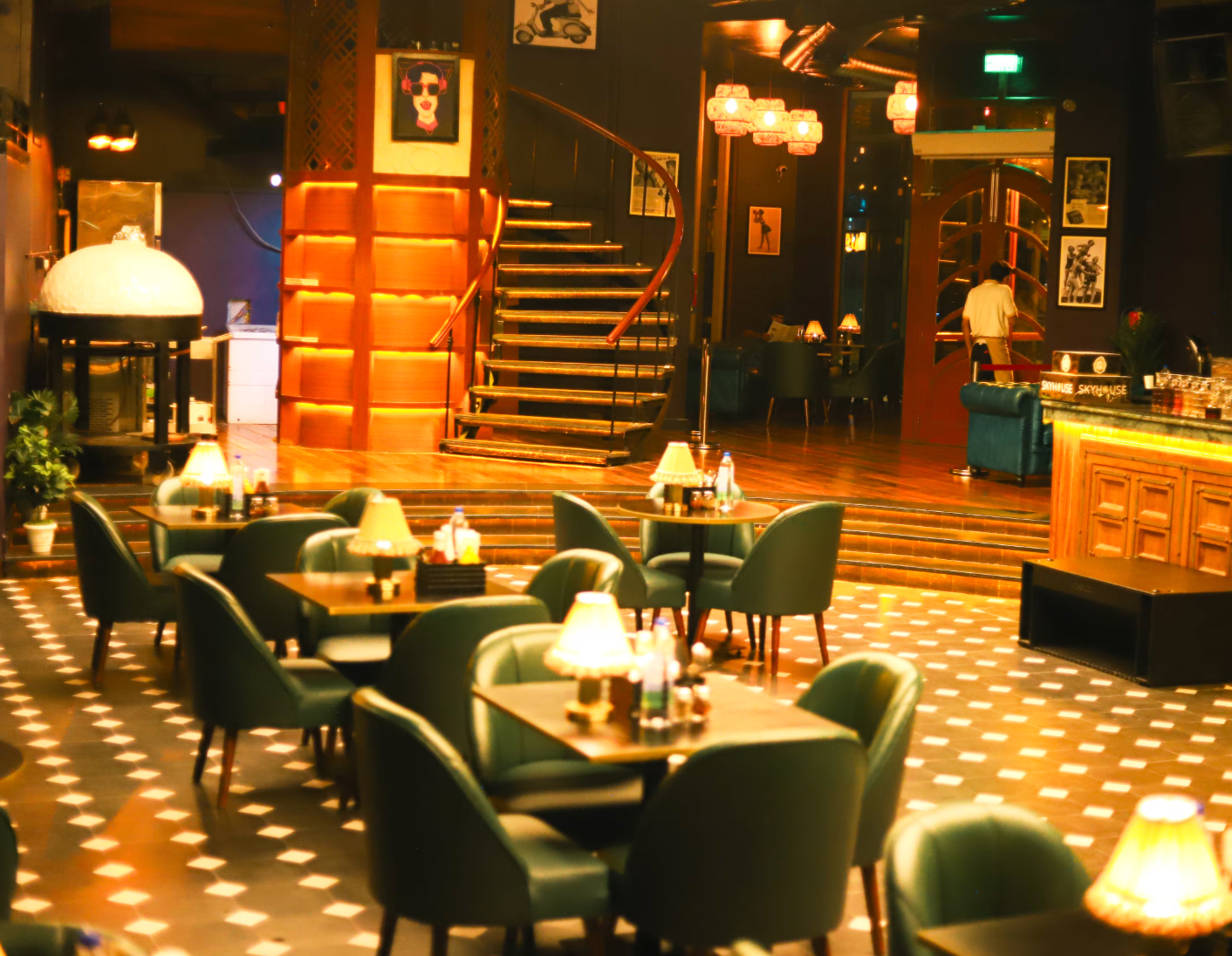

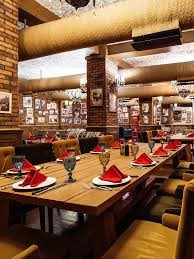
Dreaming of launching your own restaurant but worried about the massive capital required? You’re not alone. In today’s dynamic Indian food market, the traditional ₹50 lakh+ restaurant model is no longer the only—or the smartest—path to success. At RestaurantCoach.in, we’ve guided over 50 food businesses across India, and we can confidently say that some of the most profitable ventures start with minimal, focused investment.
restaurant with low investmant
The secret lies in choosing the right model, avoiding common financial pitfalls, and executing a lean, data-driven launch plan. This comprehensive guide will walk you through proven low-investment restaurant ideas, from booming cloud kitchens to regulated home-based setups, and provide a actionable blueprint to turn your culinary vision into a profitable reality.
The first step to a successful launch is selecting a business model that aligns with your budget, skills, and market opportunity. Here’s a breakdown of the most viable options for aspiring food entrepreneurs in India.
This is the champion of low-cost, high-efficiency startups. Operating solely for delivery, it eliminates costs for prime real estate, lavish interiors, and large front-house staff.
Investment Range: ₹3-8 lakhs. This covers a compact, licensed kitchen space, essential equipment, initial inventory, and platform onboarding.
Profit Potential & Timeline: With lower overheads (rent, utilities, staff), cloud kitchens can achieve gross margins of 60-70%. A well-executed kitchen can reach break-even within 6-9 months.
Best Cities to Start: Top markets with high delivery density include Bangalore, Mumbai, Delhi-NCR, Pune, and Hyderabad.
If your investment capacity is even lower, starting from a regulated home kitchen is a powerful option. The key is strict compliance with the FSSAI’s Food Safety and Standards Regulations.
FSSAI Requirements: You must obtain an FSSAI Registration (Basic) if your annual turnover is below ₹12 lakhs. For higher turnover, a State License is required. Your home kitchen must adhere to hygiene, storage, and packaging standards.
State-Wise Regulations: Always check local municipal and health department rules, as they can vary.
Investment Needed: ₹50,000 – ₹2 lakhs for licensing, specialized equipment, quality packaging, and initial marketing.
Ideal for high-footfall locations like metro stations, office complexes, parks, and markets. It offers customer interaction with relatively low setup cost.
Location is Everything: Success depends entirely on securing a high-traffic spot. Partner with mall managements, corporate parks, or event organizers.
Investment Range: ₹1-3 lakhs for the cart/kiosk fabrication, equipment, and initial stock.
A franchise offers a proven brand, menu, and operating system, reducing trial and error.
Franchise vs. Independent: While you gain brand trust, you pay upfront franchise fees (₹5-20 lakhs) and ongoing royalties (4-8% of revenue). You have less control over menu and pricing.
Top Low-Cost Franchises: Research brands like Wow! Momo, Burger Singh, or Giani’s that offer franchise models starting from ₹10-15 lakhs, sometimes with lower investment “FOCO” (Franchise Owned, Company Operated) models.
Coach’s Insight: Your model choice isn’t just about budget. At RestaurantCoach.in, we help you match the model to your target customer’s ordering habits. For instance, a cloud kitchen is perfect for office-goers in Gurugram, while a kiosk selling fresh juices might thrive near a park in Bangalore.
With your model chosen, follow this disciplined launch sequence. Rushing any step is a classic mistake we help our clients avoid.
1. The Right Concept & Menu Engineering: Don’t just list dishes. Start with menu engineering—design a compact, profitable menu from day one. Identify your “hero” dishes (high popularity, high profit) and ensure ingredient overlap to reduce waste and cost.
2. Legal & Compliance Foundation:
* Business Registration: Proprietorship, LLP, or Private Limited.
* FSSAI License: Non-negotiable. Apply via the FSSAI website.
* GST Registration: Mandatory for most commercial ventures.
* Local Licenses: Shop & Establishment Act, Fire NOC, and local municipal health trade license.
3. Lean Location Strategy: For cloud kitchens, prioritize delivery zone coverage over street presence. Look for areas with a high density of your target customers (e.g., young professionals, families) within a 5-7 km radius.
4. Minimal Equipment Checklist: Buy only what you need to launch.
* Core: Commercial-grade induction/gas stove, refrigeration, exhaust system, food processor.
* Utensils: Precision measuring tools, quality knives, cookware.
* Packaging: Invest in leak-proof, branded delivery packaging.
5. Supplier Negotiations: Build relationships. Ask for credit terms (e.g., 7-15 days payment) from day one to ease cash flow. Never compromise on primary ingredient quality.
6. Zero-Budget Marketing Launch:
* Social Media: Create engaging content (reels of food prep, stories) on Instagram/Facebook.
* WhatsApp Business: Build a community for daily specials and direct orders.
* Local Partnerships: Cross-promote with nearby gyms, offices, or residential societies.
7. Platform Strategy (Zomato/Swiggy): List on one platform first to manage operations. Optimize your listing with professional photos, a clear menu, and prompt response to reviews. Use their promotional tools strategically.
Let’s make this practical. Here’s a sample budget breakdown for a cloud kitchen launched with ₹5 lakhs:
| Expense Category | Estimated Cost (₹) | Notes |
|---|---|---|
| Kitchen Security Deposit | 1,00,000 | For a 200-300 sq. ft. space in a secondary location |
| Kitchen Equipment & Utensils | 1,50,000 | Focus on essentials: cooking, refrigeration, storage |
| Licenses & Legal (FSSAI, GST) | 30,000 | Consult a professional to get this right |
| Initial Food Inventory | 50,000 | 10-15 days of stock for your launch menu |
| Packaging & Branding | 40,000 | Durable, functional, and branded for unboxing experience |
| Technology & Software | 30,000 | POS/order management system, website basics |
| Marketing & Platform Onboarding | 50,000 | Photography, initial digital ads, platform commissions |
| Contingency Buffer | 50,000 | Crucial for unexpected expenses |
| TOTAL | 5,00,000 |
Monthly Operating Cost (Sample):
Rent: ₹15,000 – ₹25,000
Utilities: ₹8,000 – ₹12,000
Staff Salaries (2-3 people): ₹40,000 – ₹60,000
Raw Materials: (30-35% of revenue)
Marketing & Platform Commissions: (20-25% of revenue)
Break-Even Point: With a target average order value of ₹300 and a gross profit margin of 65%, you need approximately 90-100 orders per day to cover monthly fixed costs of ₹1-1.2 lakhs and reach break-even.
In our coaching experience, these pitfalls sink more startups than lack of capital:
Overspending on “Visibility”: For a cloud kitchen, a fancy website or expensive ad shoot is less critical than perfecting your food and delivery operation. Invest in customer retention, not just acquisition.
Wrong Location Analysis: Choosing a cheap location far from your target delivery zone is a fatal error. Analyse platform data for area-wise order density before signing a lease.
Poor Menu Pricing: Guessing your prices leads to slow failure. Use the Prime Cost Method (Food Cost + Labour Cost) and benchmark against competitors.
Undersized Working Capital: The business doesn’t run on initial investment alone. Ensure you have at least 6 months of runway to cover operating costs before reaching break-even.
You can navigate this journey alone, but the learning curve is expensive. Consider this: our clients at RestaurantCoach.in who engage in structured coaching see a 30% faster revenue increase within the first 6 months compared to those who don’t.
Think of it this way: The ₹50,000 you might invest in expert coaching can save you ₹5 lakhs in costly mistakes—from a poorly negotiated lease to a mismatched menu.
Success Story:
*Amit, a former IT professional in Gurugram, approached us with ₹4.5 lakhs and a dream to start a cloud kitchen. Through our concept development and menu engineering process, we helped him narrow his broad “North Indian” concept to a focused “Ghar Jaisa Paneer Specialties” brand. We guided his location choice in Sector 56 (high-density residential), set up his supplier contracts, and executed a hyper-local WhatsApp marketing campaign. He achieved 70 daily orders within 45 days and recovered his initial investment in 8 months.*
This guide is your starting point. To move from planning to action, we’ve created a detailed “Cloud Kitchen Business Plan Template”—a ready-to-use Excel framework with financial projections, checklist, and launch timeline.
Download Your Free Business Plan Template Here. (This would be a linked call-to-action on your website).
Starting a restaurant on a budget is about smart choices, not just cheap ones. If you’re ready to build your food business with a strategic partner who has walked this path 50+ times, let’s talk.
Need expert guidance to navigate these crucial first steps? Our restaurant coaching programs at RestaurantCoach.in help food entrepreneurs build profitable, sustainable businesses from the ground up. [Contact us for a free 30-minute consultation] to transform your restaurant vision into reality.
Q1: Can I really start a restaurant in India with less than ₹1 lakh?
A: Yes, primarily through a regulated home-based kitchen model focusing on a niche product (e.g., homemade desserts, pickles, or curated meal boxes). The key is strict FSSAI compliance and marketing via social media and local networks.
Q2: What is the main difference between a cloud kitchen and a ghost kitchen?
A: The terms are often used interchangeably. Technically, a cloud kitchen is a delivery-only kitchen for your own brand. A ghost kitchen is a facility that houses multiple kitchen spaces, which can be used by multiple brands (sometimes run by the same owner) to optimize space and resources.
Q3: Is a franchise better than starting my own independent brand with low investment?
A: It depends. A franchise offers brand recognition and systems (reducing risk) but costs more in fees and royalties, limiting control. An independent brand is cheaper to start and offers full control but requires you to build awareness and systems from scratch. For true low-investment restaurant franchise India options, look for emerging brands with lower entry barriers.
Q4: How do I handle delivery if I start a home-based kitchen?
A: You can start with self-delivery within a small radius using delivery partners like Dunzo or Shadowfax. As orders grow, onboarding on Swiggy or Zomato is essential, but be prepared for their commission structure (20-30%). Factor this into your pricing.
The Indian culinary landscape is about to witness a seismic shift. When a chef of…
From Restaurant to Retail: Turning Your Signature Flavors Into a New Revenue Stream In today’s…
If you’re running a restaurant, bar, or lounge in India’s competitive hospitality landscape, a major…
If you’re running a restaurant in India today, you’re not just competing with the eatery…
Founded in 2015 by seasoned restaurant professionals who understood the challenges faced by food entrepreneurs in India, Restaurant Coach began as a vision to democratize restaurant success.

Founded in 2015 by seasoned restaurant professionals who understood the challenges faced by food entrepreneurs in India, Restaurant Coach began as a vision to democratize restaurant success. After witnessing countless talented chefs and passionate food lovers struggle with business aspects of restaurant operations, our founders decided to bridge the gap between culinary passion and business acumen.