Demos
Demos  Colors
  Docs
Docs  Support
Home 15
Newly Added



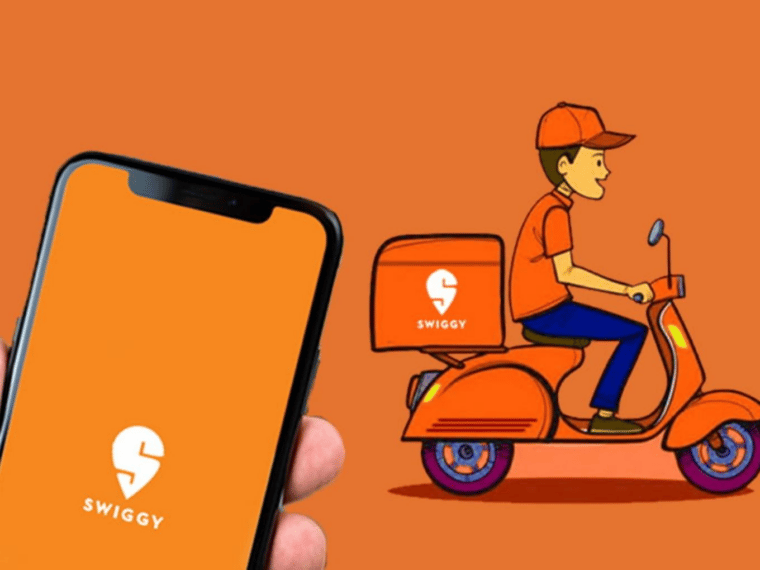
Swiggy commission
Reduce Zomato & Swiggy Commission from Restaurant Coach – Nitin Kapoor
If you’re like hundreds of Indian restaurant owners we speak to every month, a sinking feeling hits when you see your monthly Zomato and Swiggy settlement statements. What started as a 15-20% commission has quietly ballooned to 25-35% of every order after packaging fees, priority listing charges, and advertising costs. The platforms brought you customers, but now they might be eating your entire profit margin.
At RestaurantCoach.in, we’ve guided over 500 restaurant and cloud kitchen owners across India—from Mumbai’s bustling lanes to Bangalore’s tech parks—to reclaim profitability and reduce dependency on these aggregators. The good news? You can negotiate better terms, optimize your operations, and build a more sustainable business.
This isn’t about quitting platforms entirely—that’s unrealistic for most. It’s about strategically reducing their cost and influence on your bottom line. Let’s dive into the real numbers and the seven proven strategies our coaching clients use successfully.
The Real Cost of Aggregator Dependency: It’s More Than Just Commission
Before we solve the problem, let’s quantify it. When a customer pays ₹500 for an order on Swiggy, here’s where the money often goes:
Your net realization can be as low as 60-65% of the menu price. For a restaurant with a 20% net profit margin, this means delivery platforms are taking more profit than you are. A 2023 industry survey revealed that 35% of Indian restaurants actively want to quit these platforms but feel trapped, seeing no clear alternative.
The goal isn’t necessarily to leave, but to ensure these platforms serve you, not the other way around.
Strategy 1: Menu Engineering for Platform Orders
You control your menu. Use that power.
Coaching Insight: At RestaurantCoach.in, we often conduct “Menu ROI Audits” for clients. One Ahmedabad café increased its platform AOV by 28% simply by re-engineering 5 key combo meals, protecting their margin despite the commission.
Strategy 2: Build Your Direct Delivery Channel (Your Most Powerful Asset)
Your website and phone number are not relics; they are lifelines to profitability.
Strategy 3: Renegotiating Platform Terms (When & How to Approach)
Yes, you can negotiate. The key is leverage.
Coaching Insight: A Gurugram cloud kitchen client of ours used their 40% direct order volume as leverage to secure a 22% all-in commission with Swiggy, down from 28%. Every percentage point saved goes straight to your bottom line.
Strategy 4: The 60-40 Rule: Cap Your Platform Dependency
This is a cornerstone of our coaching at RestaurantCoach.in.
Never let any single aggregator platform contribute more than 40% of your total revenue. Aim for platforms combined to be ≤ 60% of your business.
| Revenue Source | Ideal Mix | Action if Exceeded |
| Direct Channels (Walk-in, Website, Phone, WhatsApp) | ≥ 40% | Increase marketing spend here. |
| Primary Aggregator (e.g., Swiggy) | ≤ 30% | Reduce ad spend, renegotiate rates. |
| Secondary Aggregator (e.g., Zomato) | ≤ 20% | Maintain, optimize menu. |
| Others (Catering, Corporate Tie-ups) | ≤ 10% | Explore and grow. |
This rule forces you to diversify and build resilience. If Zomato changes its algorithm or Swiggy hikes fees overnight, your business isn’t crippled.
Strategy 5: Cloud Kitchen Economics & Leveraging Lower Rates
If you operate a Cloud Kitchen or Delivery-Only Brand, you have unique advantages.
Strategy 6: Packaging & Pricing Optimization
Small leaks sink great ships. Optimise every paisa.
Strategy 7: Data Analysis for Platform ROI (Stop Guessing)
You must know the true profitability of each channel.
RestaurantCoach.in Real Examples: Before & After
Case Study 1: The Bangalore QSR (Cloud Kitchen)
Real Example 2: The Delhi Cafe (Dine-in + Delivery)
Real Example 3: The Mumbai Multi-Cuisine Restaurant
Need a bespoke plan for your restaurant?
These seven strategies are a starting point. Every restaurant’s situation—your location, cuisine, team, and goals—is unique. Implementing them without a clear plan can be overwhelming.
Our restaurant coaching program at RestaurantCoach.in has helped 100+ Indian restaurants increase net profit margins by 8-15%. We provide a structured, step-by-step plan tailored to your business.
Schedule a free 30-minute consultation with our team. We’ll analyze your current statements, identify your biggest leverage point, and chart a clear path to reduce fees and increase profits.
Click Here to Schedule Your Free Profitability Audit
FAQ: Reducing Zomato & Swiggy Commission
Q1: Is it legal to have different prices on Zomato/Swiggy than my own menu?
A: Yes, absolutely. You are free to set your prices on each sales channel. The platforms may have rules against directing customers off their app within the app, but pricing differently is standard business practice to account for channel costs.
Q2: Can Zomato/Swiggy delist me if I try to negotiate or build direct channels?
A: They are commercial platforms that profit from your sales. Delisting a high-quality, popular restaurant hurts their inventory and customer choice. As long as you maintain good service metrics, the risk is very low. Building a direct channel actually makes you a more stable business partner for them.
Q3: What’s the fastest strategy to start seeing results?
A: Implement Strategy 2 (Direct Channel) and Strategy 1 (Menu Engineering) simultaneously. Launch your WhatsApp ordering today with a special offer, and by tomorrow, adjust 3-5 popular platform items into higher-margin combos. You’ll see a difference in the next week’s data.
Q4: I’m a very small restaurant with just 2-3 staff. Can I do this?
A: Yes! In fact, it’s more critical. Start with WhatsApp. A single staff member can manage orders during peak times. The direct margin you save could fund an additional part-time helper.
Q5: Where can I learn more about restaurant business fundamentals in India?
A: Explore resources from the National Restaurant Association of India (NRAI) and ensure all your practices comply with FSSAI regulations. For business strategy and profitability deep-dives, the blog at RestaurantCoach.in is built specifically for Indian food entrepreneurs like you.
It’s happened again. Just as we were all getting used to the last round of…
The Indian food business is often romanticized, but the reality is that it’s a battlefield…
The news is out, and it’s creating quite a buzz in the Indian food and…
Swiggy vs Zomato Q3 Results: What It Means for Restaurant Owners The latest quarterly results…
Founded in 2015 by seasoned restaurant professionals who understood the challenges faced by food entrepreneurs in India, Restaurant Coach began as a vision to democratize restaurant success.

Founded in 2015 by seasoned restaurant professionals who understood the challenges faced by food entrepreneurs in India, Restaurant Coach began as a vision to democratize restaurant success. After witnessing countless talented chefs and passionate food lovers struggle with business aspects of restaurant operations, our founders decided to bridge the gap between culinary passion and business acumen.