Demos
Demos  Colors
  Docs
Docs  Support
Home 15
Newly Added



For years, the story of “Asian food” in India was a simple, beloved tale of Chilli Chicken and Hakka Noodles. But as a restaurant coach, I’ve witnessed a dramatic plot twist unfolding across the country. Today, a new chapter is being written, one where discerning Indian diners are confidently ordering Kimchi, exploring Ramen, and appreciating the delicate difference between Sushi and Sashimi. This isn’t just a food trend; it’s a fundamental shift in consumer behaviour and a massive business opportunity for savvy restaurant owners, from fine-dining establishments to cloud kitchens.
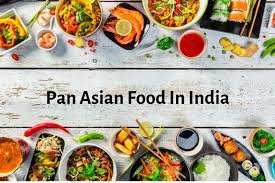
pan asia 1
The rise of Pan-Asian cuisine represents more than just new menu items. It signals a more globally aware, adventurous, and value-conscious customer. They are shaped by travel, social media (especially Instagram and YouTube), and a desire for authentic, experience-driven dining. If your restaurant is still solely playing the old Indo-Chinese symphony, you might be missing out on a rapidly growing, high-margin audience. Let’s break down what this trend means for your business and, most importantly, what you should do about it.
The original article highlights a crucial evolution: from generic “Chinese” to a nuanced appreciation for Japanese, Korean, Thai, and other regional Asian flavours. This transformation is powered by three key engines:
The Informed Diner: Today’s customer, especially millennials and Gen Z, is a researcher. They watch travel shows, follow food influencers, and know their Gochujang from their Miso before they even walk in. They seek authenticity and a story, not just a familiar taste.
The Supply Chain Revolution: A decade ago, sourcing sushi-grade fish, authentic Korean pastes, or fresh seaweed was a hurdle. Now, specialised importers and local producers have made these ingredients accessible even in tier-2 cities, lowering the barrier to entry for restaurants.
The Format Innovation: The trend isn’t confined to five-star hotels. It’s flourishing in neighbourhood eateries (like Zuki in Noida), lifestyle rooftop bars (like The Flying Trunk in Delhi), and youth-centric cafes. This shows the market’s elasticity—there’s room for premium, casual, and everything in between.
From a coaching perspective, this tells us the market is maturing. It’s segmenting. Customers are willing to pay for quality and authenticity, but they also want formats that fit their lifestyle and budget. This creates multiple entry points for food entrepreneurs.
So, how does this Pan-Asian wave directly affect you, whether you run a QSR in Bangalore, a cloud kitchen in Gurugram, or a cafe in Mumbai?
The bar has been raised. A standard “Chilly Fish” won’t impress the customer who’s just watched a street food documentary on Bangkok. Your competition is no longer just the restaurant down the road; it’s the collective experience being set by innovative brands nationwide. Differentiation is key.
Stagnant menus are a silent profit-killer. The Pan-Asian trend offers a fantastic avenue for high-margin innovation. Ingredients like rice, noodles, and vegetables, when paired with unique Asian sauces and techniques, can command significantly better prices than tired old formulas.
As seen with The Flying Trunk, it’s not just about the food. It’s about the ambience, the narrative, the Instagrammable moment. Young India dines out for an experience. A Pan-Asian concept offers rich cultural themes to tap into—be it a serene Japanese Izakaya vibe or a vibrant Korean BBQ party atmosphere.
This is a golden era for cloud kitchens. Pan-Asian food, with its distinct flavours that travel well (think bowls, ramen, stir-fries), is perfectly suited for delivery. You can launch a focused Korean fried chicken or Thai curry brand with lower overheads and test the market rapidly.
At RestaurantCoach.in, we’ve helped a client in Pune pivot their struggling cafe by introducing a compact “Pan-Asian Bowls” section. By focusing on three hero items—a Thai Green Curry Bowl, a Korean Bibimbap Bowl, and a Japanese Donburi Bowl—they tapped into the trend without a complete overhaul, increasing their average order value by 35% on delivery platforms.
Thinking of incorporating Pan-Asian elements? Don’t just throw some Schezwan sauce on everything. Here’s a strategic, actionable approach:
H3: 1. Start with Research, Not Recipes.
Before you source a single ingredient, understand your target customer. Are they students looking for bold, affordable flavours? Or are they young professionals seeking an authentic, premium experience? Use tools like Google Trends, social media scouting, and platform data (Swiggy/Zomato insights) to see what’s trending in your city.
H3: 2. Master One Cuisine, Don’t Mediocrely Do Many.
The biggest mistake is creating a “Pan-Asian” menu that’s a mile wide and an inch deep. Be strategic. Specialise.
For Cloud Kitchens: Launch a single-cuisine brand. “Seoul Fried Chicken Co.” or “Bangkok Street Curry Co.”
For Existing Restaurants: Add a dedicated section. “Taste of Thailand” or “Tokyo Street Eats” with 4-5 well-executed dishes is far more credible than 20 mediocre ones.
H3: 3. Build a Reliable Supply Chain.
Your food is only as good as your ingredients. Invest time in finding the right suppliers for:
Sauces & Pastes (Soy, Oyster, Gochujang, Miso, Curry Pastes)
Specialty Produce (Bok Choy, Thai Basil, Kimchi)
Proteins (Sushi-grade fish, quality pork belly)
Network with other restaurant owners or connect with importers at food fairs. This is a critical operational step.
H3: 4. Train Your Kitchen Staff (The Heart of It All)
Authenticity requires technique. Can your cook differentiate between a stir-fry and a proper Thai curry paste? Consider:
Hiring a specialist chef for a short-term consultancy to train your team.
Investing in online masterclasses for your head chef.
Starting with simpler, forgiving dishes that don’t require highly specialised skills.
H3: 5. Price It Right & Communicate Value.
Pan-Asian allows for premium pricing, but you must justify it. Use menu engineering:
Tell a Story: Use brief, evocative descriptions. “Our Chicken Katsu Sando uses Japanese Milk Bread and a housemade Tonkatsu sauce.“
Highlight Authenticity: Mention “imported,” “house-made,” or “traditionally prepared.”
Bundle for Experience: Create combo meals (e.g., Ramen + Gyoza + Matcha Drink) to increase perceived value and ticket size.
H3: 6. Market the Experience, Not Just the Food.
Leverage the visual and cultural appeal.
Social Media: Create reels of your chef hand-pounding curry paste or the perfect sushi roll being crafted.
Collaborations: Host a pop-up with a Korean beauty brand or a sake tasting event.
Ambience: Use subtle thematic decor, music, and even staff greetings to immerse the customer.
H3: 7. Test, Measure, and Iterate.
Start small. Introduce 2-3 new dishes as “Chef’s Specials.” Monitor their sales performance, customer feedback (online reviews are gold!), and food cost. Use this data to refine your offerings before a full menu launch.
In my coaching sessions, I always stress that chasing trends without a solid foundation is a recipe for burnout. The Pan-Asian trend is powerful, but it must align with your core business.
Sustainability Over Virality: Don’t do it just because it’s cool. Do it because it fits a gap in your local market and you can execute it consistently. A poorly made sushi roll will damage your reputation faster than not having one at all.
The “Localised Authenticity” Balance: The Indian palate is unique. While seeking authenticity, understand that some level of adaptation might be necessary. The key is to be intentional about it—are you simplifying a flavour profile for broader appeal, or are you just being lazy? The former is strategy; the latter is a compromise on quality.
Financial Prudence is Key: This trend can involve higher ingredient costs. Your menu pricing, portion engineering, and waste management must be razor-sharp. A beautiful Chirashi Bowl is a loss leader if you haven’t costed it correctly.
This is precisely why we emphasize a structured “Menu & Concept Innovation” module in our restaurant coaching programs at RestaurantCoach.in. It’s not about giving you recipes; it’s about giving you the framework to evaluate trends, assess your operational capability, and launch new offerings that are profitable and sustainable for your specific business.
The rise of Pan-Asian cuisine in India is a clear signal: the Indian diner is evolving, and your business must evolve with them. This trend offers a tangible path to attract new customers, increase average spending, and build a more resilient, modern brand.
Start by auditing your current menu and customer base. Choose one actionable step from the list above—perhaps researching suppliers or training your chef on one new dish—and execute it flawlessly. Trends come and go, but the ability to strategically adapt your business is the ultimate competitive advantage.
Feeling inspired but overwhelmed about where to start? You don’t have to navigate this shift alone.
Need expert guidance to navigate these industry changes? Our restaurant coaching programs at RestaurantCoach.in help food entrepreneurs like you build profitable, sustainable businesses. [Book a Free Discovery Call] to transform your restaurant vision into reality.
The Indian food service industry is witnessing a fascinating shift. Homegrown brands are no longer…
The recent buzz around Indiranagar, Bangalore—where several popular cafes are reportedly restricting laptop usage—has sparked…
As a restaurant business coach working with food entrepreneurs across India, I’ve seen a recurring…

Founded in 2015 by seasoned restaurant professionals who understood the challenges faced by food entrepreneurs in India, Restaurant Coach began as a vision to democratize restaurant success.

Founded in 2015 by seasoned restaurant professionals who understood the challenges faced by food entrepreneurs in India, Restaurant Coach began as a vision to democratize restaurant success. After witnessing countless talented chefs and passionate food lovers struggle with business aspects of restaurant operations, our founders decided to bridge the gap between culinary passion and business acumen.