Demos
Demos  Colors
  Docs
Docs  Support
Home 15
Newly Added

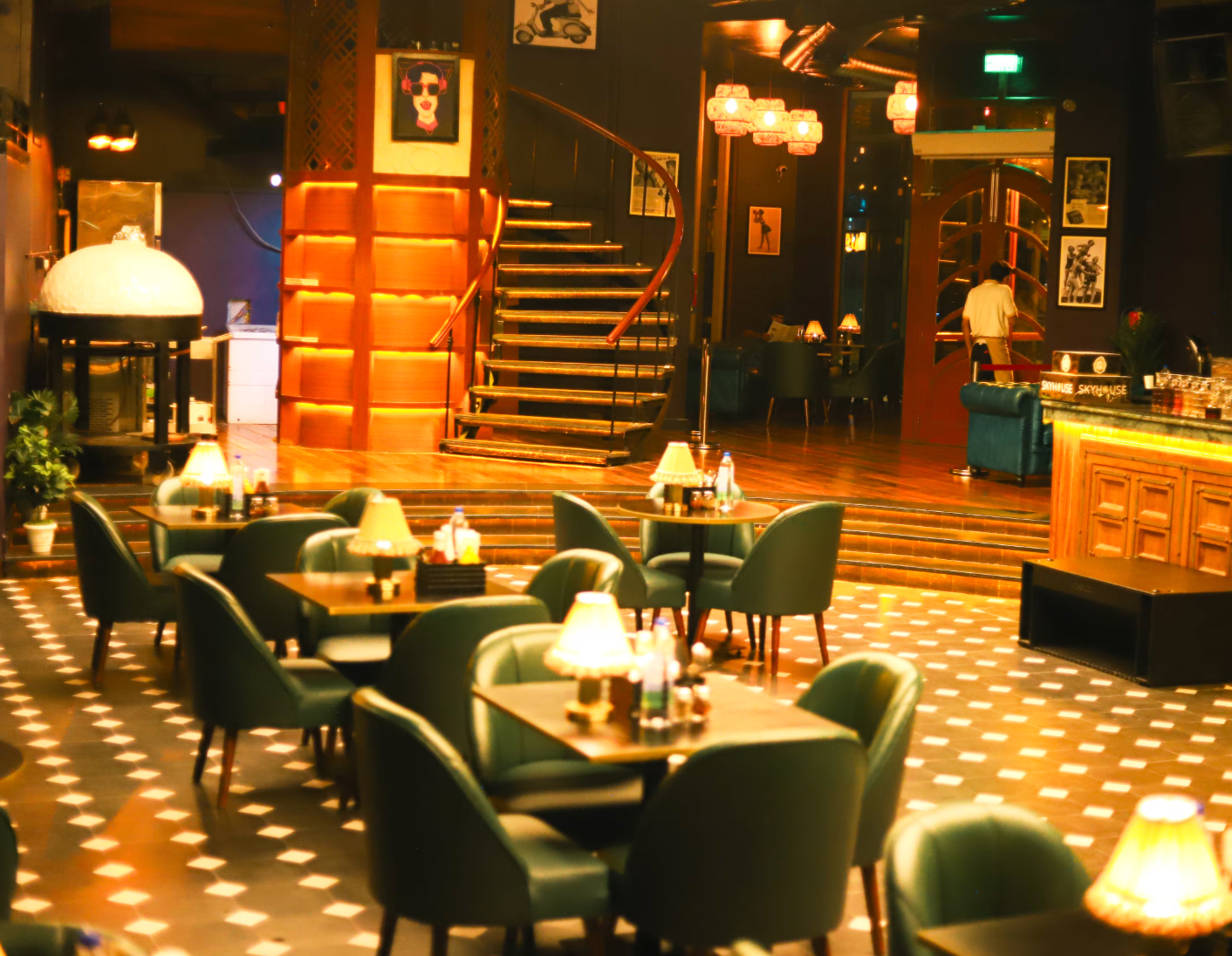

For decades, many Indian restaurant owners have operated with a simple formula: find a good location, serve tasty food, and hope customers walk in. This reactive approach is why 80% of restaurant owners struggle to grow, trapped in a cycle of daily operations without a clear path to profitability.
A significant shift is happening right now, and the recent opening of Mercure Mussoorie, a globally branded hotel deeply rooted in local culture, is a powerful signal. This isn’t just hotel news; it’s a masterclass in the modern consumer demand that is reshaping our entire industry. Travelers—and by extension, all diners—no longer just want a meal or a bed. They seek an authentic, immersive experience that connects them to a place’s soul.
This move by an international giant like Accor, through its partnership with Treebo Hospitality Ventures, validates a trend we’ve been coaching our clients on at RestaurantCoach.in for months: hyper-local is the new global. In this article, we’ll decode the Mercure Mussoorie strategy, translate its lessons for your restaurant in Mumbai, Delhi, Bangalore, or any Indian city, and give you a concrete action plan to not just compete, but to dominate your local market.
Mercure Mussoorie’s strategy is a direct response to a fundamental change in consumer behavior. Post-pandemic, there’s a pronounced shift towards “experience-led” travel and dining. People are choosing destinations and restaurants that offer a story, a sense of place, and a connection to local culture over generic, one-size-fits-all options.
The hotel is strategically designed to be a “warm and authentic gateway” to Mussoorie, not just a place to sleep. It celebrates the hill station’s colonial charm, scenic beauty, and vibrant local life. This is a critical insight: they are not importing a foreign concept; they are building their brand around the destination’s existing identity.
Furthermore, its launch is backed by data showing rising demand in hill stations for quality, professionally managed accommodations that enhance rather than dilute the local essence. This mirrors what’s happening in metro food scenes, where customers flock to restaurants that offer a genuine taste of a specific region or community, as seen with the global acclaim for restaurants like Semma in New York, which focuses squarely on Tamil Nadu cuisine.
So, how does a hotel in the Himalayas affect your restaurant in a bustling city? The connection is in the consumer mindset it represents. The same guest who chooses Mercure Mussoorie for its local immersion is the customer walking into your restaurant. They are making choices based on authenticity, experience, and narrative.
Here’s what this means for you:
The End of Generic “Indian” Menus: The era of the monolithic “North Indian” or “South Indian” section is over. Diners are increasingly knowledgeable and crave specificity. A 2025 trend report highlights hyper-regional flavors as a top movement, with patrons seeking out dishes from specific states, communities, and even tribal cuisines. If your menu doesn’t tell a deeper story, you’re leaving money on the table.
Experience is Your New Competitive Edge: Food quality is the entry ticket, not the differentiator. Customers now pay for the entire dining ecosystem—the ambiance, the staff’s knowledge, the origin story of your ingredients, and the feeling they take away. This is the “experience-led hospitality” that successful brands are banking on.
The Local vs. Global Paradox: Mercure succeeds by being globally consistent in service but locally unique in character. Your restaurant can do the same. You don’t need to be a worldwide chain to offer professional, reliable service while showcasing what makes your food and location uniquely wonderful.
Knowing the trend is one thing; acting on it is another. Here is a actionable framework you can implement starting next week, based on the core principles behind Mercure’s success and our coaching at RestaurantCoach.in.
Before you change your menu, change your perspective. Use this classic business tool to audit your operation through a local lens.
Strengths (Local Advantages): Do you use a family recipe? Source from a particular nearby farm? Is your chef from a specific region? Highlight these.
Weaknesses (Generic Offerings): What items on your menu could be found in any of your competitor’s restaurants? These are your targets for change.
Opportunities (Community Gaps): Is there a regional cuisine from your owner’s or chef’s hometown that isn’t served in your city? Is there a local festival or ingredient you could build an event around?
Threats (Evolving Competition): Are new, niche restaurants opening nearby? Is customer interest shifting? Acknowledge these to stay ahead.
Your menu is your primary marketing tool. Apply menu engineering with a narrative twist.
| Menu Item Category | Traditional Focus | “Local-First” Strategy |
|---|---|---|
| Stars (High Profit, High Sales) | Feature them prominently. | Tell their story. Add a brief line: “Our bestseller, based on our chef’s grandmother’s recipe from Kerala.” |
| Puzzles (High Profit, Low Sales) | Try to promote them. | Rebrand and reconnect. Rename a “Lamb Curry” to “Kashmiri Rogan Josh, with spices sourced directly from Srinagar markets” and train staff to describe it. |
| Plowhorses (Low Profit, High Sales) | Manage costs carefully. | Elevate with local value. Can you use a premium local ingredient to justify a slight price increase? Example: “Made with organic tomatoes from [Local Farm Name].” |
| Dogs (Low Profit, Low Sales) | Consider removing. | Replace with a regional specialty. Use this slot to introduce a unique, hyper-local dish that becomes a conversation starter. |
Your servers are the bridge between your kitchen’s story and your guest’s experience. Move them from order-takers to guides.
Knowledge: Ensure every team member can confidently explain the inspiration behind 3-4 signature dishes.
Storytelling: Role-play how to naturally weave a dish’s origin into the service. “Would you like to try our Gunpowder Prawns? It’s a fiery coastal dish from Chennai – very popular there as a bar snack.”
Authenticity is proven, not claimed. Build partnerships that customers can see and appreciate.
Source and Shout-Out: Partner with a local dairy, bakery, or vegetable grower. Mention them by name on your menu or a wall graphic. This builds community trust and gives you a unique selling proposition.
Collaborate on Events: Host a pop-up night with a local artisan, musician, or historian. This transforms a dinner into a memorable event.
Your online presence must reflect your in-person authenticity.
Social Media with Substance: Don’t just post food photos. Post a video of your chef visiting the local market, or a short reel explaining a unique cooking technique from a specific region.
Manage Your Digital Footprint: Actively curate reviews on Zomato and Google. Respond to feedback and reiterate your restaurant’s story and commitment to local flavors.
In my experience coaching restaurant owners across India, the most common fear is that focusing on niche, regional cuisines will limit their customer base. The evidence suggests the opposite. Specialization builds a loyal, premium customer base.
Look at the global rise of Indian restaurants. The most celebrated ones, like Semma in New York (focusing on Tamil Nadu food) or Bungalow (showcasing regional Indian heritage), are not serving generic buffets. They are deeply specific, and because of that, they command respect, higher price points, and waiting lists that are months long. They have turned regional specificity into a premium global brand.
This “local-first” strategy is also a powerful antidote to third-party delivery dependency. When customers have an emotional connection to your brand’s story, they are more likely to order directly from you, visit in person, and pay full price. They aren’t just buying calories; they are buying into an experience that a delivery app cannot replicate. This is a core principle we integrate into the business systems we build with our clients at RestaurantCoach.in.
The opening of Mercure Mussoorie is a clear market signal: the future belongs to businesses that can blend operational excellence with authentic local character. Your restaurant’s unique story—your family recipes, your regional heritage, your connection to local suppliers—is not a sidebar. It is your most valuable asset in a crowded market.
Stop trying to be everything to everyone. Start by being the definitive source for something specific and wonderful. Deepen your roots to expand your reach.
Need expert guidance to translate these trends into a profitable, sustainable business for your restaurant? At RestaurantCoach.in, we help food entrepreneurs like you build strategic systems, design story-driven menus, and create customer experiences that turn first-time visitors into lifelong advocates. Contact us today to schedule a consultation and begin transforming your culinary vision into a thriving, future-proof reality.
Q1: I run a QSR or cloud kitchen. Does this “experience” trend still apply to me?
Absolutely. For delivery-focused brands, the “experience” translates to packaging, branding, and digital storytelling. Use your packaging to tell the story of your dish’s origin. Your app or website should have a section about “Our Story” and “Our Ingredients.” A cloud kitchen can successfully run multiple virtual brands, each with a distinct regional focus (e.g., a Konkan seafood brand and a Punjabi dhaba-style brand) operated from the same facility.

mussoorie 1
Q2: Won’t focusing on one region scare away customers who want variety?
A focused menu is not necessarily a small menu. You can offer a varied tasting experience within one regional cuisine. For example, a restaurant focusing on Punjab can offer everything from hearty sarson ka saag to delicate Amritsari fish, street food to royal dishes. The coherence and depth become your strength, not a limitation.
Q3: How can I test a hyper-regional concept without a full menu overhaul?
Start with a “Regional Spotlight” pop-up night or weekly special. This low-risk approach lets you gauge customer interest, gather feedback, and create buzz. Promote it heavily on social media as a special event. If a dish becomes a hit, it can earn a permanent place on your menu.
The Indian food and beverage (F&B) industry is buzzing with news that has significant implications…
Maharashtra PNG Supply Hike: A Restaurant Coach’s Guide to Relief and Resilience For restaurant owners…
The Fast-Food Diabetes Link: What Telangana’s Health Warning Means for Your Restaurant’s Future As a…
As restaurant business coaches in India, we at RestaurantCoach.in spend a lot of time in commercial kitchens.…

Founded in 2015 by seasoned restaurant professionals who understood the challenges faced by food entrepreneurs in India, Restaurant Coach began as a vision to democratize restaurant success.

Founded in 2015 by seasoned restaurant professionals who understood the challenges faced by food entrepreneurs in India, Restaurant Coach began as a vision to democratize restaurant success. After witnessing countless talented chefs and passionate food lovers struggle with business aspects of restaurant operations, our founders decided to bridge the gap between culinary passion and business acumen.