Demos
Demos  Colors
  Docs
Docs  Support
Home 15
Newly Added

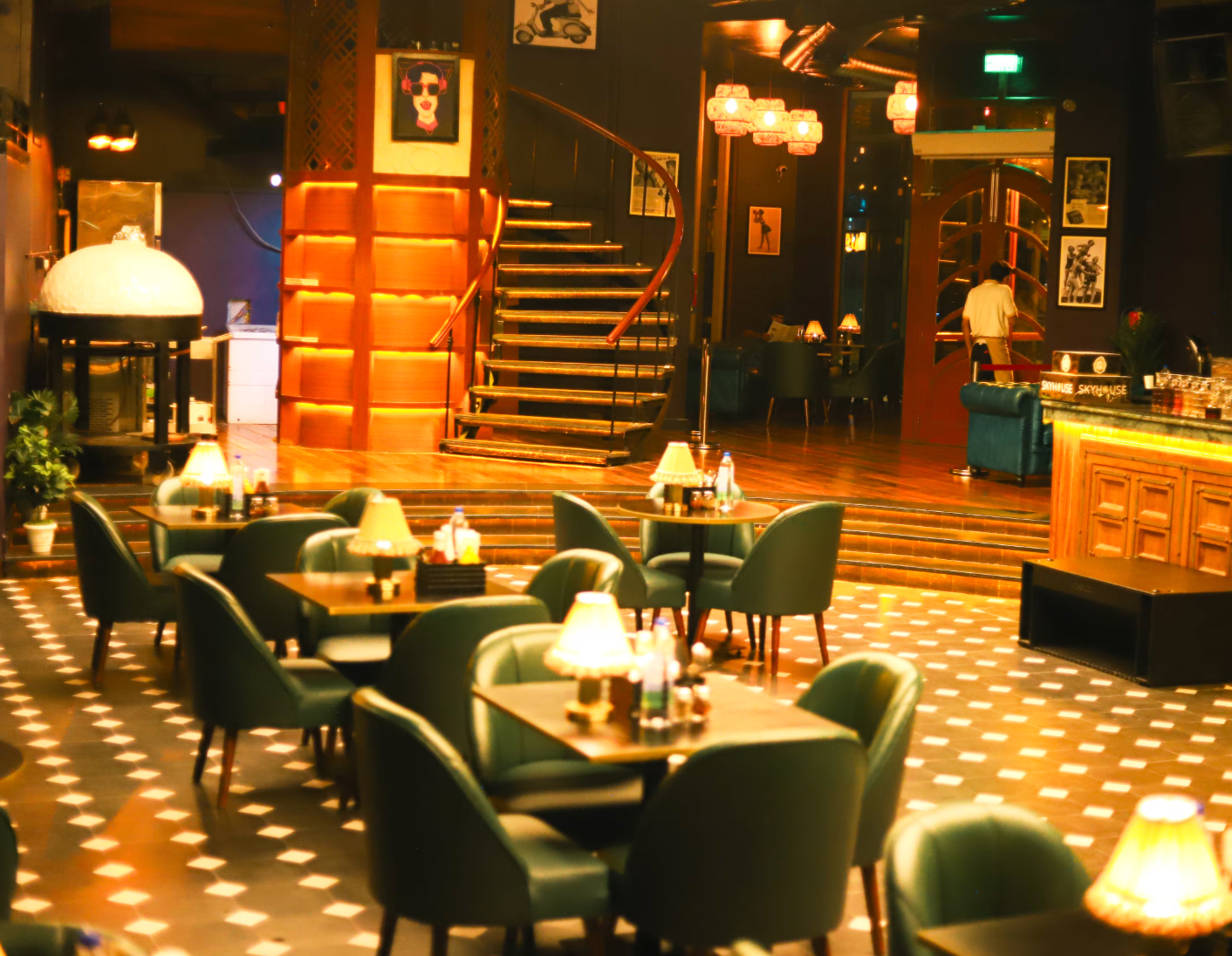

If you’re a restaurant owner in India, watching a major chain like Burger Singh open a new outlet in Darbhanga might feel like distant corporate news. But look closer. This single store opening is a powerful signal, a move that decodes the future of the Indian food service industry. For the astute entrepreneur, it’s not just a news headline—it’s a strategic blueprint for profitable growth.
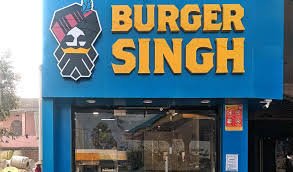
singh 1
As your restaurant coach, I see this expansion as a masterclass in identifying and capitalizing on high-potential markets. Burger Singh isn’t just selling burgers in Bihar; they’re executing a calculated strategy that independent owners and aspiring food entrepreneurs can learn from. Their move into Darbhanga, followed by planned expansion into cities like Patna, Bettiah, and Begusarai, underscores a massive shift. The real battleground for food business growth has moved decisively to Tier 2 and Tier 3 cities.
Let’s dissect this strategy, understand its profound impact on your business, and translate it into actionable steps you can take today. This is about turning market observation into your competitive advantage.
Burger Singh’s expansion is a textbook case of data-driven decision-making. The company’s leadership identified Darbhanga as “one of the state’s fastest-growing urban centres” with “increasing consumption patterns”. This wasn’t a guess. It was a conclusion drawn from analysing key market indicators that every restaurant owner should monitor.
First, they tracked demographic and economic momentum. Cities like Darbhanga are experiencing a rise in disposable income and an evolving food culture that is creating demand for organised dining formats. This is part of a broader, explosive trend. The Bihari restaurant market alone is projected to grow from $1.2 billion in 2024 to $3.8 billion by 2033. Burger Singh is strategically positioning itself to capture a share of this growth by entering markets where international QSR presence is still limited.
Second, they doubled down on a proven, asset-light model. This expansion is powered by their “Owner-Partner franchise model,” designed to empower local entrepreneurs with lower financial risk. For a commitment starting around ₹2.4 million, partners get a turnkey operation with support in site selection, training, and marketing. This model allows for rapid, capital-efficient scaling into communities where a local owner’s connections are invaluable.
In essence, Burger Singh’s playbook is clear: Use robust market analysis to identify high-growth Tier 2/3 cities, then deploy a franchise model that leverages local entrepreneurship to build relevance quickly. For them, Darbhanga is not the end goal but a strategic node in a plan to open 5-7 more outlets in Bihar within 18 months.
This single news item sends ripples across the entire industry, creating both challenges and monumental opportunities.
For Independent Restaurant Owners: The entry of a national chain validates your market but also brings direct competition. However, their presence also grows the overall market for organised dining, attracting more customers to your area. Your advantage? Agility and hyper-local authenticity. While chains standardise, you can innovate and connect on a community level they cannot easily replicate.
For Aspiring Food Entrepreneurs & QSR Operators: The barrier to entry for branded QSRs is being lowered. Burger Singh’s owner-partner model demonstrates that you don’t need to build a brand from scratch to enter the market. You can partner with an established brand, benefiting from their supply chain, marketing, and operational systems while bringing your local market knowledge to the table.
For Cloud Kitchen Founders: This expansion underscores the massive, untapped demand in Tier 2/3 cities. Your delivery-only model is perhaps the most capital-efficient way to test and serve these markets. Before investing in a dine-in space, a cloud kitchen in a city like Samastipur or Saharsa (on Burger Singh’s target list) could be a brilliant way to capture early demand with minimal overhead.
The Core Takeaway: The growth capital of the Indian restaurant industry is no longer concentrated in metros. Success will belong to those who can effectively analyze and serve the burgeoning markets beyond them. At RestaurantCoach.in, our market analysis frameworks are specifically designed to help Indian owners decode these exact opportunities.
Inspired by Burger Singh’s strategy, here is your actionable roadmap to assess and act on the opportunities in emerging markets.
Conduct Your Own Hyper-Local Market Analysis. Don’t operate on gut feeling. Start gathering data on a city you’re targeting.
Demographics: Study population growth, age distribution, and income levels. Is there a growing base of students, young professionals, or families?
Competition: Map all existing food outlets. What’s missing? Is there demand for a particular cuisine or dining format (e.g., family-friendly casual dining, late-night delivery) that isn’t being met?
Real Estate & Accessibility: Scout for locations with high visibility, footfall, and delivery logistics access.
Audit and Strengthen Your Core Concept. Before expanding, ensure your concept is rock-solid. Does your menu offer consistent quality and clear value (like Burger Singh’s focus on affordability and India-centric flavours)? Can your operations be standardised for consistency across locations?
Choose Your Expansion Model Wisely. You have multiple paths:
Franchise Your Own Brand: If you have a successful, systematised model, franchising can accelerate growth.
Become a Franchisee: Partner with a larger brand to mitigate risk, as Burger Singh offers.
Owned Expansion: For full control, but with higher capital requirement and risk.
Cloud Kitchen First: A low-cost way to validate demand before committing to a dine-in space.
Master Unit Economics for a Smaller Footprint. Notice that Burger Singh’s new model focuses on compact dine-in setups of 250-350 sq. ft.. Optimise your space and menu for profitability, not just size. A smaller, efficiently designed kitchen and seating for 16-20 can often yield better returns than a large, underutilised space.
Leverage Technology as Your Force Multiplier. From digital ordering and kitchen display systems to data analytics for inventory and customer preferences, technology is no longer optional. It’s what allows a small team to manage operations efficiently and maintain quality across locations.
Build a Localised Marketing Engine. A national brand can bring awareness, but you win with local love. Engage with the community through social media, local events, and partnerships. Celebrate local festivals with special menus. Become a woven part of the city’s fabric.
From our coaching vantage point at RestaurantCoach.in, Burger Singh’s move highlights two irreversible mega-trends every food business must navigate.
First, the democratisation of restaurant ownership. The owner-partner model is a game-changer. It’s breaking down the old barriers where only deep-pocketed investors could play in the branded QSR space. This means more competition but also more opportunity for passionate food entrepreneurs with operational skill.
Second, the critical importance of strategic agility. The restaurant market is evolving at a breakneck pace, driven by technology and shifting consumer demands. The winners will be those who are not just great chefs or hosts, but also savvy strategists. They will be the ones who continuously analyze their market, adapt their offerings, and are brave enough to explore new frontiers—whether that’s a new city, a new service model like catering, or a new cuisine segment like fusion Bihari dishes.
We’ve helped dozens of restaurant owners at RestaurantCoach.in make this strategic pivot. The key is to move from being purely operational—focused on the day-to-day of one restaurant—to becoming strategic, with a vision for scalable, systematic growth.
Burger Singh in Darbhanga is more than a new store; it’s a signpost. It points to where the customers are going and where smart capital is flowing. The Tier 2 and Tier 3 urban boom is real, backed by demographic growth and rising disposable incomes. To thrive, you must adopt a model that balances brand consistency with local adaptability and leverage partnerships and technology to scale efficiently.
Your journey doesn’t have to be a solitary gamble. Transforming a restaurant vision into a profitable, multi-location reality requires a clear strategy, disciplined execution, and expert guidance.
Ready to build your own expansion blueprint? Don’t navigate these shifting tides alone. Our tailored restaurant coaching programs at RestaurantCoach.in are designed specifically for Indian food entrepreneurs like you. We provide the frameworks, accountability, and strategic insight to help you analyze markets, solidify your operations, and execute a growth plan with confidence. [Contact us today] to schedule a consultation and start writing your own success story.
Q1: Is a Tier 3 city really viable for a modern restaurant concept?
Absolutely. The success of brands like Burger Singh in towns like Purnea and Muzaffarpur proves there is strong, underserved demand. The key is balancing your concept with local affordability and taste preferences. Often, these markets have less competition and more loyal customers.
Q2: What’s more risky: franchising my own brand or opening a second location myself?
Franchising transfers the day-to-day operational risk and capital cost to the franchisee, allowing you to grow faster with less direct investment. However, it requires a extremely well-systematised, documented, and profitable model, plus strong franchise management. Self-owned expansion gives you more control but concentrates all the risk and capital needs on you. The right choice depends on your capital, operational bandwidth, and long-term vision.
Q3: How important is a physical dine-in space in the age of Swiggy and Zomato?
Crucial, but its role is changing. A small, experience-oriented dine-in space (like Burger Singh’s 250-350 sq. ft. model) builds brand, offers a quality-control checkpoint, and caters to customers seeking a “structured dining experience”. However, your business model must seamlessly integrate delivery and takeaway, which often contribute a major revenue share. Think of dine-in as your brand flagship and marketing tool, supported by a robust delivery operation.
The Indian food service industry is witnessing a fascinating shift. Homegrown brands are no longer…
The recent buzz around Indiranagar, Bangalore—where several popular cafes are reportedly restricting laptop usage—has sparked…
As a restaurant business coach working with food entrepreneurs across India, I’ve seen a recurring…

Founded in 2015 by seasoned restaurant professionals who understood the challenges faced by food entrepreneurs in India, Restaurant Coach began as a vision to democratize restaurant success.

Founded in 2015 by seasoned restaurant professionals who understood the challenges faced by food entrepreneurs in India, Restaurant Coach began as a vision to democratize restaurant success. After witnessing countless talented chefs and passionate food lovers struggle with business aspects of restaurant operations, our founders decided to bridge the gap between culinary passion and business acumen.