Demos
Demos  Colors
  Docs
Docs  Support
Home 15
Newly Added


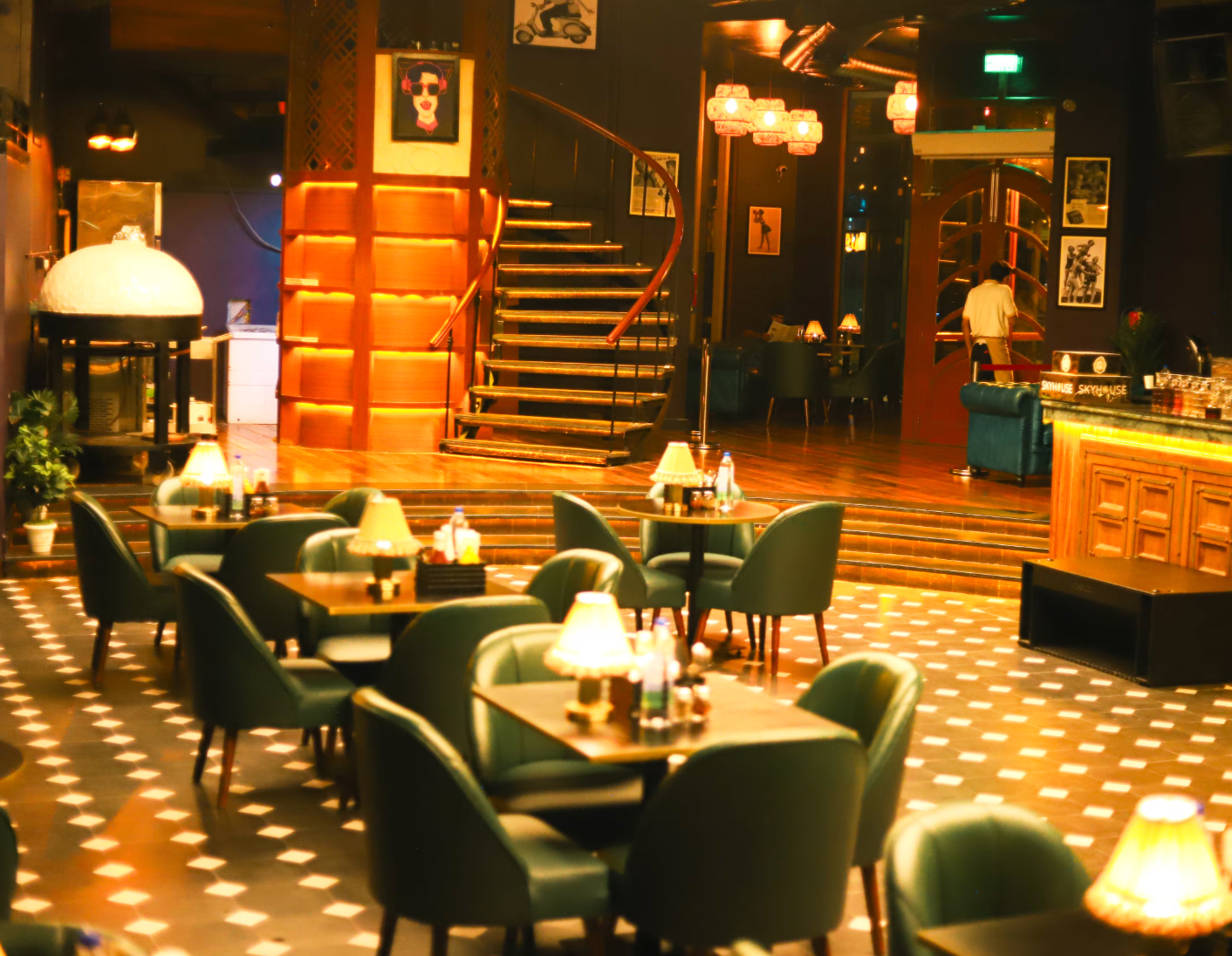

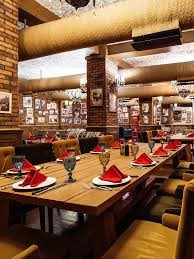
Let’s first understand what actually happened, beyond the press release. SALT, a brand born in Chennai over a decade ago, has launched its second outlet in the city at the Brigade World Trade Center. This isn’t a simple replication; it’s a strategic evolution. The new outlet represents 13 years of operational learnings packaged into a modern design, refined menu, and a service style that balances familiarity with contemporary flair.
salt 1
Why is this significant? Three reasons stand out:
Home Market Reinforcement: Instead of just chasing new cities, SALT is deepening roots where its brand story and loyal customer base began. Chef Balaji Balachander’s statement, “Chennai has always been family to us,” highlights an emotional brand equity that pure financial metrics can’t capture.
Format Evolution: The brand has consciously evolved. The new outlet features “fine-dining influences” with flexible seating, targeting both family gatherings and business dinners. This shows a keen understanding of day-parting and multi-occasion dining.
Location Intelligence: Choosing the World Trade Center is a textbook move for high-footfall, mixed-usage real estate. It guarantees weekday office crowds and weekend leisure diners, providing a natural hedge against demand fluctuations.
This expansion is part of a larger national plan, with a presence in Pune and Mumbai on the horizon. But the Chennai launch is the strategic heart of the story—a return to the core with an upgraded offering.
So, how does a single restaurant opening in Chennai affect a QSR owner in Gurugram or a cloud kitchen founder in Bangalore? Profoundly. This move reflects broader, unavoidable industry trends that are reshaping consumer expectations and competitive landscapes across India.
SALT’s positioning in this space—modern Indian cuisine, elevated ambience, accessible pricing—is where the battle for the urban Indian diner’s wallet is fiercest. Consumers today want a “special” experience without the formality and cost of fine dining. If your restaurant concept is stuck between budget and luxury, this segment demands your attention.
A 13-year-old brand did not just open “SALT 1.0” again. They evolved. Your menu, interior, service style, and even your marketing cannot remain static. The “what worked in 2019” model is obsolete. Diners seek novelty blended with trusted quality.
The pursuit of low rent can lead to a hidden, low-footfall location—a death knell for many restaurants. SALT’s choice highlights that visibility, accessibility, and target customer density are assets worth investing in. This applies equally to cloud kitchens choosing a delivery hub or a cafe selecting a neighborhood.
The narrative of “returning to family” is powerful. In an era of transactional food delivery, restaurants that build genuine community connection and story create loyal advocates, not just customers. This defensibility is crucial against aggregator platforms and new competitors.
Key Takeaway: This isn’t about copying SALT’s model. It’s about understanding the principles behind their strategy: premiumization, evolution, smart location, and deep branding. These are universal growth levers.
In our coaching sessions at RestaurantCoach.in, we translate industry trends into a clear roadmap. Here is your actionable playbook, inspired by this case study.
Action: Conduct a brutally honest audit of your restaurant’s physical space, menu, service flow, and digital presence. Ask: “Does this feel current, or is it stuck in the past?”
Next Step: Identify one key area for evolution. Is it a tired interior? A bloated menu? Outdated packaging? Plan a targeted refresh. You don’t need a full rebuild; often, a strategic tweak (lighting, music, signature dish presentation) can modernize the experience.
Action: Analyze your pricing and experience. Can you create a premiumized subset of your offering? For a QSR, this could be a “chef’s special” box meal with a gourmet side. For a cloud kitchen, it could be a “family feast” package with superior packaging.
Next Step: Develop one “elevated experience” offering that provides 20% higher value perception for 15% higher price. Test it for a month.
Action: If you’re planning expansion (or your first outlet), move beyond “good rent.” Analyze:
Daytime vs. Nighttime population
Complementary businesses (offices, cinemas, retail)
Direct and indirect competition density
Ease of access and parking/delivery bike parking
Next Step: Use tools like Google Maps footfall data (or simple observation) to count traffic in potential locations at different times. Choose density over discount.
Action: What is your restaurant’s authentic story? Your founder’s journey? Your ingredient sourcing? Your connection to the locality? Weave this into your social media, in-restaurant decor, and staff training.
Next Step: Create a “Our Story” section on your website and a 30-second spiel every server can share. Turn transactions into connections.
Action: Dream of multiple outlets? Build a model that is profitable, systematized, and replicable in your current outlet first.
Next Step: Document every process—recipes, inventory, training, marketing. Ensure your first unit is a solid, cash-positive prototype, not just a passion project. This is the foundational work we do with clients at RestaurantCoach.in before any expansion talk begins.
Having guided dozens of restaurants through growth phases, I see SALT’s move as a validation of core coaching principles we champion.
First, brand building is a marathon, not a sprint. SALT’s 13-year journey to this point is a reminder that sustainable brands are built on consistent operations and customer love, not viral moments. In our coaching, we often have to temper the desire for overnight fame with the discipline of daily excellence.
Second, data must meet intuition. The WTC location choice is data-driven (high footfall), but the menu retains “established favourites” like Pardha Mutton Biryani—that’s intuitive brand confidence. The biggest mistake we see is owners leaning entirely on one side. You need delivery app analytics and the gut feel for what your regulars will love.
The trend is clear: The future belongs to “phygital” brands—those with a compelling physical experience and a robust digital footprint. SALT’s new outlet is designed for ‘Instagrammable’ moments and likely supported by strong social media buzz. Your marketing plan must bridge this gap seamlessly.
Finally, expansion should be an expression of strength, not an act of desperation. Opening a new outlet to solve cash flow problems in the first is a recipe for disaster. Scale because your systems are bursting, not because your patience is.
SALT’s Chennai expansion is more than a real estate decision. It’s a case study in strategic brand evolution, deep market understanding, and calculated growth. The lessons are universal: evolve your format, invest in your brand story, choose locations wisely, and build a rock-solid foundation before scaling.
The Indian restaurant landscape is more competitive than ever, but also ripe with opportunity for those who strategize like a pro, not just cook like one.
Ready to build your own success story? You don’t have to decode these trends alone.
Our tailored restaurant coaching programs at RestaurantCoach.in are designed for Indian food entrepreneurs like you. We help you transform your vision into a profitable, systematic, and scalable business—from perfecting your first outlet to planning your strategic expansion.
Contact us today for a consultation, and let’s write your growth playbook together.
Q1: I run a small cloud kitchen. Do location and format evolution even apply to me?
A: Absolutely. Your “location” is your visibility on delivery apps and your kitchen’s accessibility for delivery partners. Your “format evolution” is your menu engineering, packaging innovation, and virtual brand creation. The principles remain the same.
Q2: Is the “casual premium” segment only for metro cities?
A: Not anymore. Aspirational dining is spreading rapidly to tier-2 and tier-3 cities. The willingness to pay for a better experience, even if priced moderately, is a nationwide trend.
Q3: How can I evolve my brand without alienating my existing loyal customers?
A: The key is inclusive evolution. Introduce new items while keeping classics. Refresh the decor but maintain the familiar warmth. Communicate changes as an “upgrade for our family of customers.” SALT kept its signature kebabs and biryani while updating the setting.
Q4: When is the right time to think about a second outlet?
A: In our coaching framework, the right time is when your first outlet runs profitably for 6-12 months without your day-to-day presence, thanks to strong systems and a capable team. Profitability with owner-dependence is not a scalable model.
The Indian culinary landscape is about to witness a seismic shift. When a chef of…
From Restaurant to Retail: Turning Your Signature Flavors Into a New Revenue Stream In today’s…
Dreaming of launching your own restaurant but worried about the massive capital required? You’re not…
If you’re running a restaurant, bar, or lounge in India’s competitive hospitality landscape, a major…

Founded in 2015 by seasoned restaurant professionals who understood the challenges faced by food entrepreneurs in India, Restaurant Coach began as a vision to democratize restaurant success.

Founded in 2015 by seasoned restaurant professionals who understood the challenges faced by food entrepreneurs in India, Restaurant Coach began as a vision to democratize restaurant success. After witnessing countless talented chefs and passionate food lovers struggle with business aspects of restaurant operations, our founders decided to bridge the gap between culinary passion and business acumen.