A tragedy recently struck a nightclub in Goa, claiming lives and revealing catastrophic safety failures. As restaurant coaches, this news hit close to home. It’s a stark, heartbreaking reminder that in our pursuit of profit and growth, the non-negotiable foundation of any food business is safety and compliance. This incident underscores a critical duality in India’s thriving food scene: immense opportunity walks hand-in-hand with significant operational risk.
burger 1
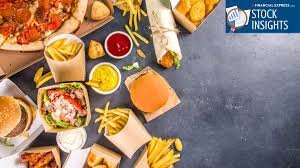
Concurrently, the data tells a story of explosive growth. India’s food service market is projected to soar from USD 114.40 billion in 2025 to USD 230.63 billion by 2032. This isn’t just about pizza and burgers; it’s a full-scale culinary revolution driven by cloud kitchens, experiential dining, and a nation with a growing appetite for eating out.
For the visionary restaurant owner, cafe operator, or food entrepreneur, this moment is pivotal. The market is expanding, but so is the scrutiny on how we build and run our businesses. Success will not simply go to those who serve great food, but to those who build resilient, safe, and strategically smart operations. This article will dissect the current landscape and provide a actionable blueprint to help you not just participate in this boom, but to thrive within it responsibly and profitably.
News Analysis: A Market in Motion—Growth and Growing Pains
The original financial analysis highlighted stocks poised to benefit from India’s “eating out” explosion. This narrative is backed by powerful macroeconomic currents. The primary engine is rising disposable income, which is transforming dining from a luxury into a regular part of urban and semi-urban life. This is coupled with rapid urbanization and the normalization of online food delivery, a habit entrenched during the pandemic and now a dominant service model.
The market’s structure is evolving:
-
Full-service restaurants (FSR) still command the largest share (approximately 59%), leveraging their strength in social dining experiences and higher beverage revenue.
-
The Quick Service Restaurant (QSR) segment is growing rapidly, catering to the demand for speed and convenience.
-
Most notably, independent restaurants make up over 72% of the market. This demonstrates that local flavor, adaptability, and unique concepts have a powerful place alongside national chains.
However, the tragic Goa fire exposes the dark underbelly of breakneck growth: lax regulation enforcement and compromised safety. Reports indicate the venue was operating without proper permits, had blocked exits, and used highly flammable materials. This isn’t an isolated incident but a symptom of a systemic issue where safety is sometimes sacrificed, with devastating human and business costs.
For investors, this means evaluating companies not just on growth metrics, but on their operational integrity. For you, the business owner, it means your commitment to safety is now a competitive advantage and a core pillar of sustainability.
Direct Impact: What This Means for Your Food Business
This dual reality of opportunity and risk translates into tangible effects for every Indian food business owner.
For Cloud Kitchen & QSR Operators: You are in the fastest-growing lanes. The cloud kitchen market itself is expected to grow at a CAGR of 16.7% to 2030. Your lower overhead costs can translate to net margins of 15-30%, significantly higher than many dine-in models. However, your dependence on delivery platforms and the need for impeccable packaging and logistics are your unique challenges. The safety lesson here extends to fire suppression in confined kitchen spaces and robust electrical load management for all your equipment.
For Cafe Owners & Casual Dining Restaurants: Your strength is the experience. With dine-in culture still strong, you command customer loyalty through ambiance and service. Your average net profit margins typically range from 5% to 15%. The key is increasing your average ticket size through smart menu engineering and capturing delivery demand without compromising the dine-in experience. The Goa tragedy directly impacts you: customers will increasingly favor establishments that are visibly compliant and safe, making your FSSAI license and fire safety certificate marketing tools, not just legal checkboxes.
For Aspiring Food Entrepreneurs: The barrier to entry is lower than ever, especially with cloud kitchen models. However, the path to profitability requires sharp focus. A well-run independent restaurant can see break-even in 18-36 months, while a structured franchise or cloud kitchen model can achieve it in 12-18 months. Your first decision—concept, location, and model—is more critical than ever.
Your Action Plan: 7 Steps to Secure Profitable Growth
Navigating this landscape requires a balanced strategy. Here is your actionable roadmap:
-
Conduct a Safety & Compliance Audit This Week. This is non-negotiable. Go beyond the FSSAI license. Check your fire extinguishers, kitchen hood cleaning records, electrical load, and emergency exits. Ensure all permits are displayed. Document this. As we advise our clients at RestaurantCoach.in, treat safety compliance as your most important daily special.
-
Re-evaluate Your Business Model for Hybrid Resilience. Don’t be just dine-in or just delivery. A full-service restaurant must have an optimized, delivery-friendly menu segment. A cloud kitchen should explore branded pick-up points or pop-up dining events. Diversification mitigates risk.
-
Master Your Unit Economics. Understand your numbers cold. Use this simplified framework to track your essentials:
| Metric | Ideal Benchmark | Why It Matters |
|---|---|---|
| Food Cost Percentage | 28% – 35% of food sales | The biggest controllable cost. Directly impacts gross profit. |
| Labour Cost Percentage | 15% – 25% of total revenue | Balance service quality with efficiency. Cross-train staff. |
| Prime Cost (Food + Labour) | < 60% of total revenue | The key indicator of fundamental operational health. |
| Average Order Value (AOV) | Track weekly for growth | Increase via combos, strategic upselling, and premium offerings. |
-
Engineer Your Menu for Profit. Analyze the contribution margin of every item. Promote high-margin stars. Don’t just list dishes; design a profit journey. Bundle items (a high-margin dessert with a popular main). This is a core module in our menu profitability workshops at RestaurantCoach.in.
-
Form Strategic Platform Partnerships, Don’t Just Depend on Them. Negotiate with delivery apps for better terms. Use their data to understand your customers, but build direct ordering channels through your website and social media to save on commission and own customer relationships.
-
Build a Brand, Not Just a Kitchen. In a market where independents thrive, your story is your weapon. Are you the authentic local champion? The innovative fusion pioneer? Communicate this consistently across hygiene practices, packaging, and customer service.
-
Invest in Technology for Efficiency. A good POS system is for more than transactions. It’s for inventory tracking, sales analysis, and managing orders from multiple channels seamlessly. The right tech reduces waste, saves time, and provides the data you need to make smart decisions.
The Coach’s Perspective: Building for the Long Term
In my years of coaching, I’ve seen a defining shift. The most successful restaurateurs today are not just passionate chefs or hospitable hosts; they are systematic operators and empathetic leaders.
The recent tragedy reinforces that the highest ROI investment you can make is in your people and your premises. Comprehensive staff training on emergency procedures is as vital as training on customer service. Your team should know how to use a fire extinguisher as instinctively as they know the daily specials. This protects lives, your assets, and your life’s work.
Furthermore, the financial data shows that scale (multiple units) often leads to better profitability. However, scale amplifies everything—including risk. The foundation for ethical, sustainable scaling is a rock-solid, safe, and systematized first unit. You must be able to document and replicate not just your recipes, but your safety protocols, vendor management, and quality checks.
Finally, lead with empathy. The Goa victims were staff and families. Creating a culture where safety concerns are heard, where staff are valued, and where well-being is paramount isn’t just ethical—it’s excellent business. It reduces turnover, builds loyalty, and creates the kind of positive environment that customers unconsciously feel and appreciate.
Conclusion and Key Takeaways
India’s eating-out explosion is a generational opportunity for restaurant owners. The market is vast and growing, with room for both chains and independents to flourish. However, true, lasting success will be defined by a dual commitment: to aggressive commercial savvy and uncompromising operational integrity.
Remember:
-
Safety is your foundation. Compliance is the baseline for responsible operation and sustainable growth.
-
Understand your numbers. Profitability doesn’t happen by accident; it’s engineered through diligent control of food, labour, and wastage costs.
-
Adapt to the hybrid model. Blend dine-in experience with delivery efficiency to capture the full market.
-
Build a brand with purpose. In a crowded market, your unique story and consistent execution are what will make customers choose you, again and again.
Navigating these parallel priorities—growth and safety, passion and process—is the complex challenge of the modern restaurateur.
FAQs: Restaurant Business in India
What is the average profit margin for a restaurant in India?
Net profit margins typically range from 5% to 15% for full-service dine-in restaurants. Cloud kitchens or delivery-focused models can achieve higher margins, often between 15% and 30%, due to significantly lower overhead costs.
Is a cloud kitchen more profitable than a traditional restaurant?
It can be, due to lower startup and operational costs (no dine-in space, lower rent and front-of-house staff). However, profitability depends heavily on managing delivery platform commissions, marketing effectively online, and achieving high order volume to offset lower average tickets.
What are the most critical licenses needed to start a restaurant in India?
The FSSAI License is mandatory. You also need a Fire Safety NOC from the local fire department, a Health/Trade License from the municipal corporation, and GST registration. For premises, compliance with local building codes and signages is essential.
How long does it take for a restaurant to become profitable?
Typically, 18 to 36 months for a standalone restaurant to break even and start generating consistent profit. Well-structured franchise models or cloud kitchens often have a faster path to profitability, potentially within 12 to 18 months.
SEO and Content Details
-
Primary Keyword:
restaurant business profit India -
Secondary Keywords:
cloud kitchen model,restaurant profit margin,food service market growth,restaurant safety compliance,FSSAI license -
Internal Link Suggestions:
-
“Menu Engineering 101: How to Design a Profitable Restaurant Menu”
-
“The Complete Checklist: Legal Licenses and Permits for Your New Restaurant in India”
-
“Cloud Kitchen vs. Dine-In: A Cost-Breakdown and Profitability Analysis”
-
-
Featured Image Description: A split-image featuring a vibrant, busy modern Indian restaurant dining area on one side, and a clean, efficient cloud kitchen with a chef packing delivery orders on the other. Overlaid graphics show upward growth arrows and key icons for profit, safety, and taste.
A tragedy recently struck a nightclub in Goa, claiming lives and revealing catastrophic safety failures. As restaurant coaches, this news hit close to home. It’s a stark, heartbreaking reminder that in our pursuit of profit and growth, the non-negotiable foundation of any food business is safety and compliance. This incident underscores a critical duality in India’s thriving food scene: immense opportunity walks hand-in-hand with significant operational risk.
Concurrently, the data tells a story of explosive growth. India’s food service market is projected to soar from USD 114.40 billion in 2025 to USD 230.63 billion by 2032. This isn’t just about pizza and burgers; it’s a full-scale culinary revolution driven by cloud kitchens, experiential dining, and a nation with a growing appetite for eating out.
For the visionary restaurant owner, cafe operator, or food entrepreneur, this moment is pivotal. The market is expanding, but so is the scrutiny on how we build and run our businesses. Success will not simply go to those who serve great food, but to those who build resilient, safe, and strategically smart operations. This article will dissect the current landscape and provide a actionable blueprint to help you not just participate in this boom, but to thrive within it responsibly and profitably.
News Analysis: A Market in Motion—Growth and Growing Pains
The original financial analysis highlighted stocks poised to benefit from India’s “eating out” explosion. This narrative is backed by powerful macroeconomic currents. The primary engine is rising disposable income, which is transforming dining from a luxury into a regular part of urban and semi-urban life. This is coupled with rapid urbanization and the normalization of online food delivery, a habit entrenched during the pandemic and now a dominant service model.
The market’s structure is evolving:
-
Full-service restaurants (FSR) still command the largest share (approximately 59%), leveraging their strength in social dining experiences and higher beverage revenue.
-
The Quick Service Restaurant (QSR) segment is growing rapidly, catering to the demand for speed and convenience.
-
Most notably, independent restaurants make up over 72% of the market. This demonstrates that local flavor, adaptability, and unique concepts have a powerful place alongside national chains.
However, the tragic Goa fire exposes the dark underbelly of breakneck growth: lax regulation enforcement and compromised safety. Reports indicate the venue was operating without proper permits, had blocked exits, and used highly flammable materials. This isn’t an isolated incident but a symptom of a systemic issue where safety is sometimes sacrificed, with devastating human and business costs.
For investors, this means evaluating companies not just on growth metrics, but on their operational integrity. For you, the business owner, it means your commitment to safety is now a competitive advantage and a core pillar of sustainability.
Direct Impact: What This Means for Your Food Business
This dual reality of opportunity and risk translates into tangible effects for every Indian food business owner.
For Cloud Kitchen & QSR Operators: You are in the fastest-growing lanes. The cloud kitchen market itself is expected to grow at a CAGR of 16.7% to 2030. Your lower overhead costs can translate to net margins of 15-30%, significantly higher than many dine-in models. However, your dependence on delivery platforms and the need for impeccable packaging and logistics are your unique challenges. The safety lesson here extends to fire suppression in confined kitchen spaces and robust electrical load management for all your equipment.
For Cafe Owners & Casual Dining Restaurants: Your strength is the experience. With dine-in culture still strong, you command customer loyalty through ambiance and service. Your average net profit margins typically range from 5% to 15%. The key is increasing your average ticket size through smart menu engineering and capturing delivery demand without compromising the dine-in experience. The Goa tragedy directly impacts you: customers will increasingly favor establishments that are visibly compliant and safe, making your FSSAI license and fire safety certificate marketing tools, not just legal checkboxes.
For Aspiring Food Entrepreneurs: The barrier to entry is lower than ever, especially with cloud kitchen models. However, the path to profitability requires sharp focus. A well-run independent restaurant can see break-even in 18-36 months, while a structured franchise or cloud kitchen model can achieve it in 12-18 months. Your first decision—concept, location, and model—is more critical than ever.
Your Action Plan: 7 Steps to Secure Profitable Growth
Navigating this landscape requires a balanced strategy. Here is your actionable roadmap:
-
Conduct a Safety & Compliance Audit This Week. This is non-negotiable. Go beyond the FSSAI license. Check your fire extinguishers, kitchen hood cleaning records, electrical load, and emergency exits. Ensure all permits are displayed. Document this. As we advise our clients at RestaurantCoach.in, treat safety compliance as your most important daily special.
-
Re-evaluate Your Business Model for Hybrid Resilience. Don’t be just dine-in or just delivery. A full-service restaurant must have an optimized, delivery-friendly menu segment. A cloud kitchen should explore branded pick-up points or pop-up dining events. Diversification mitigates risk.
-
Master Your Unit Economics. Understand your numbers cold. Use this simplified framework to track your essentials:
| Metric | Ideal Benchmark | Why It Matters |
|---|---|---|
| Food Cost Percentage | 28% – 35% of food sales | The biggest controllable cost. Directly impacts gross profit. |
| Labour Cost Percentage | 15% – 25% of total revenue | Balance service quality with efficiency. Cross-train staff. |
| Prime Cost (Food + Labour) | < 60% of total revenue | The key indicator of fundamental operational health. |
| Average Order Value (AOV) | Track weekly for growth | Increase via combos, strategic upselling, and premium offerings. |
-
Engineer Your Menu for Profit. Analyze the contribution margin of every item. Promote high-margin stars. Don’t just list dishes; design a profit journey. Bundle items (a high-margin dessert with a popular main). This is a core module in our menu profitability workshops at RestaurantCoach.in.
-
Form Strategic Platform Partnerships, Don’t Just Depend on Them. Negotiate with delivery apps for better terms. Use their data to understand your customers, but build direct ordering channels through your website and social media to save on commission and own customer relationships.
-
Build a Brand, Not Just a Kitchen. In a market where independents thrive, your story is your weapon. Are you the authentic local champion? The innovative fusion pioneer? Communicate this consistently across hygiene practices, packaging, and customer service.
-
Invest in Technology for Efficiency. A good POS system is for more than transactions. It’s for inventory tracking, sales analysis, and managing orders from multiple channels seamlessly. The right tech reduces waste, saves time, and provides the data you need to make smart decisions.
The Coach’s Perspective: Building for the Long Term
In my years of coaching, I’ve seen a defining shift. The most successful restaurateurs today are not just passionate chefs or hospitable hosts; they are systematic operators and empathetic leaders.
The recent tragedy reinforces that the highest ROI investment you can make is in your people and your premises. Comprehensive staff training on emergency procedures is as vital as training on customer service. Your team should know how to use a fire extinguisher as instinctively as they know the daily specials. This protects lives, your assets, and your life’s work.
Furthermore, the financial data shows that scale (multiple units) often leads to better profitability. However, scale amplifies everything—including risk. The foundation for ethical, sustainable scaling is a rock-solid, safe, and systematized first unit. You must be able to document and replicate not just your recipes, but your safety protocols, vendor management, and quality checks.
Finally, lead with empathy. The Goa victims were staff and families. Creating a culture where safety concerns are heard, where staff are valued, and where well-being is paramount isn’t just ethical—it’s excellent business. It reduces turnover, builds loyalty, and creates the kind of positive environment that customers unconsciously feel and appreciate.
Conclusion and Key Takeaways
India’s eating-out explosion is a generational opportunity for restaurant owners. The market is vast and growing, with room for both chains and independents to flourish. However, true, lasting success will be defined by a dual commitment: to aggressive commercial savvy and uncompromising operational integrity.
Remember:
-
Safety is your foundation. Compliance is the baseline for responsible operation and sustainable growth.
-
Understand your numbers. Profitability doesn’t happen by accident; it’s engineered through diligent control of food, labour, and wastage costs.
-
Adapt to the hybrid model. Blend dine-in experience with delivery efficiency to capture the full market.
-
Build a brand with purpose. In a crowded market, your unique story and consistent execution are what will make customers choose you, again and again.
Navigating these parallel priorities—growth and safety, passion and process—is the complex challenge of the modern restaurateur.
FAQs: Restaurant Business in India
What is the average profit margin for a restaurant in India?
Net profit margins typically range from 5% to 15% for full-service dine-in restaurants. Cloud kitchens or delivery-focused models can achieve higher margins, often between 15% and 30%, due to significantly lower overhead costs.
Is a cloud kitchen more profitable than a traditional restaurant?
It can be, due to lower startup and operational costs (no dine-in space, lower rent and front-of-house staff). However, profitability depends heavily on managing delivery platform commissions, marketing effectively online, and achieving high order volume to offset lower average tickets.
What are the most critical licenses needed to start a restaurant in India?
The FSSAI License is mandatory. You also need a Fire Safety NOC from the local fire department, a Health/Trade License from the municipal corporation, and GST registration. For premises, compliance with local building codes and signages is essential.
How long does it take for a restaurant to become profitable?
Typically, 18 to 36 months for a standalone restaurant to break even and start generating consistent profit. Well-structured franchise models or cloud kitchens often have a faster path to profitability, potentially within 12 to 18 months.
SEO and Content Details
-
Primary Keyword:
restaurant business profit India -
Secondary Keywords:
cloud kitchen model,restaurant profit margin,food service market growth,restaurant safety compliance,FSSAI license -
Internal Link Suggestions:
-
“Menu Engineering 101: How to Design a Profitable Restaurant Menu”
-
“The Complete Checklist: Legal Licenses and Permits for Your New Restaurant in India”
-
“Cloud Kitchen vs. Dine-In: A Cost-Breakdown and Profitability Analysis”
-
-
Featured Image Description: A split-image featuring a vibrant, busy modern Indian restaurant dining area on one side, and a clean, efficient cloud kitchen with a chef packing delivery orders on the other. Overlaid graphics show upward growth arrows and key icons for profit, safety, and taste.
A tragedy recently struck a nightclub in Goa, claiming lives and revealing catastrophic safety failures. As restaurant coaches, this news hit close to home. It’s a stark, heartbreaking reminder that in our pursuit of profit and growth, the non-negotiable foundation of any food business is safety and compliance. This incident underscores a critical duality in India’s thriving food scene: immense opportunity walks hand-in-hand with significant operational risk.
Concurrently, the data tells a story of explosive growth. India’s food service market is projected to soar from USD 114.40 billion in 2025 to USD 230.63 billion by 2032. This isn’t just about pizza and burgers; it’s a full-scale culinary revolution driven by cloud kitchens, experiential dining, and a nation with a growing appetite for eating out.
For the visionary restaurant owner, cafe operator, or food entrepreneur, this moment is pivotal. The market is expanding, but so is the scrutiny on how we build and run our businesses. Success will not simply go to those who serve great food, but to those who build resilient, safe, and strategically smart operations. This article will dissect the current landscape and provide a actionable blueprint to help you not just participate in this boom, but to thrive within it responsibly and profitably.
News Analysis: A Market in Motion—Growth and Growing Pains
The original financial analysis highlighted stocks poised to benefit from India’s “eating out” explosion. This narrative is backed by powerful macroeconomic currents. The primary engine is rising disposable income, which is transforming dining from a luxury into a regular part of urban and semi-urban life. This is coupled with rapid urbanization and the normalization of online food delivery, a habit entrenched during the pandemic and now a dominant service model.
The market’s structure is evolving:
-
Full-service restaurants (FSR) still command the largest share (approximately 59%), leveraging their strength in social dining experiences and higher beverage revenue.
-
The Quick Service Restaurant (QSR) segment is growing rapidly, catering to the demand for speed and convenience.
-
Most notably, independent restaurants make up over 72% of the market. This demonstrates that local flavor, adaptability, and unique concepts have a powerful place alongside national chains.
However, the tragic Goa fire exposes the dark underbelly of breakneck growth: lax regulation enforcement and compromised safety. Reports indicate the venue was operating without proper permits, had blocked exits, and used highly flammable materials. This isn’t an isolated incident but a symptom of a systemic issue where safety is sometimes sacrificed, with devastating human and business costs.
For investors, this means evaluating companies not just on growth metrics, but on their operational integrity. For you, the business owner, it means your commitment to safety is now a competitive advantage and a core pillar of sustainability.
Direct Impact: What This Means for Your Food Business
This dual reality of opportunity and risk translates into tangible effects for every Indian food business owner.
For Cloud Kitchen & QSR Operators: You are in the fastest-growing lanes. The cloud kitchen market itself is expected to grow at a CAGR of 16.7% to 2030. Your lower overhead costs can translate to net margins of 15-30%, significantly higher than many dine-in models. However, your dependence on delivery platforms and the need for impeccable packaging and logistics are your unique challenges. The safety lesson here extends to fire suppression in confined kitchen spaces and robust electrical load management for all your equipment.
For Cafe Owners & Casual Dining Restaurants: Your strength is the experience. With dine-in culture still strong, you command customer loyalty through ambiance and service. Your average net profit margins typically range from 5% to 15%. The key is increasing your average ticket size through smart menu engineering and capturing delivery demand without compromising the dine-in experience. The Goa tragedy directly impacts you: customers will increasingly favor establishments that are visibly compliant and safe, making your FSSAI license and fire safety certificate marketing tools, not just legal checkboxes.
For Aspiring Food Entrepreneurs: The barrier to entry is lower than ever, especially with cloud kitchen models. However, the path to profitability requires sharp focus. A well-run independent restaurant can see break-even in 18-36 months, while a structured franchise or cloud kitchen model can achieve it in 12-18 months. Your first decision—concept, location, and model—is more critical than ever.
Your Action Plan: 7 Steps to Secure Profitable Growth
Navigating this landscape requires a balanced strategy. Here is your actionable roadmap:
-
Conduct a Safety & Compliance Audit This Week. This is non-negotiable. Go beyond the FSSAI license. Check your fire extinguishers, kitchen hood cleaning records, electrical load, and emergency exits. Ensure all permits are displayed. Document this. As we advise our clients at RestaurantCoach.in, treat safety compliance as your most important daily special.
-
Re-evaluate Your Business Model for Hybrid Resilience. Don’t be just dine-in or just delivery. A full-service restaurant must have an optimized, delivery-friendly menu segment. A cloud kitchen should explore branded pick-up points or pop-up dining events. Diversification mitigates risk.
-
Master Your Unit Economics. Understand your numbers cold. Use this simplified framework to track your essentials:
| Metric | Ideal Benchmark | Why It Matters |
|---|---|---|
| Food Cost Percentage | 28% – 35% of food sales | The biggest controllable cost. Directly impacts gross profit. |
| Labour Cost Percentage | 15% – 25% of total revenue | Balance service quality with efficiency. Cross-train staff. |
| Prime Cost (Food + Labour) | < 60% of total revenue | The key indicator of fundamental operational health. |
| Average Order Value (AOV) | Track weekly for growth | Increase via combos, strategic upselling, and premium offerings. |
-
Engineer Your Menu for Profit. Analyze the contribution margin of every item. Promote high-margin stars. Don’t just list dishes; design a profit journey. Bundle items (a high-margin dessert with a popular main). This is a core module in our menu profitability workshops at RestaurantCoach.in.
-
Form Strategic Platform Partnerships, Don’t Just Depend on Them. Negotiate with delivery apps for better terms. Use their data to understand your customers, but build direct ordering channels through your website and social media to save on commission and own customer relationships.
-
Build a Brand, Not Just a Kitchen. In a market where independents thrive, your story is your weapon. Are you the authentic local champion? The innovative fusion pioneer? Communicate this consistently across hygiene practices, packaging, and customer service.
-
Invest in Technology for Efficiency. A good POS system is for more than transactions. It’s for inventory tracking, sales analysis, and managing orders from multiple channels seamlessly. The right tech reduces waste, saves time, and provides the data you need to make smart decisions.
The Coach’s Perspective: Building for the Long Term
In my years of coaching, I’ve seen a defining shift. The most successful restaurateurs today are not just passionate chefs or hospitable hosts; they are systematic operators and empathetic leaders.
The recent tragedy reinforces that the highest ROI investment you can make is in your people and your premises. Comprehensive staff training on emergency procedures is as vital as training on customer service. Your team should know how to use a fire extinguisher as instinctively as they know the daily specials. This protects lives, your assets, and your life’s work.
Furthermore, the financial data shows that scale (multiple units) often leads to better profitability. However, scale amplifies everything—including risk. The foundation for ethical, sustainable scaling is a rock-solid, safe, and systematized first unit. You must be able to document and replicate not just your recipes, but your safety protocols, vendor management, and quality checks.
Finally, lead with empathy. The Goa victims were staff and families. Creating a culture where safety concerns are heard, where staff are valued, and where well-being is paramount isn’t just ethical—it’s excellent business. It reduces turnover, builds loyalty, and creates the kind of positive environment that customers unconsciously feel and appreciate.
Conclusion and Key Takeaways
India’s eating-out explosion is a generational opportunity for restaurant owners. The market is vast and growing, with room for both chains and independents to flourish. However, true, lasting success will be defined by a dual commitment: to aggressive commercial savvy and uncompromising operational integrity.
Remember:
-
Safety is your foundation. Compliance is the baseline for responsible operation and sustainable growth.
-
Understand your numbers. Profitability doesn’t happen by accident; it’s engineered through diligent control of food, labour, and wastage costs.
-
Adapt to the hybrid model. Blend dine-in experience with delivery efficiency to capture the full market.
-
Build a brand with purpose. In a crowded market, your unique story and consistent execution are what will make customers choose you, again and again.
Navigating these parallel priorities—growth and safety, passion and process—is the complex challenge of the modern restaurateur.
FAQs: Restaurant Business in India
What is the average profit margin for a restaurant in India?
Net profit margins typically range from 5% to 15% for full-service dine-in restaurants. Cloud kitchens or delivery-focused models can achieve higher margins, often between 15% and 30%, due to significantly lower overhead costs.
Is a cloud kitchen more profitable than a traditional restaurant?
It can be, due to lower startup and operational costs (no dine-in space, lower rent and front-of-house staff). However, profitability depends heavily on managing delivery platform commissions, marketing effectively online, and achieving high order volume to offset lower average tickets.
What are the most critical licenses needed to start a restaurant in India?
The FSSAI License is mandatory. You also need a Fire Safety NOC from the local fire department, a Health/Trade License from the municipal corporation, and GST registration. For premises, compliance with local building codes and signages is essential.
How long does it take for a restaurant to become profitable?
Typically, 18 to 36 months for a standalone restaurant to break even and start generating consistent profit. Well-structured franchise models or cloud kitchens often have a faster path to profitability, potentially within 12 to 18 months.
SEO and Content Details
-
Primary Keyword:
restaurant business profit India -
Secondary Keywords:
cloud kitchen model,restaurant profit margin,food service market growth,restaurant safety compliance,FSSAI license -
Internal Link Suggestions:
-
“Menu Engineering 101: How to Design a Profitable Restaurant Menu”
-
“The Complete Checklist: Legal Licenses and Permits for Your New Restaurant in India”
-
“Cloud Kitchen vs. Dine-In: A Cost-Breakdown and Profitability Analysis”
-
-
Featured Image Description: A split-image featuring a vibrant, busy modern Indian restaurant dining area on one side, and a clean, efficient cloud kitchen with a chef packing delivery orders on the other. Overlaid graphics show upward growth arrows and key icons for profit, safety, and taste.
A tragedy recently struck a nightclub in Goa, claiming lives and revealing catastrophic safety failures. As restaurant coaches, this news hit close to home. It’s a stark, heartbreaking reminder that in our pursuit of profit and growth, the non-negotiable foundation of any food business is safety and compliance. This incident underscores a critical duality in India’s thriving food scene: immense opportunity walks hand-in-hand with significant operational risk.
Concurrently, the data tells a story of explosive growth. India’s food service market is projected to soar from USD 114.40 billion in 2025 to USD 230.63 billion by 2032. This isn’t just about pizza and burgers; it’s a full-scale culinary revolution driven by cloud kitchens, experiential dining, and a nation with a growing appetite for eating out.
For the visionary restaurant owner, cafe operator, or food entrepreneur, this moment is pivotal. The market is expanding, but so is the scrutiny on how we build and run our businesses. Success will not simply go to those who serve great food, but to those who build resilient, safe, and strategically smart operations. This article will dissect the current landscape and provide a actionable blueprint to help you not just participate in this boom, but to thrive within it responsibly and profitably.
News Analysis: A Market in Motion—Growth and Growing Pains
The original financial analysis highlighted stocks poised to benefit from India’s “eating out” explosion. This narrative is backed by powerful macroeconomic currents. The primary engine is rising disposable income, which is transforming dining from a luxury into a regular part of urban and semi-urban life. This is coupled with rapid urbanization and the normalization of online food delivery, a habit entrenched during the pandemic and now a dominant service model.
The market’s structure is evolving:
-
Full-service restaurants (FSR) still command the largest share (approximately 59%), leveraging their strength in social dining experiences and higher beverage revenue.
-
The Quick Service Restaurant (QSR) segment is growing rapidly, catering to the demand for speed and convenience.
-
Most notably, independent restaurants make up over 72% of the market. This demonstrates that local flavor, adaptability, and unique concepts have a powerful place alongside national chains.
However, the tragic Goa fire exposes the dark underbelly of breakneck growth: lax regulation enforcement and compromised safety. Reports indicate the venue was operating without proper permits, had blocked exits, and used highly flammable materials. This isn’t an isolated incident but a symptom of a systemic issue where safety is sometimes sacrificed, with devastating human and business costs.
For investors, this means evaluating companies not just on growth metrics, but on their operational integrity. For you, the business owner, it means your commitment to safety is now a competitive advantage and a core pillar of sustainability.
Direct Impact: What This Means for Your Food Business
This dual reality of opportunity and risk translates into tangible effects for every Indian food business owner.
For Cloud Kitchen & QSR Operators: You are in the fastest-growing lanes. The cloud kitchen market itself is expected to grow at a CAGR of 16.7% to 2030. Your lower overhead costs can translate to net margins of 15-30%, significantly higher than many dine-in models. However, your dependence on delivery platforms and the need for impeccable packaging and logistics are your unique challenges. The safety lesson here extends to fire suppression in confined kitchen spaces and robust electrical load management for all your equipment.
For Cafe Owners & Casual Dining Restaurants: Your strength is the experience. With dine-in culture still strong, you command customer loyalty through ambiance and service. Your average net profit margins typically range from 5% to 15%. The key is increasing your average ticket size through smart menu engineering and capturing delivery demand without compromising the dine-in experience. The Goa tragedy directly impacts you: customers will increasingly favor establishments that are visibly compliant and safe, making your FSSAI license and fire safety certificate marketing tools, not just legal checkboxes.
For Aspiring Food Entrepreneurs: The barrier to entry is lower than ever, especially with cloud kitchen models. However, the path to profitability requires sharp focus. A well-run independent restaurant can see break-even in 18-36 months, while a structured franchise or cloud kitchen model can achieve it in 12-18 months. Your first decision—concept, location, and model—is more critical than ever.
Your Action Plan: 7 Steps to Secure Profitable Growth
Navigating this landscape requires a balanced strategy. Here is your actionable roadmap:
-
Conduct a Safety & Compliance Audit This Week. This is non-negotiable. Go beyond the FSSAI license. Check your fire extinguishers, kitchen hood cleaning records, electrical load, and emergency exits. Ensure all permits are displayed. Document this. As we advise our clients at RestaurantCoach.in, treat safety compliance as your most important daily special.
-
Re-evaluate Your Business Model for Hybrid Resilience. Don’t be just dine-in or just delivery. A full-service restaurant must have an optimized, delivery-friendly menu segment. A cloud kitchen should explore branded pick-up points or pop-up dining events. Diversification mitigates risk.
-
Master Your Unit Economics. Understand your numbers cold. Use this simplified framework to track your essentials:
| Metric | Ideal Benchmark | Why It Matters |
|---|---|---|
| Food Cost Percentage | 28% – 35% of food sales | The biggest controllable cost. Directly impacts gross profit. |
| Labour Cost Percentage | 15% – 25% of total revenue | Balance service quality with efficiency. Cross-train staff. |
| Prime Cost (Food + Labour) | < 60% of total revenue | The key indicator of fundamental operational health. |
| Average Order Value (AOV) | Track weekly for growth | Increase via combos, strategic upselling, and premium offerings. |
-
Engineer Your Menu for Profit. Analyze the contribution margin of every item. Promote high-margin stars. Don’t just list dishes; design a profit journey. Bundle items (a high-margin dessert with a popular main). This is a core module in our menu profitability workshops at RestaurantCoach.in.
-
Form Strategic Platform Partnerships, Don’t Just Depend on Them. Negotiate with delivery apps for better terms. Use their data to understand your customers, but build direct ordering channels through your website and social media to save on commission and own customer relationships.
-
Build a Brand, Not Just a Kitchen. In a market where independents thrive, your story is your weapon. Are you the authentic local champion? The innovative fusion pioneer? Communicate this consistently across hygiene practices, packaging, and customer service.
-
Invest in Technology for Efficiency. A good POS system is for more than transactions. It’s for inventory tracking, sales analysis, and managing orders from multiple channels seamlessly. The right tech reduces waste, saves time, and provides the data you need to make smart decisions.
Related Posts
Kartik Aaryan at Kwality: A Marketing Masterclass for Indian Restaurants
kartik at kwality The sight of a Bollywood superstar enjoying a meal at a local…
Redefining Restaurant Scale in 2026
Redefining Restaurant Scale in 2026: Beyond Outlet Count If you believe scaling your restaurant business…
The Quiet Power of Chef Manish Mehrotra’s Nisaba
The Quiet Power of Chef Manish Mehrotra’s Nisaba: A Lesson for Indian Restaurants If you’re…
Revival Restaurant’s Comeback
A Decade-Later Comeback: What Revival Restaurant’s Return Really Means The story of Revival Restaurant is…