Demos
Demos  Colors
  Docs
Docs  Support
Home 15
Newly Added




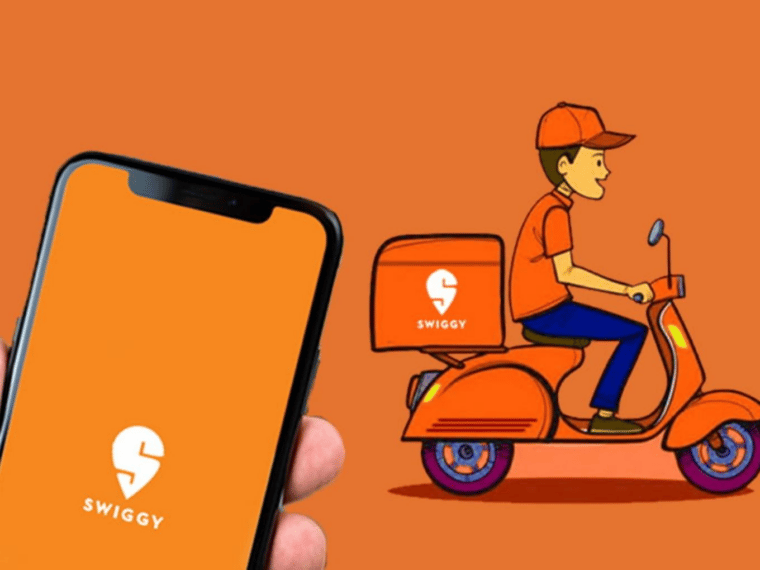
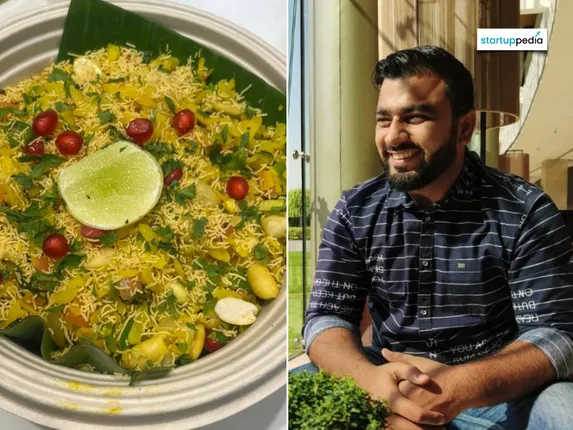
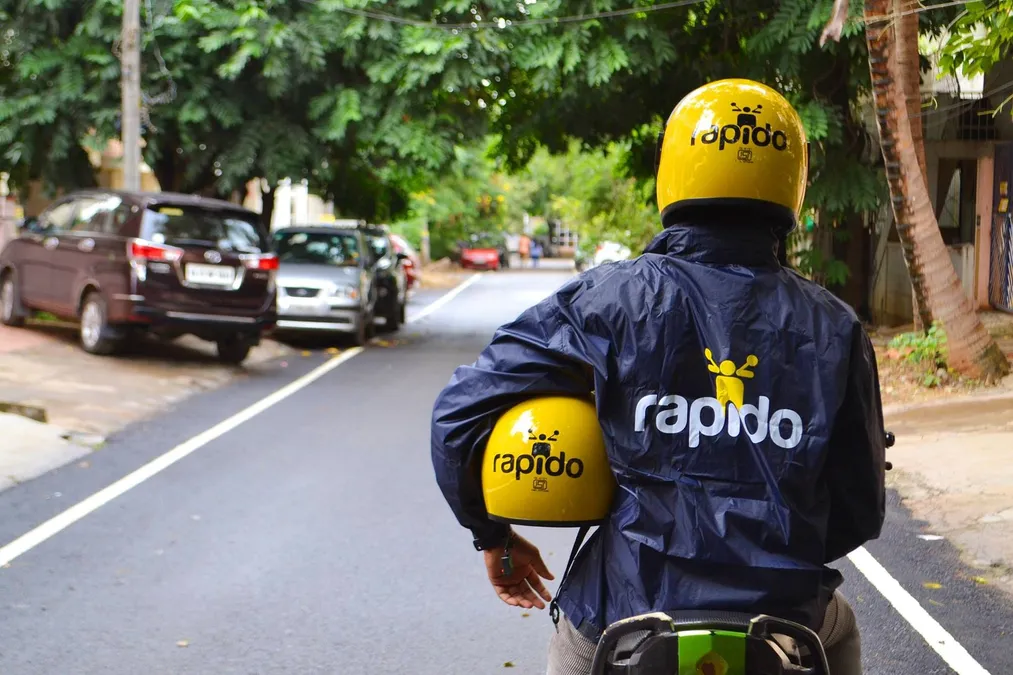
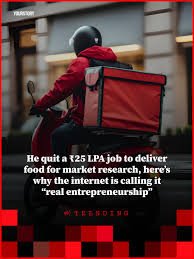
In a story that’s captured India’s imagination, a Bengaluru professional made a staggering career pivot. He left a secure ₹25 LPA corporate job to work as a Swiggy/Rapido delivery partner. To his family and friends, it seemed like a reckless move, especially with a wedding planned and financial commitments looming.
man job 1
But his goal was anything but reckless. He lived near a university and wanted to launch a cloud kitchen. Instead of guessing what would sell, he embarked on the ultimate form of market research. For weeks, he delivered food, observing exactly what people in his locality ordered, what they paid for, and what time they craved it. From this ground-level data, he identified 12 high-potential menu items and built a business model predicting profitability in just 3-4 months.
For Indian restaurant owners, café proprietors, and food entrepreneurs, this isn’t just a viral tale—it’s a critical case study. It highlights the growing gap between assumptions made in the back office and the hard truths of customer behavior. While his method is extreme, the principle is pure gold: success belongs to those who truly understand their customer, not just their cuisine. In a market where the cloud kitchen segment alone is projected to reach nearly ₹2.9 billion by 2029, this deep, empathetic connection with your market is your most sustainable competitive advantage.
The viral story simplifies a complex strategic move. Let’s analyze what this entrepreneur actually did, because the “why” matters more than the “what.”
First, he targeted a hyper-specific micro-market: the area around a university, teeming with students and office workers. This is a classic high-density, high-frequency delivery zone. Second, he sought qualitative and quantitative data that no report could fully provide. As a delivery rider, he didn’t just see order slips; he experienced the operational reality—peak hours, packaging failures, popular price points, and even the unspoken preferences of a locality.
Finally, he was stress-testing his own resilience. Facing social humiliation and family pressure was part of his due diligence. Could he handle the grit required to run a food business? This firsthand immersion is what online commenters hailed as “real entrepreneurship… getting close to the customer until the data becomes instinct”.
This story directly impacts every food business owner in India, whether you run a fine-dining restaurant in Delhi, a QSR in Mumbai, or a cloud kitchen in Pune. Here’s how:
The End of Guesswork in Menu Planning: The old model of creating a menu based on a chef’s strength or current trends is risky. The new model is data-driven menu engineering. This entrepreneur identified 12 SKUs for “low cost but high volume”. This focus is crucial because, as we’ve seen with our coaching clients at RestaurantCoach.in, a streamlined, high-margin menu is the backbone of cloud kitchen profitability, which can reach 15-25% with the right strategy.
The Rising Dominance of Hyper-Local Strategy: Your city or even your neighborhood is your real market. A dish that works in South Bangalore may fail in North Bangalore. The lesson here is to become an expert on your delivery radius. Understand the demographics, income levels, and ordering habits within a 5-kilometer circle, not just a city-wide trend.
Operational Insights Are a Goldmine: By being on the delivery front lines, the entrepreneur saw the last-mile challenges—how food travels, what packaging works, and where delays happen. For existing owners, this underscores the need to systematically gather delivery feedback and optimize operations to protect food quality and brand reputation.
Validation Before Major Investment: He used a “six-month runway” to de-risk his venture. This is a powerful concept. Before you invest lakhs in a new concept, location, or menu revamp, find low-cost ways to validate demand. Could you test a new dish as a “weekly special” or run a targeted social media ad campaign to gauge interest?
You don’t need to quit your job and become a delivery rider. Here are 5 practical, actionable strategies to get the same insights.
Become a Customer (and a Competitor) on Apps: Dedicate 30 minutes weekly to analyze the top 5 cloud kitchens and restaurants in your area on Swiggy and Zomato. Create a simple tracking sheet.
What to Track: Their best-selling items, pricing, discount strategies, customer review themes (both praise and complaints), and estimated delivery times.
Next Step: Order from your top two competitors monthly. Experience the unboxing, taste the food, and note the temperature and presentation. This is non-negotiable research.
Conduct Structured Customer Interviews: Move beyond generic feedback forms. Reach out to 10-15 loyal customers and 5 lapsed customers for a 10-minute call.
Ask Specific Questions: “What one item would you always order from us?” “What’s one dish you wished we offered?” “Have you ever had a problem with our delivery? What happened?”
Next Step: Compile the answers. If 3+ people mention the same unmet need, you’ve found a potential menu opportunity.
Run a Low-Cost Concept Test: Before a full launch, validate your idea. For instance, if you want to add a new biryani brand to your cloud kitchen, don’t build a full menu.
How to Test: List it as a “Secret Kitchen” or “Pop-up” on delivery apps for a weekend with 2-3 variants. Use targeted Instagram/Facebook ads (with a ₹2000-3000 budget) directed at your locality to promote it.
Next Step: Analyze the conversion rate and customer feedback. This real sales data is worth infinitely more than theoretical planning.
Analyze Your Own Data with Precision: Your past sales data is a treasure trove. Use your POS or platform analytics to answer these questions:
What are your top 3 selling items by volume and by profit margin? (These are not always the same).
What are the exact peak ordering days and hours? Is your staff schedule optimized for this?
Next Step: Use this data to simplify your menu, highlighting high-margin winners, and scheduling staff and prep more efficiently to reduce waste.
Master Your Delivery Radius Logistics: Map out your top 10 delivery pin codes. Visit these areas at different times to understand traffic patterns.
Action: Consider dynamic packaging for longer-distance orders (extra insulation) or instituting a small delivery charge for pins beyond a core 3-km zone to protect margins from high fuel costs.
Next Step: Build a relationship with your top delivery partners. Ask them for honest feedback on their experience picking up from your kitchen.
In our years of coaching at RestaurantCoach.in, we’ve seen a clear divide. The businesses that struggle often operate on a “build it and they will come” hope. The ones that thrive operate on a “listen, validate, and then build” conviction.
This Bengaluru entrepreneur’s story exemplifies the latter. What he did is the essence of Customer Development, a lean startup methodology every modern food entrepreneur should adopt. The Indian food market is at an inflection point. The cloud kitchen model offers lower startup costs (₹5-20 lakhs vs. ₹50 lakhs+ for a restaurant) and faster break-even potential (6-12 months), but it also comes with intense competition and reliance on aggregators who charge 18-30% commissions.
Therefore, your unique insight—gained from real customer intimacy—becomes your moat. It’s what allows you to create a focused menu that travels well, price it correctly (aiming for an average order value of ₹250-350), and market it with a message that resonates deeply with a specific audience. This is why we emphasize building a robust Standard Operating Procedure (SOP) framework from day one. It ensures that the quality and efficiency you promise, based on your hard-won customer insights, are delivered consistently at scale.
The viral story teaches us that in today’s market, humility and curiosity are more valuable assets than a large capital outlay. The courage to seek the truth about your customer, even if it challenges your assumptions, is the definitive trait of the next generation of successful restaurateurs.
Start small. Pick one action step from the list above—perhaps analyzing your competitor’s best-sellers or interviewing three loyal customers this week. Use that insight to make one tangible improvement to your menu, operations, or marketing. This cycle of learning and adapting is what builds profitable, resilient businesses.
Need expert guidance to navigate these industry changes and build a business based on real data, not just guesswork? Our tailored restaurant coaching programs at RestaurantCoach.in are designed to help Indian food entrepreneurs like you de-risk their ventures, optimize operations, and achieve sustainable growth. Book a discovery session with us today to transform your culinary vision into a commercial reality.
It’s happened again. Just as we were all getting used to the last round of…
The Indian food business is often romanticized, but the reality is that it’s a battlefield…
The news is out, and it’s creating quite a buzz in the Indian food and…
Swiggy vs Zomato Q3 Results: What It Means for Restaurant Owners The latest quarterly results…

Founded in 2015 by seasoned restaurant professionals who understood the challenges faced by food entrepreneurs in India, Restaurant Coach began as a vision to democratize restaurant success.

Founded in 2015 by seasoned restaurant professionals who understood the challenges faced by food entrepreneurs in India, Restaurant Coach began as a vision to democratize restaurant success. After witnessing countless talented chefs and passionate food lovers struggle with business aspects of restaurant operations, our founders decided to bridge the gap between culinary passion and business acumen.