Demos
Demos  Colors
  Docs
Docs  Support
Home 15
Newly Added


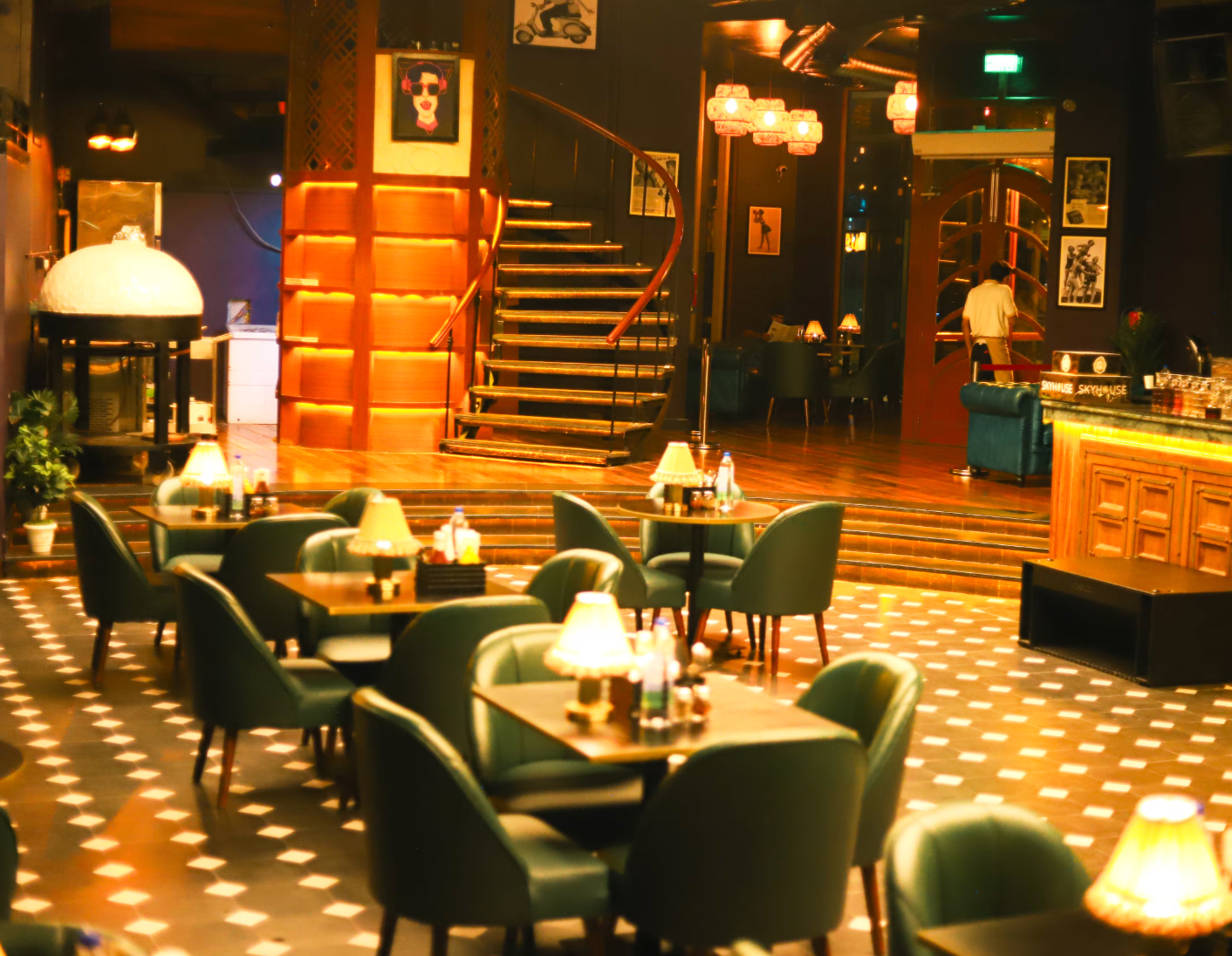

The recent launch of Suma, an Indian-Arabic fine-dining establishment in Mumbai, represents more than just another restaurant opening—it signals a significant shift in Indian consumer preferences that savvy restaurant owners can capitalize on. As restaurant business coaches with 100+ years of combined industry experience, we at RestaurantCoach.in have witnessed firsthand how culinary trends can transform local food markets.
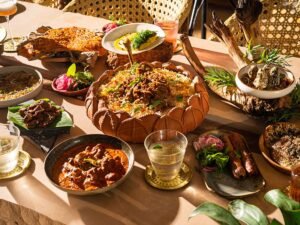
suma 1
The successful introduction of Suma, blending North Indian culinary traditions with Arabic flavors in an immersive dining experience, demonstrates the growing consumer appetite for fusion concepts that offer both familiarity and novelty. For restaurant owners across India, this trend presents substantial opportunities for differentiation and revenue growth in an increasingly competitive market.
Suma represents a strategic approach to fusion dining that goes beyond mere menu experimentation. Founded by Niketa Sharma, the restaurant intentionally blends the deep, earthy comfort of North Indian cooking with the warm, fragrant, spice-driven soul of Arabic cuisine, creating what they term “a place to experience” rather than just dine.
The concept draws inspiration from the historic Grand Trunk Road’s culinary journey, where flavors naturally intermingle across regions. Dishes where shawarmas meet seekh kebabs and hummus pairs with smoky aubergine demonstrate thoughtful integration of both culinary traditions. Beyond the food, Suma extends the fusion concept to its complete brand experience:
Cocktail Program: Their signature “Madhushala” cocktail book tribute to Indian poetic tradition
Atmosphere: Mediterranean warmth blended with Victorian detailing and Indian character
Entertainment: Regular Qawwali and Sufi Nights featuring folk artists
Design: Strategic use of arches, maroon tones, and layered lighting to enhance the thematic experience
This comprehensive approach to thematic dining aligns with what we’ve observed through our restaurant consulting work across India—today’s diners seek immersive experiences, not just meals.
The rise of Indian-Arabic fusion concepts like Suma isn’t an isolated phenomenon. This trend is gaining significant traction across India’s urban dining landscape, driven by several measurable market forces that restaurant owners can leverage.
Proven Consumer Acceptance
Middle Eastern cuisine has seamlessly integrated itself into India’s food culture, with staples like hummus, falafel, shawarma, and baklava transitioning from exotic to everyday favorites, particularly in urban areas . This established familiarity reduces the consumer education barrier for fusion concepts while maintaining enough novelty to attract curious diners.
Shared Flavor Profiles Reduce Risk
The natural compatibility between Indian and Middle Eastern cuisines makes fusion feel authentic rather than forced. Both culinary traditions emphasize:
Bold spices and aromatic herbs
Slow-cooked meat preparations
Flatbreads (naan and pita)
Plant-based proteins (legumes and lentils)
This overlap creates a familiar foundation for innovation, allowing chefs to experiment while maintaining approachability for conservative palates .
Growing Economic Incentives
According to industry analysis, India’s casual-dining market is expanding at an annual rate of 10-12%, driven largely by younger consumers seeking variety and authentic-yet-approachable experiences . Furthermore, Zomato’s 2024 Food Trends Snapshot indicates strong growth in international cuisine categories, with Middle Eastern flavors emerging as a key “comfort-meets-novelty” category for Indian diners .
This fusion trend presents unique opportunities across various food business models:
For Fine-Dining Establishments
Opportunity to command premium pricing through experiential dining
Differentiation through chef-driven creative concepts
Higher ticket averages through curated beverage pairings
For QSRs and Cloud Kitchens
Streamlined menus featuring fusion bestsellers (e.g., Shawarma Biryani, Falafel Chaat)
Potential for hybrid concepts with efficient ingredient utilization
Digital positioning as innovative yet accessible
For Cafés and Casual Dining
Introduction of fusion small plates and shareables
Thematic events (e.g., “Mezze Nights,” “Spice Route Experiences”)
Incorporation of fusion elements into existing popular dishes
Based on our experience helping restaurant owners successfully implement fusion concepts, here are seven actionable steps you can take:
Rather than completely reinventing your menu, introduce fusion elements gradually:
Add 3-5 fusion dishes to your existing menu to test reception
Create limited-time offers to gauge customer interest without commitment
Identify fusion opportunities within your current bestsellers (e.g., Za’atar Naan alongside traditional options)
We’ve helped restaurant owners at RestaurantCoach.in increase average ticket sizes by 15-25% through strategic menu additions rather than complete overhauls.
Successful fusion requires understanding which elements naturally connect both cuisines:
Spice blends: Incorporate za’atar into marinades or chaat masala into hummus
Cooking techniques: Apply slow-cooking methods from both traditions
Texture play: Combine crispy falafel with creamy Indian raita
Suma’s success stems partly from its compelling narrative around the Grand Trunk Road. Your concept should include:
Clear origin story explaining the fusion rationale
Menu descriptions that educate while enticing
Staff training to consistently communicate your concept
Modern diners seek shareable moments. Design elements that enhance both experience and social sharing:
Photogenic corners with thematic decor
Signature presentation styles for fusion dishes
Unique serveware that reflects the blended concept
Rather than relying entirely on imported ingredients, develop local alternatives:
Source authentic spices through specialty suppliers
Identify local alternatives for traditional ingredients
Build relationships with producers who can grow specific needs
Industry reports indicate that over 65% of premium restaurants now prioritize local and seasonal ingredients, a sharp increase from 42% in 2019 .
Position your fusion restaurant effectively online:
Google Business Profile optimization with fusion-specific keywords
Content marketing explaining your fusion philosophy
Targeted social media showcasing your most visually appealing fusion dishes
Your team should understand and enthusiastically represent your fusion concept:
Comprehensive training on flavor profiles and ingredients
Tasting sessions to build familiarity and confidence
Scripted talking points to consistently communicate your story
In our consulting experience across 50+ restaurant launches, we’ve observed that successful trend adoption requires more than just adding a few dishes. The most successful restaurant owners approach trends like Indian-Arabic fusion with strategic intentionality.
Focus on Sustainable Differentiation
While fusion trends offer short-term novelty, long-term success comes from integrating these elements into your core identity. We guide our coaching clients at RestaurantCoach.in to evaluate trends through three filters:
Alignment with existing operations and kitchen capabilities
Authentic connection to your restaurant’s established identity
Scalable implementation that doesn’t compromise consistency
Balance Innovation and Accessibility
The most profitable fusion concepts maintain approachability while offering novelty. As one industry expert noted, “Popularity grows when a cuisine feels comforting and familiar” . This is why we emphasize gradual implementation in our restaurant coaching programs—test, measure, and expand based on data rather than assumptions.
Build on Growing But Established Trends
Indian-Middle Eastern fusion represents an ideal balance of novelty and familiarity. As Vinesh Gupta, General Manager of The Den, explains: “We first got to know Middle Eastern food through rolls, shawarmas, kibbeh, and kebabs, all of which felt close to Indian tastes. But diners today are ready for more” . This established foundation reduces the risk of consumer rejection while allowing for creative expression.
The success of concepts like Suma demonstrates several important developments in India’s dining landscape:
Experiential dining is accelerating – Customers increasingly seek immersive experiences beyond food
Fusion requires authenticity – Successful concepts have logical connections between culinary traditions
Storytelling drives premium positioning – Concepts with compelling narratives can command higher prices
Gradual implementation reduces risk – Test fusion elements before full commitment
The Indian-Arabic fusion trend represents a significant opportunity for restaurant owners to differentiate their concepts, attract new customer segments, and increase profitability through strategic innovation.
Navigating culinary trends while maintaining operational excellence requires careful planning and execution. At RestaurantCoach.in, we’ve helped dozens of restaurant owners successfully implement fusion concepts without compromising their core operations or brand identity.
Our comprehensive restaurant coaching programs provide:
Concept development and validation specifically for fusion concepts
Menu engineering that balances innovation and accessibility
Operational planning for efficient execution
Marketing strategies to effectively position your fusion concept
Ready to explore how Indian-Arabic fusion can transform your restaurant business? Our restaurant coaching programs at RestaurantCoach.in help food entrepreneurs build profitable, sustainable businesses. Contact us today to schedule a complimentary consultation and transform your restaurant vision into reality.
The Indian food and beverage (F&B) industry is buzzing with news that has significant implications…
Maharashtra PNG Supply Hike: A Restaurant Coach’s Guide to Relief and Resilience For restaurant owners…
The Fast-Food Diabetes Link: What Telangana’s Health Warning Means for Your Restaurant’s Future As a…
As restaurant business coaches in India, we at RestaurantCoach.in spend a lot of time in commercial kitchens.…

Founded in 2015 by seasoned restaurant professionals who understood the challenges faced by food entrepreneurs in India, Restaurant Coach began as a vision to democratize restaurant success.

Founded in 2015 by seasoned restaurant professionals who understood the challenges faced by food entrepreneurs in India, Restaurant Coach began as a vision to democratize restaurant success. After witnessing countless talented chefs and passionate food lovers struggle with business aspects of restaurant operations, our founders decided to bridge the gap between culinary passion and business acumen.